How to Set Up Golf Putting Practice Sets
Building an effective putting practice area at home can dramatically improve your golf performance. According to data from the United States Golf Association, nearly 40% of all golf strokes occur on the putting green. Additionally, amateur golfers who practice putting consistently often reduce their scores faster than players focusing solely on driving distance. Learning golf putting practice sets setup techniques helps create realistic training sessions that develop accuracy, distance control, and confidence. This guide explains how to create an effective putting practice setup in the USA using practical methods and proven strategies.
Why a Proper Golf Putting Practice Setup Matters
Putting determines the outcome of most golf rounds. Therefore, creating a structured practice environment improves consistency and builds muscle memory.
Many golfers purchase practice equipment but fail to arrange it correctly. As a result, they miss valuable opportunities to improve essential skills.
A properly designed putting setup allows you to practice alignment, speed control, green reading, and stroke mechanics efficiently.
Choose the Right Location for Your Putting Practice Area
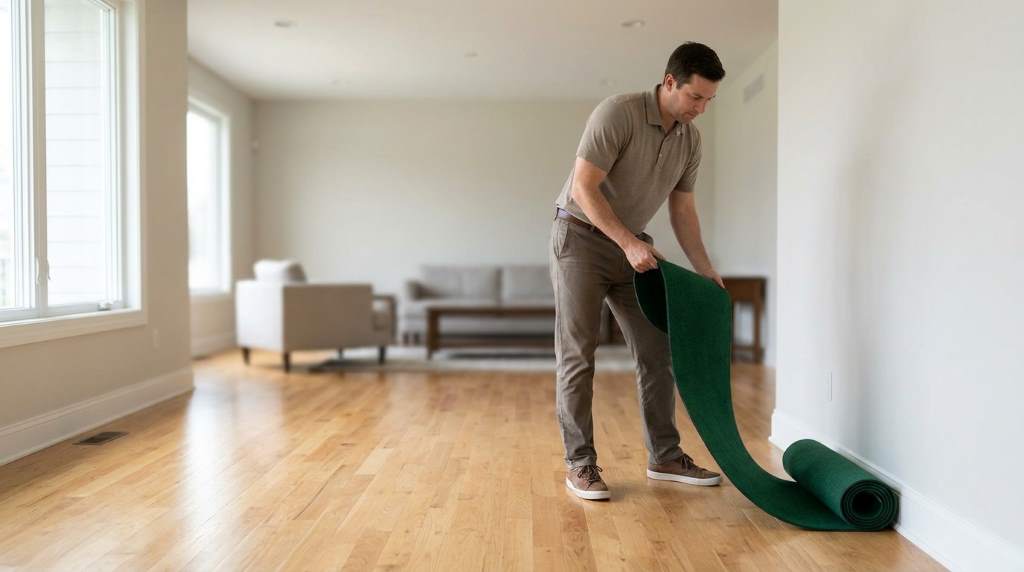
The first step involves selecting an appropriate practice location. Fortunately, golfers can create putting areas indoors or outdoors.
Indoor Putting Areas
Indoor setups provide year round accessibility and weather protection. Moreover, they require less maintenance than outdoor practice greens.
- Living rooms
- Basements
- Home offices
- Garages
- Recreation rooms
Select a flat surface with enough space for different putting distances. Additionally, ensure adequate lighting for visibility.
Outdoor Putting Areas
Outdoor practice areas create a more realistic golf experience. Consequently, many serious golfers prefer backyard installations.
- Backyards
- Patios
- Deck spaces
- Garden areas
- Driveways with portable mats
Always choose a location with minimal distractions. Furthermore, verify that the surface remains stable throughout the year.
Select the Best Putting Mat
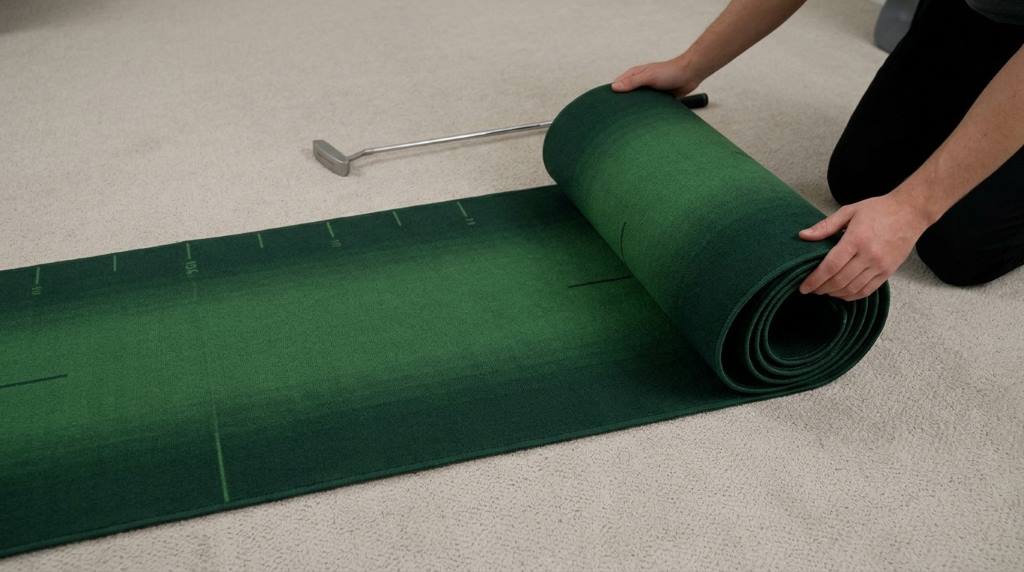
The putting mat serves as the foundation of your practice setup. Therefore, selecting the right model significantly impacts performance improvement.
Look for mats that simulate realistic green speeds. Additionally, prioritize durable materials and accurate roll characteristics.
Important Features to Consider
- Realistic green speed
- Alignment guides
- Distance markings
- Non slip backing
- Easy storage capability
High quality mats provide consistent ball roll. Consequently, your practice sessions become more effective and measurable.
Position Your Practice Cup Correctly
Proper cup placement creates realistic practice conditions. Therefore, avoid placing targets randomly on the putting surface.
Start by positioning the cup approximately six feet away. Then gradually increase the distance as accuracy improves.
Many golfers benefit from using multiple cup locations. As a result, they develop stronger distance control and directional consistency.
Add Alignment Training Tools
Alignment errors cause many missed putts. Therefore, incorporating alignment aids helps correct common mistakes quickly.
Alignment sticks remain one of the most affordable training tools. Moreover, they provide immediate visual feedback.
Useful Alignment Tools
- Alignment sticks
- Laser guides
- Putting mirrors
- String lines
- Gate training systems
Practice with these tools regularly. Consequently, your putting stroke becomes more repeatable and accurate.
Create Variable Distance Stations
Successful putting depends heavily on distance control. Therefore, your setup should include multiple practice stations.
Arrange markers at different distances to simulate real course conditions. Additionally, rotate stations during each practice session.
Recommended Distances
- Three feet
- Six feet
- Ten feet
- Fifteen feet
- Twenty feet
This approach improves feel and speed management. As a result, golfers often reduce three putts significantly.
Simulate Different Green Conditions
Golf courses throughout the USA feature varying green speeds and slopes. Therefore, adding environmental variation enhances practice effectiveness.
Use adjustable ramps or elevation blocks to create breaking putts. Additionally, vary practice speeds throughout the session.
Practicing multiple conditions develops adaptability. Consequently, players feel more comfortable during competitive rounds.
Install Proper Lighting
Lighting affects visual perception during putting practice. Therefore, proper illumination remains essential for indoor setups.
Bright, evenly distributed lighting reduces shadows and improves focus. Moreover, quality lighting helps identify alignment issues.
Recommended Lighting Features
- LED overhead lighting
- Adjustable brightness
- Minimal glare
- Even coverage
- Natural color temperature
Good visibility creates more accurate practice sessions. Consequently, performance improvements become easier to measure.
Use Technology to Improve Results
Modern golf technology provides valuable performance feedback. Therefore, incorporating digital tools enhances training efficiency.
Several smartphone applications track putting accuracy and consistency. Additionally, launch monitors now include putting analysis features.
Helpful Technology Options
- Putting analysis apps
- Digital stroke trackers
- Launch monitors
- Video recording systems
- Smart putting mats
Data driven practice identifies weaknesses faster. As a result, golfers achieve measurable improvement more efficiently.
Develop a Structured Practice Routine
Even the best setup becomes ineffective without a clear routine. Therefore, create a consistent practice schedule.
Begin each session with short putts to build confidence. Then progress toward longer distance challenges.
Sample Practice Session
- Five minutes of short putts
- Ten minutes of distance control
- Ten minutes of alignment drills
- Five minutes of pressure putting
Consistent repetition builds confidence and muscle memory. Consequently, performance improvements become sustainable.
Avoid Common Putting Practice Mistakes
Many golfers unknowingly reduce practice effectiveness through poor habits. Therefore, identifying these mistakes is essential.
- Practicing only short putts
- Ignoring alignment fundamentals
- Using unrealistic surfaces
- Skipping routine practice
- Practicing without goals
Correcting these mistakes improves efficiency immediately. Additionally, practice sessions become more enjoyable.
Create a Competitive Practice Environment
Pressure simulation improves on course performance significantly. Therefore, add competitive elements to your practice sessions.
Create scoring games and performance challenges. Furthermore, track your progress over time.
Competitive Practice Ideas
- Ten putts in a row challenge
- Around the clock drills
- Distance ladder competitions
- One ball pressure practice
- Personal record challenges
Competitive training builds mental toughness. Consequently, golfers perform better during actual rounds.
Maintain Your Putting Practice Equipment
Proper maintenance preserves performance and extends equipment lifespan. Therefore, inspect your setup regularly.
Clean putting mats frequently and store portable equipment correctly. Additionally, replace worn components when necessary.
Maintained equipment produces consistent practice conditions. As a result, your training remains effective throughout the year.
Conclusion
Learning how to set up golf putting practice sets correctly creates meaningful opportunities for improvement. A thoughtful setup combines quality equipment, structured practice routines, and realistic training conditions.
Start with a simple practice area and gradually add advanced features. By practicing consistently, golfers throughout the USA can lower scores and build greater confidence on the course.
FAQs
How much space do I need for a golf putting practice setup?
Most home putting setups require at least eight to ten feet of space.
Can I practice putting effectively indoors?
Yes, indoor putting practice can significantly improve accuracy and consistency.
How often should I practice putting?
Practicing three to five times weekly produces the best results.
What is the ideal putting mat speed?
A stimp rating between ten and twelve provides realistic practice conditions.
Should beginners use alignment aids?
Yes, alignment aids help beginners develop proper putting mechanics faster.