Best Laptop For Golf Simulator: Budget Beasts That Actually Work
Golf simulators used to require expensive desktop setups and dedicated gaming rigs. That is no longer the case. Modern laptops now deliver enough graphics power and processing speed to run launch monitor software and simulation environments smoothly.
According to research from the National Golf Foundation, more than 6.2 million people used golf simulators in the United States in 2023. At the same time, studies from Purdue University show that real time simulation environments require strong GPU acceleration and consistent CPU performance to maintain stable physics calculations.
That combination matters more than most buyers expect. A laptop for a golf simulator must process swing data, render courses, and keep frame rates stable without overheating or lagging.
The best laptop For golf simulators below represent a practical range of machines that actually work in real simulator environments. Some prioritize raw graphics performance. Others focus on portability or everyday usability.
A Quick Overview of The Best Best Laptop For Golf Simulator
These best laptop For golf simulators offer enough processing power and graphics capability to run modern golf simulator software while remaining practical for everyday use.
- MSI Thin 15 Gaming Laptop
- Acer Nitro V Gaming Laptop
- HP 15 Touchscreen Laptop
- HP Business Laptop Computer Bundle
- Apple MacBook Air 15 inch with Apple Silicon
- Apple MacBook Air 13 inch with Apple Silicon
- ASUS ROG Strix Gaming Laptop with Nebula Display
- ASUS ROG Strix G16 Gaming Laptop
Best Best Laptop For Golf Simulator of 2026
A golf simulator setup places unusual demands on a laptop. It must handle real time physics calculations, graphics rendering, and sensor data simultaneously. The following models handle those workloads reliably while still remaining practical for normal daily use.
MSI Thin 15 15.6 inch 144Hz Gaming Laptop
Balanced performance for simulator software
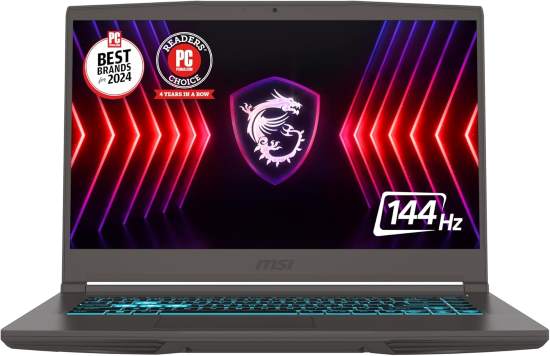
The MSI Thin 15 feels purpose built for simulation workloads. It combines a capable Intel Core i7 processor with RTX level graphics that handle modern golf simulation engines without noticeable frame drops.
The 15.6 inch display runs at 144Hz, which helps motion look smoother when watching swing replays or ball flight paths. The screen size also works well when positioned next to a simulator projection screen or launch monitor setup.
During extended sessions, the cooling system holds up reasonably well. The laptop gets warm under load but rarely reaches the throttling levels common in thinner gaming machines.
This model works well for golfers who want reliable performance for software like GSPro or E6 Connect while still keeping a portable system for everyday tasks.
It may not be ideal for buyers who want ultra quiet operation since the fans become noticeable during heavy GPU use.
User Review
Daniel R.
“I built a garage simulator this winter and needed a laptop that could handle the graphics. The MSI Thin surprised me. Ball flight animation stays smooth and the laptop never crashes during sessions. The fans get loud sometimes but performance stays steady.”
Key Features
• Graphics Power: RTX class graphics handles 3D course rendering smoothly in most simulator programs.
• Display Clarity: 144Hz panel keeps ball flight and swing replay animations fluid.
• Cooling System: Dual fan cooling prevents major slowdowns during long sessions.
• Storage Speed: NVMe SSD loads simulator courses quickly.
• Wireless Connectivity: WiFi 6E provides stable connections for cloud based course libraries.
• Keyboard Layout: Full keyboard helps with simulator software shortcuts.
Pros and Cons
| Pros | Cons |
| Strong graphics for simulation | Fans audible under load |
| Smooth high refresh display | Battery life fairly short |
| Good balance of power | Plastic chassis feels basic |
HP 15 fc0499nr Touchscreen Laptop
Simple everyday simulator starter
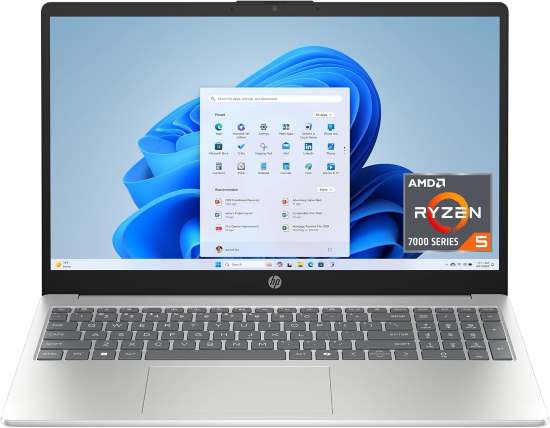
Not every golfer needs a gaming laptop. The HP 15 touchscreen focuses more on everyday computing with light simulator compatibility.
The AMD processor handles basic launch monitor software and lighter simulation programs that rely more on CPU processing than heavy graphics rendering.
The touchscreen display makes navigation easy when adjusting settings or reviewing shot data. For small home setups this interaction can feel more natural than using a mouse across the room.
However the integrated graphics limit its ability to run complex 3D course environments. Buyers planning to run advanced simulator software may find performance constraints.
This laptop suits golfers who mainly want to analyze swing metrics rather than explore highly detailed virtual courses.
User Review
Eric P.
“I use it mostly with a launch monitor for swing data and practice sessions. It works fine for that. I would not try running the most demanding simulation graphics though.”
Key Features
• Touchscreen Interface: Direct interaction simplifies software navigation.
• Lightweight Design: Easy to move between rooms or practice areas.
• Quiet Operation: Minimal fan noise during standard use.
• Fast Boot Times: SSD storage launches software quickly.
• Comfortable Keyboard: Suitable for daily work tasks.
• Energy Efficiency: Lower power components reduce heat buildup.
Pros and Cons
| Pros | Cons |
| Simple user friendly design | Limited graphics performance |
| Quiet during normal use | Smaller internal storage |
| Portable lightweight build | Not suited for heavy simulation |
HP Business Laptop Computer Bundle
Practical multi purpose workstation
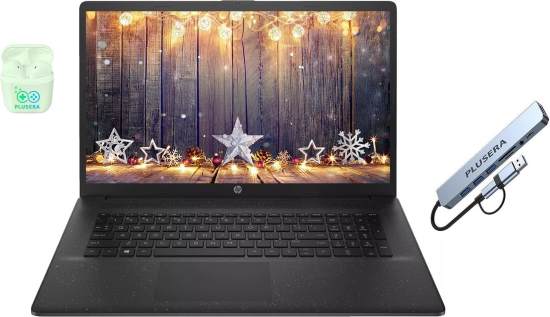
This HP business bundle focuses more on reliability and productivity than gaming performance. Still, it can support entry level simulator setups that emphasize shot data analysis rather than detailed virtual environments.
The included productivity software and accessories make it useful beyond the simulator space. Many golfers appreciate having a single laptop for work tasks and practice sessions.
The system runs efficiently for spreadsheets, launch monitor data analysis, and video swing review.
However advanced course simulation programs may push the system beyond its graphics capabilities.
This laptop suits golfers who primarily use simulators for swing feedback and training metrics.
User Review
Robert H.
“I review my swing videos and launch monitor data on this laptop after practice. It works well for analysis even though it is not a gaming machine.”
Key Features
• Productivity Focus: Suitable for work and simulator analysis tasks.
• Included Accessories: Bundle simplifies initial setup.
• Stable Operating System: Windows platform supports most golf software.
• Lightweight Construction: Easy to transport to practice spaces.
• Quiet Cooling: Low fan noise during everyday use.
• Simple Maintenance: Accessible storage upgrades.
Pros and Cons
| Pros | Cons |
| Good for analysis tasks | Limited graphics capability |
| Useful bundle accessories | Not built for gaming |
| Reliable daily performance | Display refresh rate basic |
Apple MacBook Air 15 inch with Apple Silicon
Large display portable performance
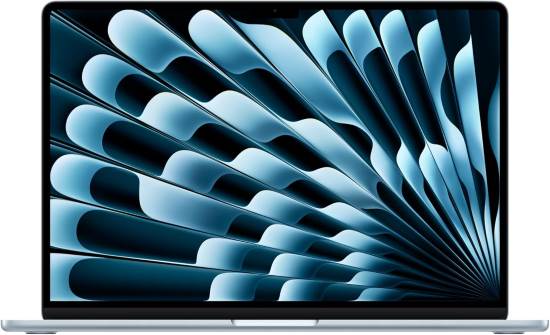
The 15 inch MacBook Air offers a different approach to simulator computing. Instead of dedicated graphics hardware, it relies on Apple Silicon to handle both processing and graphics tasks efficiently.
The large Retina display makes shot tracking and swing replay comfortable to view. Colors appear accurate and text remains crisp when reviewing shot data.
For simulator users who rely on Mac compatible software, the laptop performs surprisingly well. Apple Silicon handles graphics workloads efficiently without requiring aggressive cooling.
However compatibility remains the biggest limitation. Many golf simulator platforms still prioritize Windows systems.
Golfers already using Mac software ecosystems may appreciate the portability and battery efficiency of this machine.
User Review
Nathan S.
“I run a Mac friendly simulator program and it works smoothly. The screen looks fantastic when reviewing swing recordings.”
Key Features
• Display Quality: Large Retina screen improves visual clarity.
• Energy Efficiency: Apple Silicon provides long battery life.
• Quiet Operation: Fanless design eliminates noise.
• Build Quality: Aluminum body feels solid and durable.
• Portability: Thin design fits easily into golf bags.
• System Stability: macOS runs smoothly for compatible software.
Pros and Cons
| Pros | Cons |
| Beautiful high resolution display | Limited simulator compatibility |
| Extremely quiet operation | Fewer gaming style graphics options |
| Lightweight premium build | Fewer upgrade options |
Apple MacBook Air 13 inch with Apple Silicon
Ultra portable simulator companion
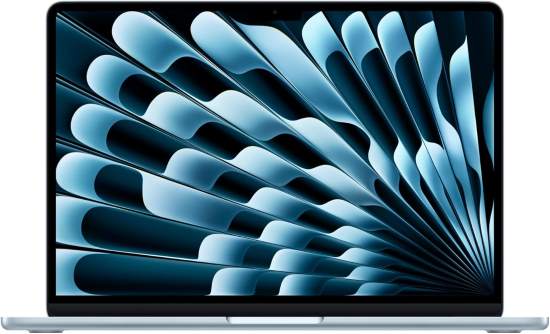
The 13 inch MacBook Air delivers similar Apple Silicon performance in a smaller footprint. For golfers with compact simulator spaces, this portability can be surprisingly useful.
The laptop feels incredibly light and easy to move around a garage or indoor hitting bay. Despite its size, it handles moderate simulation workloads without overheating.
The display remains sharp, though the smaller size makes detailed course visuals slightly less immersive than the larger 15 inch version.
Battery life stands out during extended practice sessions. Many users run the laptop for hours without needing a charger.
It suits golfers who value portability and simple simulator setups rather than maximum graphics performance.
User Review
Kevin M.
“I keep it next to my hitting mat and connect to a small monitor. The laptop itself stays cool and handles my simulator software reliably.”
Key Features
• Compact Size: Easy placement in tight simulator areas.
• Efficient Processing: Apple Silicon handles graphics smoothly.
• Long Battery Life: Supports extended practice sessions.
• Silent Operation: No fan noise during use.
• Premium Materials: Durable aluminum construction.
• Quick Startup: Instant wake for fast practice sessions.
Pros and Cons
| Pros | Cons |
| Extremely portable design | Smaller display size |
| Silent fanless operation | Limited simulator compatibility |
| Excellent battery endurance | Few hardware upgrades |
ASUS ROG Strix Gaming Laptop with Nebula Display
High performance simulator powerhouse
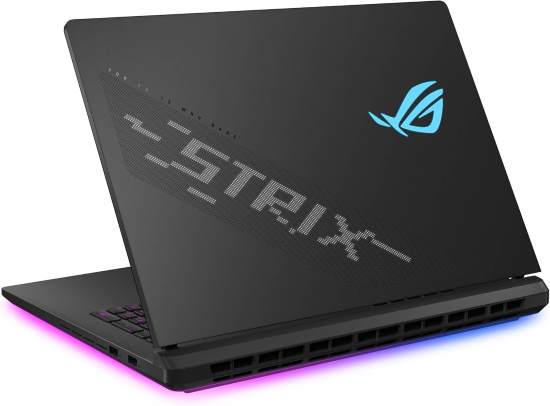
The ROG Strix series targets serious gamers and that power translates perfectly into demanding golf simulation environments.
The Nebula display stands out immediately. Colors appear vibrant and motion looks incredibly smooth during ball flight animations.
In real use the laptop handles heavy simulation software without hesitation. Large 3D courses render smoothly and swing playback remains fluid.
The keyboard and chassis feel extremely sturdy. This durability helps when placing the laptop near hitting areas where vibration can occur.
The only trade off comes from size and weight. This machine favors performance over portability.
User Review
Chris D.
“My simulator runs ultra graphics settings now. The course visuals look incredible and the laptop never struggles.”
Key Features
• High End Graphics: Handles complex simulator rendering easily.
• Nebula Display: Excellent motion clarity and color accuracy.
• Advanced Cooling: Maintains consistent performance.
• Durable Build: Strong chassis withstands heavy use.
• Fast Storage: Rapid loading of simulation environments.
• Keyboard Precision: Comfortable controls during long sessions.
Pros and Cons
| Pros | Cons |
| Excellent graphics performance | Larger heavier laptop |
| Beautiful high quality display | Fans noticeable during gaming |
| Reliable sustained performance | Less portable design |
ASUS ROG Strix G16 Gaming Laptop
Professional level simulation performance
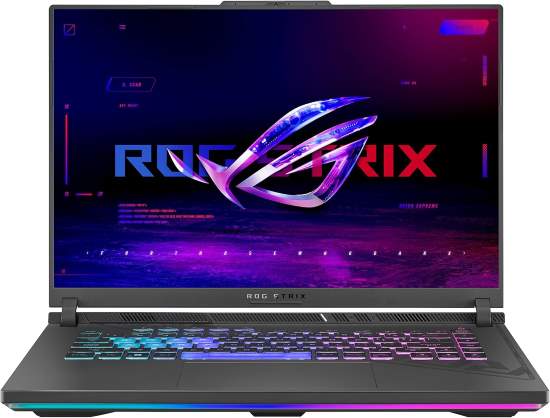
The ROG Strix G16 represents one of the strongest laptop options for golf simulator enthusiasts who want desktop level power in a portable format.
Its RTX graphics and high performance Intel processor handle demanding simulator engines easily. Ball flight physics calculations remain smooth even on complex courses.
The 165Hz display enhances the realism of simulated environments. Motion appears fluid and clear when tracking shots or reviewing swings.
Cooling remains effective even during extended sessions. The system distributes heat efficiently, reducing the risk of performance drops.
This laptop suits golfers who want maximum visual quality from their simulator software without building a dedicated desktop computer.
User Review
Alex B.
“I upgraded from a basic laptop and the difference is huge. The simulator feels more realistic because everything runs smoothly.”
Key Features
• Advanced GPU: RTX graphics handles detailed simulation environments.
• High Performance CPU: Strong processing power for physics calculations.
• Smooth Display: 165Hz refresh improves motion clarity.
• Efficient Cooling: Maintains stable long session performance.
• Large Storage Capacity: Stores multiple simulator course packs.
• Durable Build: Solid design handles heavy daily use.
Pros and Cons
| Pros | Cons |
| Desktop class simulation performance | Heavier travel weight |
| Smooth high refresh display | Premium gaming design |
| Reliable cooling system | Short battery during gaming |
Related:
Best Affordable Golf Practice Mats 2026: Simulator, Chipping & All-Weather Picks
Best Outdoor Golf Launch Monitor 2026: Tested and Ranked
Buying Guide
Choosing the best laptop for golf simulatorrequires a different mindset than buying a general purpose computer. Simulation software combines graphics rendering, physics modeling, and real time sensor input. Each component stresses the hardware in different ways.
Understanding how those requirements translate into laptop design helps buyers avoid common mistakes.
What Actually Matters Before Choosing
Core Performance Factors
Golf simulator software relies heavily on both CPU and GPU resources. The processor calculates ball physics, swing metrics, and trajectory predictions while the graphics card renders the virtual course environment.
Many buyers assume that processor speed alone determines performance. In reality, weak graphics hardware causes the most noticeable issues such as choppy ball flight animation or lag when loading courses.
A balanced system with strong graphics processing usually produces smoother simulations and more accurate visual feedback.
Material Quality and Long Term Durability
Simulators often run in garages, basements, or practice rooms where dust and temperature variation are common.
Laptop construction therefore matters more than buyers expect. Aluminum chassis designs resist flexing and vibration better than thin plastic bodies.
Durable hinges also matter because simulator setups often require adjusting screen angles to match viewing positions near hitting mats.
Over time, sturdier materials reduce wear and help the laptop maintain consistent cooling performance.
Comfort and Usability
Golf simulators require frequent adjustments to settings, player profiles, and shot analysis tools.
Large displays improve readability when standing several feet away. High refresh rate screens also improve motion clarity when reviewing swing footage.
Keyboard placement matters as well. Users frequently enter shot data or switch between simulation modes during practice sessions.
Systems with comfortable keyboard layouts reduce frustration during longer practice periods.
Maintenance and Long Term Ownership Effort
Gaming laptops often include complex cooling systems that collect dust over time. Without occasional cleaning, airflow becomes restricted and performance may drop.
Buyers sometimes overlook this maintenance requirement. Choosing a laptop with accessible vents and simple internal layouts makes periodic cleaning easier.
Fast storage also plays a role in long term satisfaction because simulator course libraries can grow quite large.
Environmental and Situational Compatibility
Simulator setups vary widely. Some golfers build permanent indoor studios while others practice in shared spaces like garages.
Portable laptops make it easier to move the system between rooms. Larger gaming laptops offer more performance but may feel bulky in smaller setups.
Understanding the physical layout of the simulator area helps determine the best balance between portability and power.
Safety Considerations
Although laptops sit outside the hitting zone, they still operate near swinging clubs and high speed balls.
Stable placement reduces the risk of accidental damage. Many golfers position the laptop on side tables or shelves slightly behind the hitting area.
Machines with solid build quality tolerate vibration better than extremely thin ultrabooks.
Common Buyer Mistakes
Many buyers assume any modern laptop can run simulator software smoothly. In reality, integrated graphics often struggle with detailed 3D course rendering. Evaluating GPU capability prevents frustration later.
Another common mistake involves focusing only on screen size. While larger displays help visibility, they do not compensate for weak graphics performance.
Buyers also underestimate cooling requirements. Simulation software can run for hours during practice sessions, so poor cooling leads to thermal throttling and inconsistent frame rates.
Another misunderstanding involves operating system compatibility. Some golf simulator programs still work best on Windows platforms. Checking software support before buying prevents compatibility issues.
Finally, some buyers prioritize extreme portability even when their simulator remains stationary. In many setups, stronger performance benefits practice sessions more than ultra thin designs.
How to Match Products to Specific Needs
Casual Practice Users
Golfers who mainly analyze swing data or launch monitor metrics can use simpler laptops with moderate processors and integrated graphics. These systems focus more on efficiency than heavy graphics rendering.
Frequent Simulator Users
Golfers practicing multiple times per week benefit from stronger gaming laptops with dedicated graphics cards. These machines maintain smoother visuals and handle detailed course environments.
Small Spaces or Portable Setups
Compact ultrabooks and lightweight laptops suit golfers who move their simulator equipment between rooms or storage spaces. These systems prioritize mobility and ease of placement.
Budget Conscious Long Term Buyers
Balanced gaming laptops often provide the best value because they handle simulator workloads today while remaining capable of future software updates.
Advanced Simulator Enthusiasts
Users who want highly detailed course visuals and smooth motion should prioritize powerful graphics hardware and higher refresh rate displays.
Conclusion
A golf simulator depends heavily on stable processing power and capable graphics hardware. The right laptop makes practice sessions smoother, more realistic, and far less frustrating.
Some golfers will prefer portable machines like the MacBook Air for lightweight setups. Others will benefit more from gaming laptops such as the ASUS ROG or Acer Nitro series that deliver stronger graphics performance.
The best laptop for golf simulator ultimately depends on how often the simulator runs, which software it uses, and how much visual detail the user expects.
Understanding those factors makes it much easier to select a laptop that supports long term practice rather than limiting it.
FAQs
Can a regular laptop run golf simulator software
Some basic programs run on regular laptops but advanced simulations usually require stronger graphics hardware.
Do golf simulators need gaming laptops
Many modern simulator programs benefit from gaming laptops because they include dedicated graphics processors.
Is a MacBook good for golf simulators
MacBooks work well for compatible software but some simulator platforms still prioritize Windows systems.
How much RAM is needed for golf simulation
Most modern simulator software runs comfortably with at least 16GB of memory.
Does screen refresh rate matter for simulators
Higher refresh rates improve motion clarity when watching ball flight and swing replay animations.