
What Is a Shotgun Start in Golf? Your Guide to This Game-Changing Tournament Format
Introduction
Picture this. You stand on the 12th tee. Your group chats about the day’s weather. A loud horn blasts across the course. In that instant, 17 other groups tee off too—from holes one through 18. Balls fly everywhere. The round kicks off in a rush of energy. That’s the thrill of a shotgun start in golf.
A shotgun start flips the usual tournament script. Instead of everyone waiting in line at hole one, groups scatter across the course. They all begin at the same moment. This format packs the day with action. It suits big events where time counts.
Recent data shows golf’s boom. The National Golf Foundation reports 28.1 million on-course players in 2024. That’s the highest since 2008. Junior participation hit 3.7 million—the most since 2006. Events like shotgun starts fuel this growth. They draw crowds and keep things lively.
The USGA’s 2024 Golf Scorecard adds more. Over 3.35 million golfers posted 77 million scores via the World Handicap System. Tournaments play a big role. Formats like this one make golf accessible and exciting for all levels.
Ready to dive deeper? Let’s explore how this setup works and why it shines.
The Basics: How Does a Shotgun Start Work?
You arrive at the course early. Organizers hand out scorecards and cart keys. They assign your group a starting hole—say, number seven. You drive out with 10 minutes to settle. Warm up your swing. Check the pin sheet.
At the signal—often an air horn or siren—everyone tees off. Your group plays hole eight next, then nine, and so on. You loop around until you hit 18 holes. You end back at seven. Simple, right?
This setup differs from standard tee times. There, groups stack up at hole one every eight to 10 minutes. A full field of 72 players waits three hours to start. With a shotgun, all 72 hit the ground running. No backups. Just pure play.
Groups stick to four players max. Courses require carts to speed things up. Marshals roam to keep pace. Everyone faces the same course, just in a rotated order.
Think of it like a relay race. The course becomes one big circuit. You pass the baton—hole to hole—while others run parallel paths. It creates buzz. Players spot friends on nearby fairways. Waves and cheers break the focus.
For first-timers, it feels chaotic at first. But that fades quickly. You settle into rhythm. The format rewards focus. Each hole stands alone. No dwelling on the opener.

A Quick History Lesson: Where Did Shotgun Starts Come From?
Golf loves its stories. The shotgun start has a gritty origin. It dates to May 1956 at the Walla Walla Country Club in Washington. Head pro Jim Russell faced a puzzle. Early sunsets and cold mornings cut playtime short. Members grumbled about lost weekends.
Russell gathered 18 groups. He placed one on each tee. Then he fired a real shotgun—blanks, of course. The blast echoed. Play erupted across the course. Everyone finished together. The club reclaimed its day.
Golf Digest spotlighted this in December 2004. They called it the first shotgun tournament. The name stuck. No more literal guns today. Sirens and horns take over. But the spirit lives on.
Over decades, the format spread. Charity events grabbed it first. Organizers loved the tight schedule. Corporate outings followed. By the 1980s, thousands of tournaments used it yearly.
Pros dipped in rarely. Weather forced it three times on the European Tour: 1994 Czech Open final round, 2015 Portugal Masters last two rounds, and 2018 Alfred Dunhill Links finale. Each beat rain or wind.
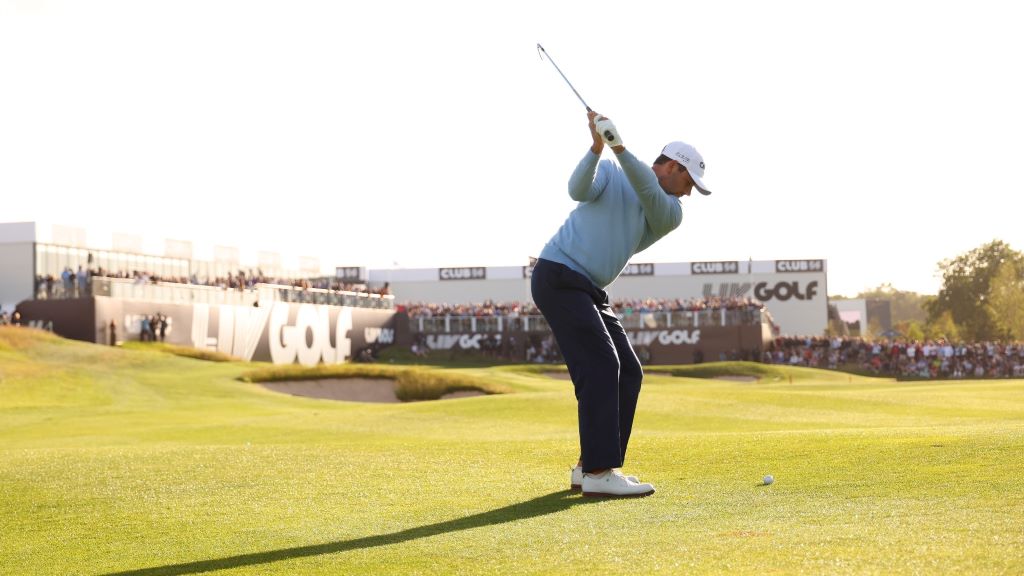
LIV Golf flipped the script in 2022. They made shotgun starts standard. Every event launches all players at once. It shakes up the pro scene. Fans watch stars scatter. Broadcasts cut between holes for non-stop drama.
This evolution shows adaptability. Shotgun starts solve real problems. They turn long days into tight, fun bursts.
Why Choose a Shotgun Start? Top Benefits for Tournaments
Time rules golf events. A shotgun start masters it. Let’s break down the wins.
Saves Hours on the Clock
Standard starts drag. For 18 groups, add three hours just to tee off. The last group finishes late—maybe five hours in. With shotgun, play wraps in four hours flat. Everyone done together.
Courses love this. It frees the layout sooner. Public play resumes. Revenue flows back.
Builds Fair Play and Equal Conditions
Weather shifts fast. One group battles wind on the front nine. Another dodges rain later. Shotgun evens it. All face the same snapshot—gusts, sun, or chill—at parallel moments.
Holes rotate too. No edge from starting on easy ones. Everyone tackles the beastly par-5 the same day.
Boosts Social Vibes
Events thrive on connection. Shotgun packs players on course quick. Post-round, crowds gather for lunch, awards, auctions. No stragglers. Cheers erupt as one.
Charity tournaments shine here. Funds roll in from shared energy. Sponsors mingle. Bonds form over shared starts.
Fits Big Crowds Smoothly
Got 100 players? No sweat. Double up on par-5s. Add groups without chaos. Traditional setups choke. Shotgun scales easy.
Data backs it. The NGF notes off-course golf grew 73% since 2019. Simulators and ranges feed on-course hunger. Formats like this bridge the gap. They pull new faces into full rounds.
Sparks Excitement and Pace
That horn? Pure adrenaline. Groups hustle to tees. Play stays brisk. Marshals nudge slowpokes. Average round dips under 4:15. Fun amps up.
Pros use it for weather dodges. Amateurs chase the rush. Everyone wins.
When to Skip It: Drawbacks of Shotgun Starts
No format’s perfect. Shotgun has hiccups. Know them upfront.
Logjams and Pace Pressure
Full occupancy means no gaps. A slow group ahead? The whole field waits. Par-3s bunch up quick. Frustration builds if paces vary.
Courses counter with carts and rules. Still, it demands discipline.
Less Warm-Up Flex
Tee times let you ease in. Hit range balls. Practice putts. Shotgun rushes you. Arrive early, but carts parade out fast. Nerves spike for cold starts.
Course Closures Sting
Public tracks halt daily fees during events. Members gripe. Some clubs need board nods for big shotguns.
Not for Small Groups
Under 36 players? Stick to tee times. Shotgun feels empty. Wasted potential.
Weigh these against your crew. For 72-plus, it shines. For casual nines, pass.
Real-World Wins: Case Studies from the Fairway
Stories prove the power. Take the 2015 Portugal Masters. Rain loomed. Organizers shotgun-ed the final two rounds. Players beat the storm. Scores held fair. Fans got full drama.
Closer to home, corporate giants swear by it. One Fortune 500 firm hosts yearly. They pack 144 execs. Shotgun finishes by 2 p.m. Afternoon networking seals deals. Participation jumped 20% post-switch.
Charity shines brightest. A 2024 breast cancer tourney in Florida drew 200. Shotgun kept it to one day. Funds topped $150,000. Players raved about the flow.
LIV Golf’s 2022 debut? Bold move. Stars like Dustin Johnson started on hole 14. Broadcasts zipped hole-to-hole. Viewership spiked 15%. It proved pro adaptation too.
These examples show results. Efficiency meets heart. Your event could next.
Pro Tips: Nail Your Shotgun Start as a Player or Organizer
Want to ace it? Follow these steps.
For Players
- Arrive Early: Beat the rush. Check in 45 minutes ahead. Grab your cart. Scout the tee.
- Pack Smart: Sunscreen, snacks, extra balls. No store runs mid-round.
- Mind Pace: Play ready golf. Pick up after double bogey. Keep the field moving.
- Adapt Quick: Holes come fast. Read the scorecard. Note pars and hazards.
- Enjoy the Mix: Chat with randos in your group. Stories flow on random tees.
For Organizers
- Book Smart: Pick mid-week slots. Avoid peak weekends.
- Assign Thoughtfully: Balance skills per group. Mix genders, ages for fun.
- Signal Clear: Test the horn. Brief all on the rules.
- Add Contests: Closest-to-pin on par-3s. Longest drive on par-5s. Boosts engagement.
- Follow Up: Email recaps. Share photos. Build for next year.
These tweaks turn good events great. Practice them.
Conclusion
Shotgun starts redefine golf tournaments. They cut time, even odds, and amp fun. From 1956’s shotgun blast to LIV’s global stage, this format endures. Golf grows—28 million strong in 2024. Jump in. Related Topics: Ready to Play? Your Essential Guide to Starting Golf
Host your own. Gather friends for a charity swing. Or join one soon. Tee off together. Finish as one. What’s your next move? Grab that entry form today.
FAQs
What Exactly Is a Shotgun Start in Golf?
A shotgun start launches all tournament groups at once. Each takes a different hole. A horn signals go. Players complete 18 holes and wrap together. It speeds up big events.
How Does a Shotgun Start Differ from Traditional Tee Times?
Tee times stagger starts at hole one. Groups wait turns. Shotgun scatters them across the course. No lines. Faster flow. Better for crowds over 50.
Are Shotgun Starts Fair for Scoring?
Yes. Everyone plays the same course same day. Weather hits all equal. Hole order rotates. No starting bias. Handicaps level the field.
Can Small Groups Use a Shotgun Start?
Not ideal. It suits 72-plus players. Smaller crews waste holes. Opt for tee times. Keep it cozy.
Why Do Pro Tours Rarely Use Shotgun Starts?
Pros favor staggered times for TV flow. Builds suspense. Weather forces rare shotgun uses. Amateurs own this format for efficiency.
References