
Ready to Play? Your Essential Guide to Starting Golf
Golf is one of the world’s most rewarding and challenging sports. Many people dream of walking the fairways, but they often feel overwhelmed by where to begin. Whether you’re looking to pick up a new hobby, improve your fitness, or network with colleagues, golf offers something special for everyone. At Golf Player Hub, we believe that anyone can learn to enjoy this timeless game with the right guidance and approach.
Starting your golf journey doesn’t have to be intimidating or expensive. However, having a solid foundation of knowledge will make your experience much more enjoyable and successful. Additionally, understanding the basics before you step onto the course will help you avoid common mistakes that can frustrate new players.
When you’re ready to dive deeper into the fundamentals, everything to know golf for beginners becomes essential knowledge that will accelerate your learning process. Therefore, this comprehensive guide will walk you through all the crucial elements you need to start playing golf confidently and enjoyably.
Understanding Golf Basics
Golf is a precision sport where players use various clubs to hit a small ball into holes across a course in the fewest strokes possible. The objective seems simple, but the game requires skill, patience, and strategy. Most golf courses feature 18 holes, each with different lengths and challenges.
Each hole has a designated par, which represents the number of strokes an expert golfer should need to complete it. Par 3 holes are shorter, typically requiring just one shot to reach the green. Par 4 holes are medium length, while par 5 holes are the longest and most challenging.
The golf course includes several key areas. The tee box is where you start each hole. The fairway is the well-maintained grass area leading to the green. Rough areas have longer grass that makes shots more difficult. Additionally, hazards like sand bunkers and water features add strategic challenges to each hole.
Essential Golf Equipment for New Players
Starting golf doesn’t require a massive investment in equipment. However, having the right basic tools will significantly improve your experience on the course. Most beginners can start with a simple set of clubs and gradually add more specialized equipment as they develop their skills.
Golf Clubs You Actually Need
New golfers often think they need a full set of 14 clubs immediately. This isn’t true. You can start with just a few essential clubs and play effectively. A basic starter set should include a driver for long shots off the tee, a few irons for mid-range shots, a wedge for short shots around the green, and a putter for rolling the ball into the hole.
Many golf shops offer beginner-friendly club sets that include everything you need at a reasonable price. These sets typically feature clubs with larger sweet spots and more forgiving designs. Therefore, they help new players achieve better results while learning proper swing techniques.
Other Important Equipment
Beyond clubs, you’ll need golf balls, tees, and a golf bag to carry everything. Golf balls come in different types, but beginners should choose basic two-piece balls that offer durability and distance. Additionally, you’ll want comfortable golf shoes with good traction and weather-appropriate clothing that allows free movement.
Don’t forget accessories like ball markers, divot repair tools, and a towel for cleaning clubs. However, start with the basics and add items as you discover what you actually use on the course.
Learning Proper Golf Technique
Developing good technique from the beginning will save you frustration and bad habits later. Golf instruction can come from various sources, but getting some professional guidance early in your journey is highly recommended.
The Golf Swing Fundamentals
A proper golf swing involves several key elements working together smoothly. Your grip should be firm but not tight, with both hands working as a unit. Your stance should be balanced and comfortable, with feet shoulder-width apart. Additionally, maintaining good posture throughout the swing is crucial for consistent contact with the ball.
The backswing should be smooth and controlled, rotating your shoulders while keeping your head steady. The downswing transfers power from your body to the club, with your hips leading the movement. Follow-through completes the swing, with your body facing the target and weight shifted to your front foot.
Practice Makes Progress
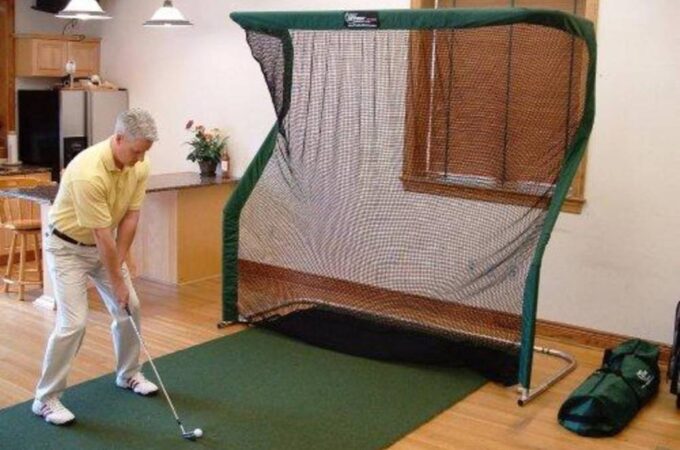
Regular practice is essential for improvement in golf. However, quality practice is more important than quantity. Focus on one aspect of your game at a time rather than trying to fix everything simultaneously. Many golf facilities offer driving ranges where you can practice your swing without the pressure of playing on the course.
Short game practice around the green is particularly important for beginners. Putting, chipping, and pitching account for a large portion of your total strokes. Therefore, dedicating time to these skills will lower your scores more quickly than focusing only on long drives.
Golf Course Etiquette and Rules
Understanding golf etiquette and basic rules is crucial for enjoying the game and being welcomed by other players. Golf has a strong tradition of respect, honesty, and consideration for others.
Basic Course Etiquette
Always repair divots and ball marks on the greens. Keep pace with the group ahead of you, not away from the group behind. Additionally, observe quiet behavior when others are hitting their shots. These simple courtesies make the game more enjoyable for everyone.
Safety is paramount on the golf course. Never hit your ball until the players ahead are clearly out of range. Yell “fore” loudly if your ball might hit someone. However, most safety issues can be prevented by staying alert and being considerate of other players.
Understanding Basic Rules
Golf rules can seem complex, but beginners only need to know the fundamentals. Count every stroke, including penalty strokes. Play the ball as it lies unless specific rules allow you to move it. Additionally, understand basic penalty situations like water hazards and out-of-bounds areas.
Many courses offer modified rules for beginners, such as allowing mulligans or improving lies in the rough. However, learning the actual rules from the start will help you enjoy the game’s integrity and challenge.

Getting Started on the Course
Your first few rounds on an actual golf course will be exciting and probably challenging. However, proper preparation and realistic expectations will help you have a positive experience.
Choosing the Right Course
Not all golf courses are suitable for beginners. Look for shorter, less challenging courses that welcome new players. Many facilities offer beginner-friendly tee boxes that reduce the course length significantly. Additionally, executive courses with shorter holes provide a less intimidating introduction to course play.
Consider playing during less busy times when you won’t feel rushed. Early morning or late afternoon rounds often offer more relaxed atmospheres. Therefore, you can take your time learning without feeling pressure from other players.
Playing Your First Round
Start with realistic expectations for your first round. Most beginners shoot well over 100 strokes for 18 holes, and that’s perfectly normal. Focus on having fun and learning rather than achieving low scores. Additionally, don’t be afraid to pick up your ball after several attempts on difficult holes.
Playing with experienced golfers can be helpful if they’re patient and encouraging. However, avoid playing with overly competitive or impatient players who might make your experience stressful. Many golf facilities offer beginner group lessons or clinics that provide supportive learning environments.
Building Your Golf Skills Over Time
Golf is a lifelong learning experience that rewards patience and persistence. However, having a structured approach to improvement will help you progress more quickly and maintain motivation.
Setting Realistic Goals
Set achievable short-term goals rather than expecting immediate dramatic improvement. Focus on process goals like making solid contact with the ball or completing holes without losing balls. Additionally, celebrate small victories like your first par or breaking 100 for the first time.
Track your progress through scorecards and practice notes. This helps you identify areas needing improvement and recognize your advancement over time. Therefore, you’ll stay motivated even when progress seems slow.
Continuing Education
Golf instruction should be ongoing as you develop your skills. Consider regular lessons with a qualified instructor who can help you avoid developing bad habits. Additionally, there are numerous books, videos, and online resources available to supplement your learning.
Many golfers find that playing with different partners exposes them to new techniques and strategies. However, be selective about advice from other amateur golfers, as well-meaning suggestions can sometimes be counterproductive.
Frequently Asked Questions
How much does it cost to start playing golf?
Starting golf can cost anywhere from $200 to $800 depending on your choices. A basic set of beginner clubs costs $150-400, while green fees range from $20-80 per round. However, you can reduce costs by buying used equipment, playing municipal courses, and taking advantage of beginner specials.
How long does it take to learn golf?
Most beginners can enjoy playing golf within a few months of starting. However, golf is a complex sport that takes years to master. With regular practice and instruction, you can expect to see noticeable improvement in 3-6 months. Additionally, setting realistic expectations will help you enjoy the learning process.
Do I need lessons to learn golf?
While you can learn golf on your own, professional instruction will accelerate your progress significantly. Lessons help you develop proper fundamentals and avoid common mistakes that can become difficult habits to break. Therefore, most golf instructors recommend at least a few beginner lessons to establish a solid foundation.
What should I wear to play golf?
Golf courses typically require collared shirts, golf pants or shorts, and golf shoes. Avoid jeans, athletic shorts, or flip-flops. Additionally, check specific dress codes before visiting new courses, as requirements can vary. Comfort and weather-appropriate clothing will help you play your best.
How do I find other golfers to play with?
Many golf courses offer beginner groups, leagues, or social events that help new players meet others. Additionally, golf apps and websites can connect you with players of similar skill levels. However, don’t hesitate to ask at the pro shop about opportunities to join other players or beginner-friendly groups.
Conclusion
Starting your golf journey is an exciting decision that can provide decades of enjoyment, challenge, and social opportunities. Remember that every expert golfer was once a beginner who felt overwhelmed by the game’s complexity. However, with proper preparation, realistic expectations, and consistent practice, you’ll soon discover why millions of people worldwide love this amazing sport.
The key to success in golf is patience with yourself and commitment to gradual improvement. Additionally, focus on enjoying the experience rather than achieving perfect scores immediately. Golf offers unique rewards beyond just the scorecard, including time in nature, physical activity, and lasting friendships with fellow players.
Whether you’re looking for a new hobby, a way to network professionally, or simply a challenging sport to master, golf has something to offer. Therefore, take that first step onto the course and begin your own golf adventure today.
Read More:
Eco-Friendly Golf Balls: What Are They and Do They Perform
How to Make Your Golf Game Greener with Eco-Friendly Gear