How to Select the Best Golf Clubs for Your Skill Level and Swing Style
Choosing the right golf clubs can completely change how you play. The wrong set can hold you back, while the right one can improve your confidence, consistency, and distance. According to the United States Golf Association, over 60 percent of amateur golfers use clubs that do not match their swing. In addition, a study from Golf Datatech shows that properly fitted golf clubs can improve accuracy by up to 20 percent.
That is why selecting golf clubs based on your skill level and swing style matters. This guide explains everything in simple terms so you can make smart decisions and play better golf without confusion.
Why Choosing the Right Golf Clubs Matters
Many players focus only on technique. However, equipment plays an equally important role. When clubs match your ability and swing, your shots become more predictable. As a result, you gain better control and confidence in the course.
In contrast, using the wrong clubs leads to inconsistent ball flight and poor distance control. Beginners often struggle because their clubs are too advanced. Meanwhile, experienced players may feel limited by beginner gear. Therefore, choosing the right clubs helps you grow faster and enjoy the game more.

Understanding Skill Levels in Golf
Beginner Golfers
Beginners need clubs that are easy to hit and forgiving. Since consistency is still developing, forgiving clubs reduce mistakes.
Key features include
- Larger clubheads for better contact
- Wider soles to prevent digging into the ground
- Higher lofts for easier ball lift
These clubs help beginners get the ball airborne and build confidence early.
Intermediate Golfers
Intermediate players start refining their swing and improving accuracy. Therefore, they need a balance between forgiveness and control.
Important characteristics include
- Moderate forgiveness
- Improved feedback on shots
- Better shot shaping ability
At this stage, golfers benefit from clubs that support skill development without being too demanding.
Advanced Golfers
Advanced players focus on precision and shot control. Their swings are consistent, so they prefer clubs that respond exactly to their input.
Typical features include
- Smaller clubheads
- Less forgiveness
- Greater workability
These clubs allow experienced players to shape shots and control trajectory more effectively.
Types of Golf Clubs and Their Purpose
Drivers
Drivers are used for long distance shots from the tee. They have large heads and low loft angles. A properly fitted driver can significantly increase distance while maintaining accuracy.
Irons
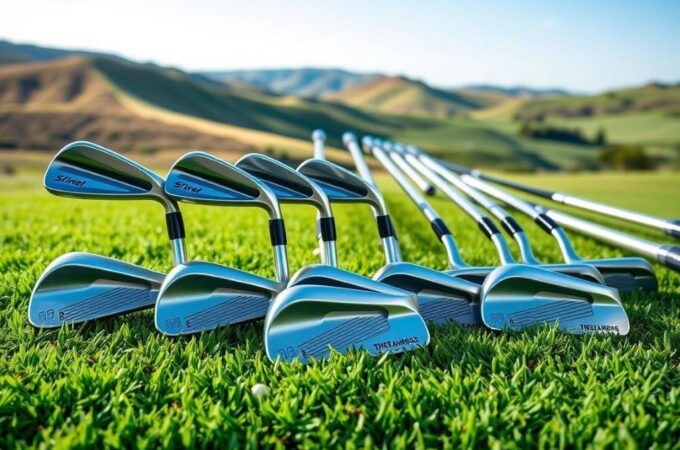
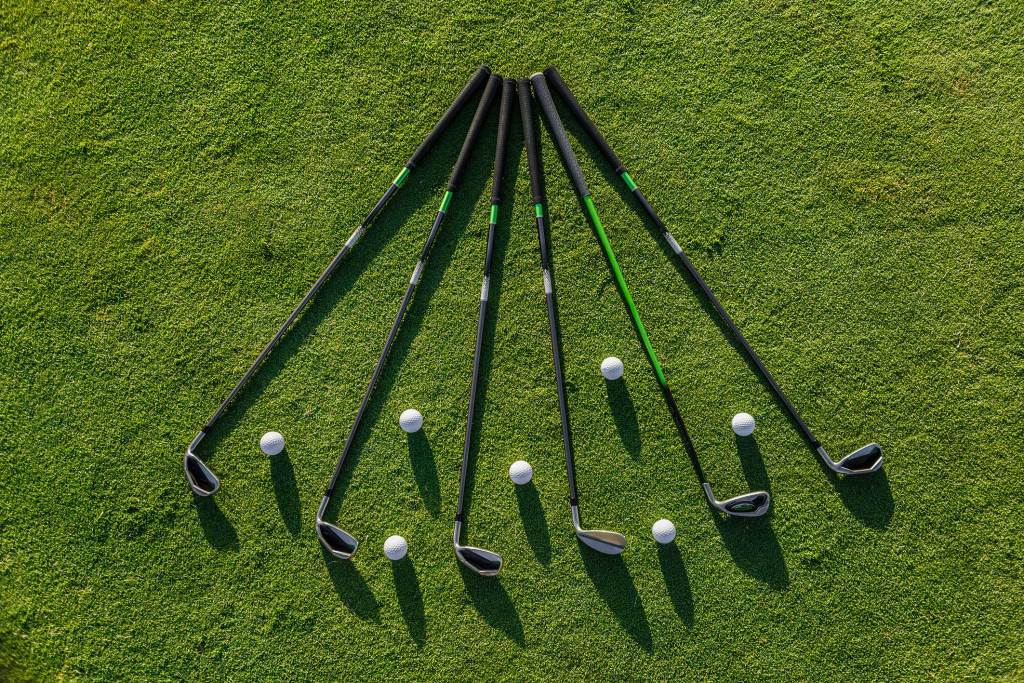
Irons are versatile and used for various distances. They range from low numbered irons for long shots to high numbered irons for shorter shots.
Wedges
Wedges are designed for short shots around the green. They help with accuracy, spin, and control.
Putters
Putters are used on the green to roll the ball into the hole. They require precision and feel rather than power.
Matching Golf Clubs to Your Swing Style
Understanding Your Swing Speed
Swing speed plays a major role in club selection. Faster swings generate more power, while slower swings need more assistance from the club.
For example
- Slow swing speeds benefit from flexible shafts
- Fast swing speeds require stiffer shafts for control
Therefore, knowing your swing speed helps you choose the right shaft and club type.
Swing Path and Angle
Your swing path affects how the club contacts the ball. Some players swing inside to outside, while others swing outside to inside.
Clubs can help correct common issues
- Offset clubs help reduce slices
- Balanced designs improve alignment
Understanding your swing path ensures better club selection and improved accuracy.
Ball Flight Tendencies
Every golfer has natural ball flight tendencies. Some hit slices, while others hit hooks.
Choosing clubs that complement your tendencies can improve performance. For instance, forgiving clubfaces help reduce side spin and improve direction.
Key Factors to Consider When Selecting Golf Clubs
Clubhead Design
Clubhead design affects forgiveness and control. Larger heads provide more forgiveness, while smaller heads offer precision.
Beginners should choose larger clubheads. On the other hand, advanced players may prefer compact designs for better control.
Shaft Material and Flex
Shafts are usually made of graphite or steel. Each material offers different benefits.
- Graphite shafts are lighter and increase swing speed
- Steel shafts provide more control and feedback
Flex options include
- Regular for moderate swing speeds
- Stiff for faster swings
Choosing the right shaft improves both distance and accuracy.
Grip Size
Grip size impacts comfort and control. A grip that is too small or too large can affect your swing.
Signs of incorrect grip size include
- Excessive hand movement
- Loss of control during swings
Proper grip size ensures a stable and consistent swing.
Club Length
Club length affects posture and swing mechanics. Clubs that are too long or too short can lead to poor shots.
Proper length helps maintain balance and improve consistency.
The Importance of Club Fitting
Custom club fitting is one of the most effective ways to improve your game. It involves analyzing your swing and matching clubs to your unique characteristics.
During a fitting session, experts evaluate
- Swing speed
- Launch angle
- Spin rate
- Ball flight
As a result, you receive clubs tailored to your needs. Studies show that fitted clubs can significantly improve shot consistency and distance control.
Common Mistakes to Avoid
Choosing Based on Brand Alone
Many golfers choose clubs based on brand popularity. However, brand does not guarantee performance. Always focus on fit and functionality instead.
Ignoring Skill Level
Using advanced clubs as a beginner can slow your progress. Likewise, using beginner clubs at an advanced level limits your potential.
Skipping Testing
Testing clubs before buying is essential. It helps you understand how they feel and perform. Without testing, you risk choosing unsuitable equipment.
Overlooking Shaft Flex
Incorrect shaft flex can affect accuracy and distance. Always match shaft flex to your swing speed.
Tips for Beginners Selecting Golf Clubs
If you are just starting, keep things simple and practical. Focus on ease of use and comfort rather than advanced features.
Follow these tips
- Choose forgiving clubs with larger heads
- Use lightweight shafts for easier swings
- Start with a basic set instead of a full collection
- Practice with consistent equipment to build confidence
These steps help you develop skills without unnecessary complications.
Tips for Intermediate and Advanced Players
For Intermediate Players
Focus on improving control and consistency. Choose clubs that offer feedback while still providing some forgiveness.
For Advanced Players
Prioritize precision and customization. Advanced players benefit from tailored clubs that match their exact swing characteristics.
In both cases, regular testing and fitting help maintain peak performance.
Conclusion
Selecting the best golf clubs for your skill level and swing style is not complicated when you understand the basics. The right clubs improve your performance, boost confidence, and make the game more enjoyable.
Focus on your skill level, understand your swing, and pay attention to key factors like shaft, grip, and club design. Most importantly, test and fit your clubs whenever possible.
Take action today. Evaluate your current clubs and make adjustments that match your game. Better equipment leads to better results on the course.
FAQs
What are the best golf clubs for beginners?
Beginners should choose forgiving clubs with larger heads and lightweight shafts. These features make it easier to hit consistent shots and build confidence.
How do I know my swing speed?
You can measure swing speed using a launch monitor at a golf shop or driving range. Many fitting centers offer this service for accurate results.
Is custom club fitting necessary?
Custom fitting is highly recommended. It ensures your clubs match your swing, which improves accuracy and consistency.
What shaft flex should I choose?
Choose shaft flex based on swing speed. Slower swings need flexible shafts, while faster swings require stiffer options for control.
How often should I upgrade my golf clubs?
Upgrade your clubs when your skill level improves or when your current clubs no longer match your swing. Regular evaluation helps maintain performance.