
How to Choose the Right Golf Ball for New Players
Selecting the right golf ball can significantly impact your performance on the course, especially for new players. With various types of golf balls available, each offering different benefits, it’s crucial to understand which ball suits your needs as you begin your golfing journey. This guide will help you navigate the choices and make an informed decision based on your skill level, playing style, and personal preferences.
Understand Golf Ball Types
Golf balls come in several types, each designed for specific playing characteristics. The main types are:
Two-Piece Golf Balls
Two-piece golf balls are typically recommended for beginners. They feature a solid rubber core and a durable cover, providing maximum distance and durability. They are less expensive and offer a more forgiving performance, making them ideal for new players who need to focus on their game without worrying about ball performance.
Three-Piece Golf Balls
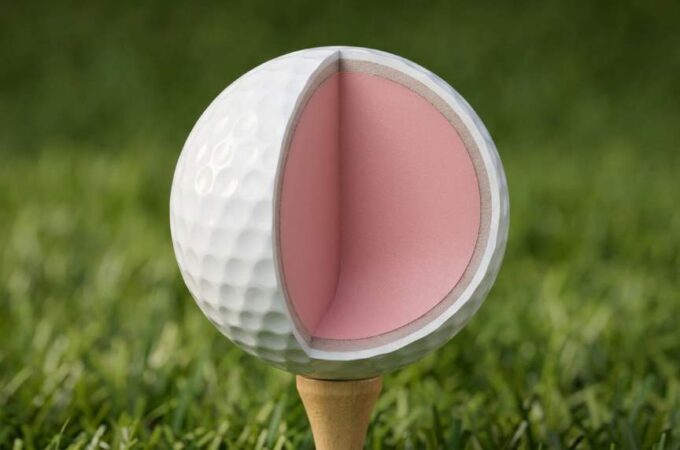
Three-piece golf balls have a liquid or gel core, a layer of material in between, and a cover. They offer better control and a softer feel compared to two-piece balls. While they can provide more spin and feel, they are generally more expensive. Beginners might find them less forgiving, but they are suitable for players who want to develop their skills further.
Four-Piece and Five-Piece Golf Balls
Four-piece and five-piece golf balls are designed for advanced players seeking optimal control, spin, and distance. These balls feature multiple layers that enhance performance on various aspects of the game, such as tee shots, approach shots, and putting. While these balls offer the best performance, they may be less forgiving and are usually not recommended for new players.
Consider Compression Ratings
Low Compression Balls
Low compression balls are softer and compress more easily when struck. They are generally better for beginners as they provide more distance and a softer feel on impact. They can help new players achieve greater distances with slower swing speeds.
High Compression Balls
High compression balls are firmer and are designed for players with faster swing speeds. They offer less distance for beginners with slower swings but provide greater control for more experienced players.
Look for Durability and Feel
Durability
New players might benefit from choosing durable golf balls that can withstand repeated strikes and rough conditions. Two-piece balls often provide better durability, which is useful for beginners who may lose balls frequently.
Feel
The feel of the golf ball refers to how it responds upon impact. Softer balls generally offer a better feel, which can be beneficial for beginners learning to control their shots. Consider trying a few different types to see which feel suits you best.
Evaluate Ball Color and Visibility
Traditional White Balls
White golf balls are the most common and are generally easy to track and spot on the course. They are available in various brands and types, providing a wide range of options.
Colored Balls
Colored golf balls, such as yellow or orange, can be easier to see, especially in low-light conditions or on a course with a lot of green. They can be a good choice for beginners who struggle with visibility.
Test and Compare
Try Different Balls
Many golf stores offer sample packs or trial packs of different golf balls. Take advantage of these to test various balls and see how they perform with your swing. Pay attention to how each ball affects distance, feel, and control.
Seek Advice from Golf Professionals
Consult with golf professionals or instructors at your local golf course. They can provide personalized recommendations based on your swing speed, skill level, and playing style.
Consider Cost and Value
Budget-Friendly Options
As a new player, you may want to start with more affordable golf balls to avoid spending too much on a ball you might not fully utilize. Two-piece balls are typically less expensive and offer good value for beginners.
Value for Money
While it’s important to stay within your budget, consider the overall value of the ball. Sometimes spending a bit more on a ball that offers better performance or durability can be worth the investment, especially as you improve your skills.
FAQs
What type of golf ball is best for beginners?
Two-piece golf balls are best for beginners. They offer maximum distance, durability, and forgiveness, making them ideal for players who are just starting out.
Does the compression rating of a golf ball matter for new players?
Yes, new players should consider low compression balls as they are softer and provide more distance with slower swing speeds, which is common among beginners.
Should beginners invest in expensive golf balls?
Beginners can start with budget-friendly golf balls that offer good durability and performance. As skills improve, investing in higher-quality balls can be considered, but it’s not necessary at the start.
Conclusion
Choosing the right golf ball as a new player involves understanding the different types of balls available, considering compression ratings, evaluating durability and feel, and testing various options to find what works best for you. Start with a ball that offers distance and forgiveness, and don’t hesitate to experiment with different types as you develop your game. With the right golf ball, you’ll enhance your playing experience and make progress on your journey to becoming a better golfer.