How to Choose the Right Golf Irons for Accuracy and Distance
Golf irons are the backbone of your game. They’re the clubs you’ll use most often, from approach shots to chipping around the green. Choosing the right set of irons can transform your accuracy, distance, and overall enjoyment on the course. However, with so many options available, finding the perfect fit can feel overwhelming.
I remember my first set of irons—a hand-me-down collection that was too heavy, too stiff, and far from forgiving. My shots were inconsistent, and I struggled to control both distance and direction. After upgrading to a set of modern, game-improvement irons, my confidence soared. The right irons made it easier to hit the ball straight and achieve the distance I needed. If you’re ready to upgrade, exploring the best golf irons for your game is a great place to start.
Why the Right Golf Irons Matter
Golf irons are designed to help you achieve precision and control. They bridge the gap between your woods and wedges, covering a wide range of distances and shot types. The right set of irons can improve your accuracy, increase your distance, and make the game more enjoyable.
Modern irons are engineered with advanced materials and technologies to enhance forgiveness, launch, and spin. Whether you’re a beginner looking for extra help or an experienced player seeking precision, the right irons can make a noticeable difference in your performance.
Types of Golf Irons
1. Game-Improvement Irons
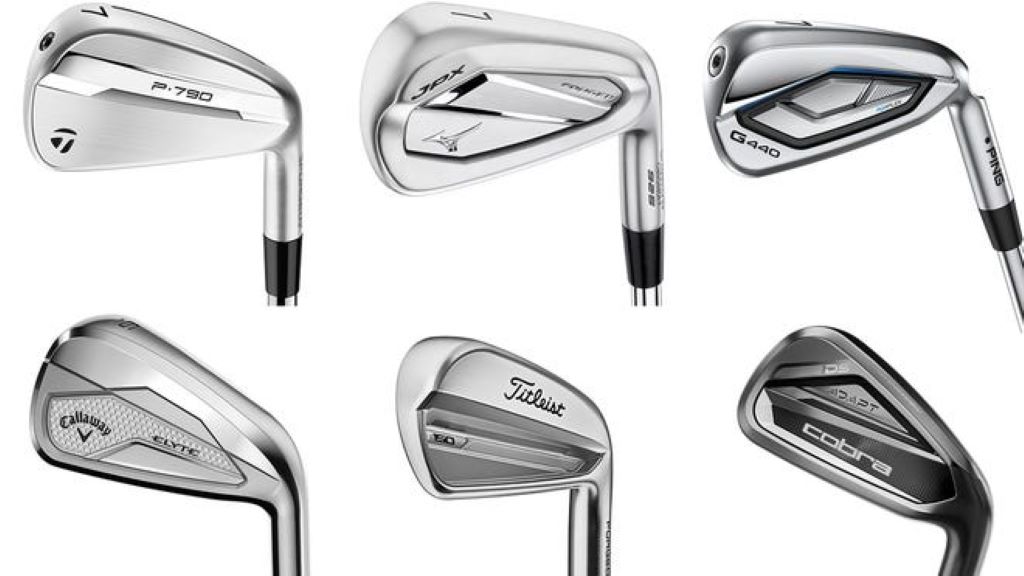
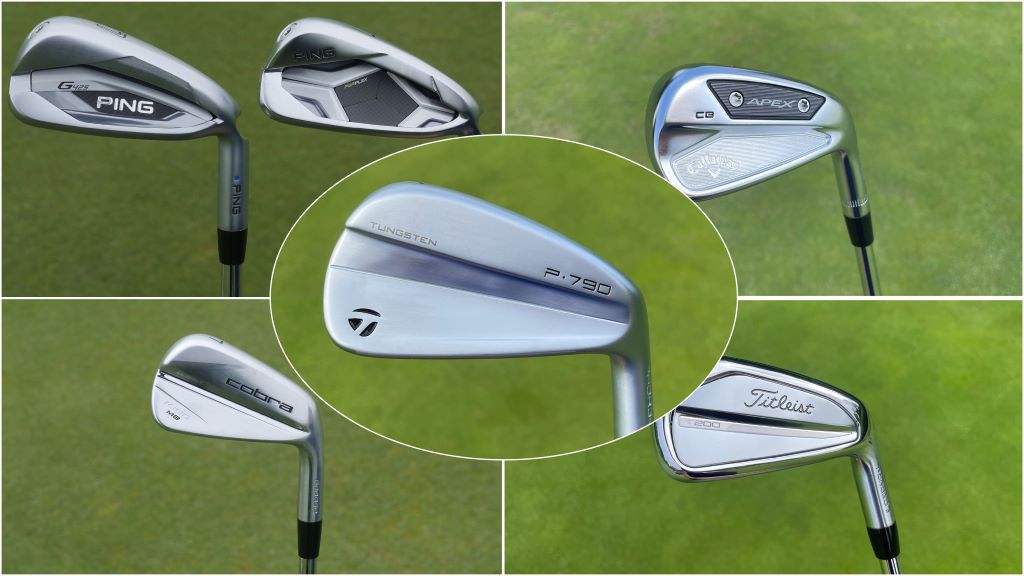
Game-improvement irons are designed for mid-to-high handicap golfers. They feature a larger clubhead, wider sole, and perimeter weighting to increase forgiveness and launch the ball higher. These irons help correct off-center hits, making them ideal for players who want more consistency and distance.
Pros:
- Forgiving on mishits
- Higher launch and longer distance
- Confidence-inspiring at address
Cons:
- Less workability compared to player’s irons
- May not offer the same feedback as blades
2. Player’s Irons
Player’s irons, also known as blades or muscle-back irons, are designed for low-handicap and professional golfers. They offer a smaller clubhead, thinner sole, and less perimeter weighting, providing maximum control and workability. These irons require precise ball-striking but reward skilled players with better feedback and shot-shaping ability.
Pros:
- Superior control and workability
- Better feedback on impact
- Preferred by skilled players for shot-shaping
Cons:
- Less forgiving on mishits
- Require a higher skill level to use effectively
3. Super Game-Improvement Irons
Super game-improvement irons take forgiveness to the next level. They feature the largest clubheads, widest soles, and most perimeter weighting. These irons are ideal for beginners or high-handicap golfers who need maximum help with launch, distance, and accuracy.
Pros:
- Extremely forgiving and easy to hit
- High launch and maximum distance
- Builds confidence for new golfers
Cons:
- Limited workability
- Not ideal for skilled players seeking control
4. Hybrid Irons
Hybrid irons combine the best features of irons and hybrids. They replace long irons (typically 3-5 irons) with hybrid clubs, which are easier to hit and offer better launch and forgiveness. Hybrid irons are a popular choice for golfers who struggle with long irons but still want the versatility of a full iron set.
Pros:
- Easier to hit than long irons
- Higher launch and better forgiveness
- Versatile for a variety of lies
Cons:
- May not offer the same precision as traditional irons
- Limited options for short irons
Key Features to Consider
Clubhead Design
The design of the clubhead affects forgiveness, launch, and playability. Larger clubheads with perimeter weighting offer more forgiveness, while smaller clubheads provide better control and workability. Consider your skill level and what you need most from your irons.
Shaft Material and Flex
The shaft is just as important as the clubhead. The two main materials are steel and graphite:
- Steel Shafts: Offer more control, consistency, and feedback. They’re heavier, which can help with tempo and accuracy. Ideal for players with faster swing speeds or those who prefer a firmer feel.
- Graphite Shafts: Lighter and more flexible, helping to increase swing speed and distance. They’re great for golfers with slower swing speeds, seniors, or those seeking extra distance.
Shaft flex is another critical factor. Common flex options include:
- Extra Stiff (X): For very fast swing speeds
- Stiff (S): For fast swing speeds
- Regular (R): For moderate swing speeds
- Senior (A): For slower swing speeds
- Ladies (L): For the slowest swing speeds
Choosing the right flex ensures you maximize distance and accuracy.
Loft and Lie Angle
Loft determines the trajectory and distance of your shots. Modern irons often have stronger lofts (lower degrees) to help golfers achieve more distance. However, stronger lofts can also reduce the height of your shots, which may not be ideal for all players.
Lie angle affects the direction of your shots. If your lie angle is incorrect, your shots may consistently miss left or right. Many golfers benefit from a custom fitting to ensure their lie angle matches their swing.
Forgiveness and Sweet Spot
Forgiveness refers to how well an iron performs on off-center hits. Irons with a larger sweet spot and perimeter weighting are more forgiving, helping you achieve better results even on mishits. Game-improvement and super game-improvement irons excel in this area.
Feel and Feedback
The feel of an iron refers to the sensation you experience at impact. Some golfers prefer a soft, buttery feel, while others like a firmer, more responsive feedback. Player’s irons and blades typically offer the best feedback, helping skilled players fine-tune their shots.
How to Choose the Right Golf Irons for You
Assess Your Skill Level
Your skill level is the most important factor in choosing the right irons. Here’s a quick guide:
- Beginners/High Handicappers: Opt for super game-improvement or game-improvement irons. These clubs offer maximum forgiveness and help you get the ball in the air.
- Mid Handicappers: Game-improvement irons or hybrid iron sets are ideal. They provide a balance of forgiveness and control.
- Low Handicappers/Advanced Players: Player’s irons or blades offer the control and workability needed for precise shot-shaping.
Consider Your Swing Speed
Your swing speed influences the type of shaft and flex you should choose. Faster swing speeds benefit from stiffer shafts, while slower speeds need more flexible shafts to maximize distance. If you’re unsure about your swing speed, consider getting a professional fitting.
Get Fitted
A professional club fitting is one of the best investments you can make. A fitting analyzes your swing, ball flight, and impact to recommend the best irons for your game. Custom fittings ensure your irons match your swing mechanics, lie angle, and shaft preferences, leading to better performance on the course.
Test Before You Buy
Whenever possible, test different irons before making a purchase. Hit a variety of shots with each set to see how they feel and perform. Pay attention to distance, accuracy, trajectory, and overall comfort. Many golf stores and driving ranges offer demo days or rental clubs for testing.
Set a Budget
Golf irons range from budget-friendly options to high-end models. Determine your budget and look for the best features within your price range. Remember, investing in quality irons can improve your game and last for years.
Common Mistakes to Avoid
- Choosing Based on Looks Alone: While aesthetics matter, prioritize performance and fit over appearance.
- Ignoring Shaft Flex: The wrong flex can lead to inconsistent shots and reduced distance.
- Skipping a Fitting: A custom fitting ensures your irons match your swing and body mechanics.
- Overlooking Forgiveness: Even skilled players benefit from some forgiveness, especially on off days.
- Not Testing Different Options: Trying different irons helps you find the best fit for your game.
FAQs
What is the difference between forged and cast irons?
Forged irons are made from a single piece of metal, offering a softer feel and better feedback. They’re typically preferred by skilled players. Cast irons are made by pouring molten metal into a mold, allowing for more complex designs and greater forgiveness. They’re ideal for beginners and mid-handicappers.
How often should I replace my golf irons?
Golf irons typically last between 5 to 10 years, depending on usage and care. Replace your irons if you notice significant wear, loss of groove sharpness, or if your game has improved and your current irons no longer match your skill level.
Can I mix different types of irons in my bag?
Yes! Many golfers use hybrid irons for long irons and traditional irons for mid and short irons. This combination offers forgiveness where you need it most and control for precision shots.
What is the best way to test golf irons?
Visit a driving range or golf store with a launch monitor. Hit a variety of shots with each iron, paying attention to distance, accuracy, trajectory, and feel. Testing in real-world conditions helps you make an informed decision.
Are expensive irons worth the investment?
Expensive irons often feature advanced materials, better craftsmanship, and customization options. While they’re not necessary for all golfers, they can offer noticeable improvements in performance, feel, and durability for those who invest in them.
Conclusion
Choosing the right golf irons is a game-changer. The perfect set can improve your accuracy, increase your distance, and make every round more enjoyable. By understanding your skill level, swing speed, and preferences, you can find irons that match your game and help you reach your full potential.
Investing in the right irons is an investment in your golf game. Take the time to research, test, and get fitted to ensure you make the best choice for your needs.
Have you found the perfect set of irons? Share your experiences or favorite models in the comments below! And if you found this guide helpful, don’t forget to share it with your fellow golfers.