How to Choose the Best Golf Grips for Better Control and Feel
Golf is a game of precision, and every detail of your equipment can impact your performance. While clubs and balls often take center stage, the importance of golf grips is sometimes overlooked. The right grip can transform your control, feel, and consistency, making it easier to achieve better shots and lower scores. Whether you’re a beginner or a seasoned player, choosing the best golf grips for your game is a simple yet powerful way to enhance your performance.
I remember struggling with my drives and iron shots, often blaming my swing or clubs. It wasn’t until I replaced my worn-out grips with a set of high-quality, tacky grips that I noticed a significant improvement in my control and confidence. The difference was immediate, and my shots became more consistent. If you’re looking to refine your game, exploring the best golf grips is a great place to start.
Why the Right Golf Grips Matter
Golf grips are your only point of contact with the club, making them a critical component of your equipment. A good grip enhances your ability to control the clubface, maintain a consistent swing, and generate power. Worn or improperly sized grips can lead to inconsistent shots, reduced accuracy, and even physical strain, such as blisters or hand fatigue.
Modern golf grips are designed with advanced materials and technologies to improve traction, comfort, and durability. For example, many grips feature textured surfaces or tacky compounds to enhance grip stability, even in wet or humid conditions. According to golf equipment studies, replacing worn grips can lead to measurable improvements in shot consistency and distance control, making it a cost-effective upgrade for golfers of all skill levels.
Types of Golf Grips
1. Rubber Grips
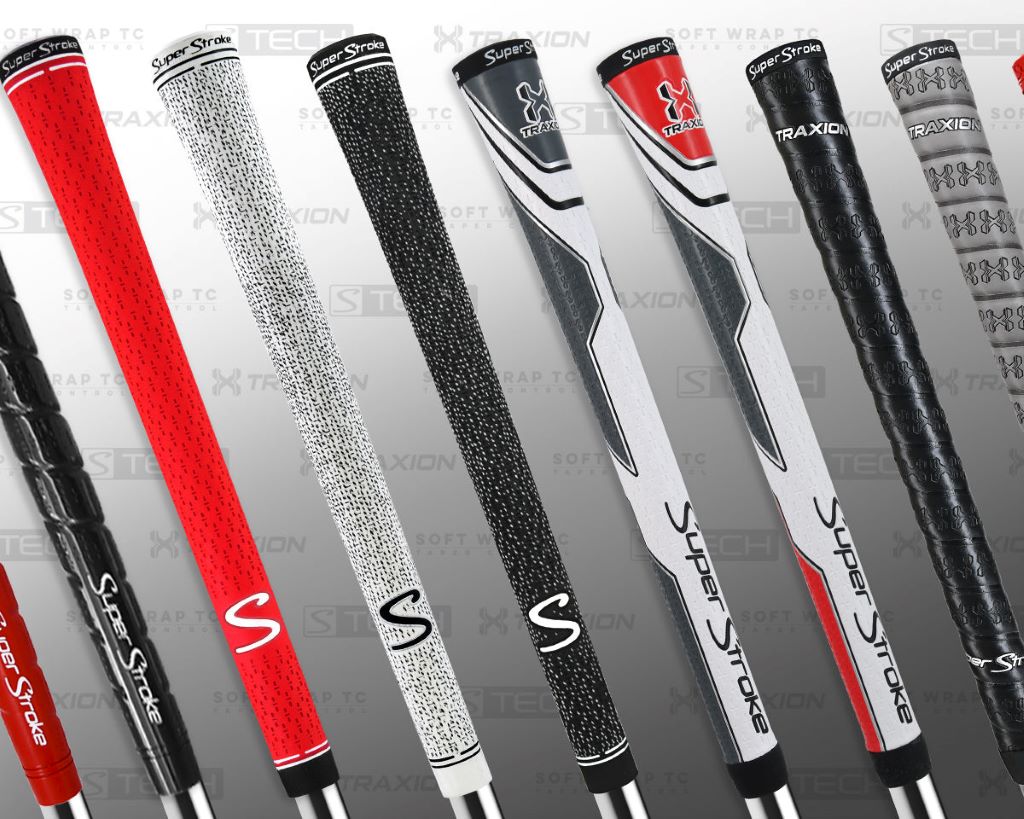
Rubber grips are the most common type, known for their durability, affordability, and versatility. They provide a firm, consistent feel and are available in a variety of textures and sizes to suit different preferences. Rubber grips are a great all-around option for golfers who want a reliable, low-maintenance grip.
Pros:
- Durable and long-lasting
- Affordable and widely available
- Offers a consistent, firm feel
Cons:
- Can become slippery in wet conditions
- May feel too hard for golfers who prefer a softer grip
2. Corded Grips
Corded grips feature a textured, woven material embedded in the rubber to provide extra traction. This design is ideal for golfers who play in wet or humid conditions, as the corded surface helps maintain a secure grip. Corded grips are popular among professional and low-handicap golfers who prioritize control and stability.
Pros:
- Excellent traction in wet conditions
- Preferred by many professional golfers
- Durable and long-lasting
Cons:
- Can feel rough or abrasive on the hands
- May not be as comfortable for golfers with sensitive skin
3. Hybrid Grips
Hybrid grips combine the best features of rubber and corded grips. They typically feature a corded section in the upper hand area for added traction and a smoother rubber section in the lower hand for comfort. Hybrid grips are a great choice for golfers who want a balance of control and feel.
Pros:
- Balanced traction and comfort
- Ideal for golfers who play in varied conditions
- Offers a secure yet comfortable grip
Cons:
- Can be more expensive than standard rubber grips
- May not offer the same level of traction as fully corded grips
4. Wrap-Style Grips
Wrap-style grips mimic the feel of a traditional leather wrap, offering a softer, more cushioned grip. They are often preferred by golfers who prioritize comfort and a classic feel. Wrap-style grips are typically made from synthetic materials that provide a tacky, comfortable surface.
Pros:
- Soft and comfortable feel
- Reduces hand fatigue during long rounds
- Ideal for golfers who prefer a traditional grip style
Cons:
- Less durable than rubber or corded grips
- May not offer the same level of traction in wet conditions
5. Oversize and Midsize Grips
Oversize and midsize grips are designed for golfers with larger hands or those who prefer a thicker grip. These grips can help reduce grip pressure, promoting a smoother swing and reducing the risk of hand fatigue. Oversize grips are also beneficial for golfers with arthritis or joint pain, as they require less grip strength.
Pros:
- Reduces grip pressure and hand fatigue
- Ideal for golfers with larger hands or joint issues
- Can promote a smoother, more relaxed swing
Cons:
- May feel too bulky for golfers with smaller hands
- Can alter the feel and balance of the club
6. Putter Grips
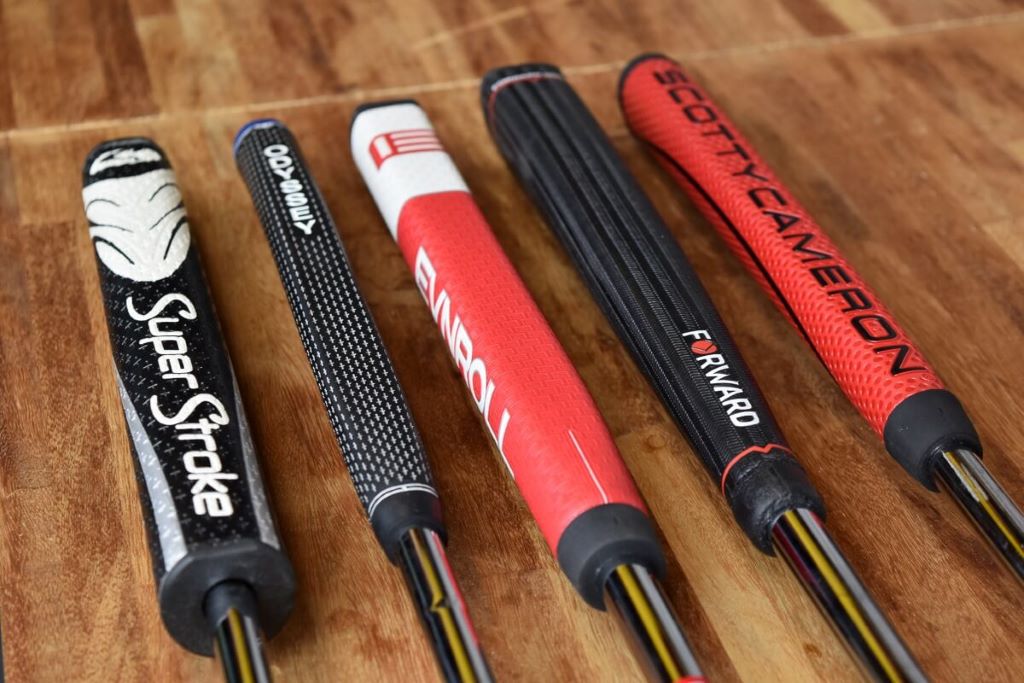
Putter grips are specifically designed for use with putters, offering unique shapes and textures to enhance control and feel. They come in a variety of styles, including pistol grips, oversize grips, and counterbalanced designs. The right putter grip can improve your stroke consistency and help you hole more putts.
Pros:
- Designed to enhance putting stroke consistency
- Available in a variety of shapes and sizes
- Can improve feel and control on the greens
Cons:
- Not suitable for use with other clubs
- Some styles may feel uncomfortable or awkward
Key Features to Consider
Material
The material of your grip affects its feel, durability, and performance. Rubber grips are the most common and offer a firm, consistent feel. Corded grips provide extra traction, especially in wet conditions, while wrap-style grips offer a softer, more cushioned feel. Consider the typical conditions you play in when choosing a grip material.
Texture and Tackiness
The texture and tackiness of a grip influence your ability to maintain control of the club. Grips with a rougher or more textured surface provide better traction, especially in wet or humid conditions. Tacky grips offer a sticky feel that helps prevent the club from twisting in your hands during the swing.
Size
Grip size is crucial for comfort and control. Grips that are too small can cause you to grip the club too tightly, leading to tension and inconsistent shots. Grips that are too large can alter the feel and balance of the club. Choose a grip size that matches your hand size and allows for a relaxed, natural grip.
Weight
The weight of your grip can affect the overall balance and feel of your club. Heavier grips can help promote a smoother tempo, while lighter grips may enhance clubhead speed. Consider how the weight of the grip influences your swing mechanics and shot consistency.
Durability
Durability is an important factor, especially if you play frequently. Rubber and corded grips tend to be the most durable, while wrap-style grips may wear out more quickly. Look for grips made from high-quality materials that can withstand regular use and varying weather conditions.
Weather Resistance
If you frequently play in wet or humid conditions, choose grips that offer good weather resistance. Corded grips and some rubber grips with textured surfaces provide better traction in wet conditions. Additionally, some grips feature moisture-wicking properties to keep your hands dry and maintain a secure grip.
How to Choose the Right Golf Grips for Your Game
Assess Your Hand Size and Grip Pressure
Your hand size and grip pressure are key factors in choosing the right grip. Golfers with larger hands or those who grip the club tightly may benefit from oversize or midsize grips, which can reduce tension and promote a smoother swing. Conversely, golfers with smaller hands or a lighter grip may prefer standard or undersize grips for better control.
Consider Your Playing Conditions
The conditions you typically play in should influence your grip choice. If you often play in wet or humid conditions, corded or textured grips provide better traction. For dry conditions, rubber or wrap-style grips offer a comfortable, consistent feel. Hybrid grips are a great option for golfers who play in varied conditions.
Match Grips to Your Clubs
Different clubs may benefit from different grip styles. For example, you might prefer a firmer, more textured grip for your driver to maximize control, while a softer, tackier grip on your wedges can enhance feel and touch. Putter grips are uniquely designed to improve stroke consistency, so choose a style that complements your putting technique.
Test Before You Buy
If possible, test different grips before making a purchase. Many golf stores and pro shops offer demo clubs with various grip styles, allowing you to experience the feel and performance firsthand. Pay attention to how each grip affects your control, comfort, and shot consistency.
Prioritize Comfort and Feel
Comfort and feel are subjective but crucial factors in choosing grips. A grip that feels comfortable and natural in your hands will help you maintain a relaxed, consistent swing. Consider the texture, tackiness, and overall feel of the grip to ensure it matches your preferences.
Consider Re-Gripping Frequency
Grips wear out over time, losing their tackiness and traction. Most golfers should re-grip their clubs every 12 to 18 months, or more frequently if they play often or in harsh conditions. Regularly inspect your grips for signs of wear, such as smooth spots or cracks, and replace them as needed to maintain optimal performance.
Common Mistakes to Avoid
- Ignoring Grip Size: Using grips that are too small or too large can negatively impact your control and comfort. Always choose a grip size that matches your hand size and grip pressure.
- Overlooking Weather Conditions: Grips that perform well in dry conditions may become slippery in wet weather. Choose grips that offer good traction in the conditions you typically play in.
- Skipping Re-Gripping: Worn grips lose their effectiveness, leading to inconsistent shots and reduced control. Replace your grips regularly to maintain optimal performance.
- Choosing Style Over Function: While stylish grips are appealing, prioritize performance features like traction, comfort, and durability.
- Not Testing Different Options: Every golfer has unique preferences and needs. Testing different grips helps you find the best match for your game.
FAQs
How often should I replace my golf grips?
Most golfers should replace their grips every 12 to 18 months, or more frequently if they play often or in harsh conditions. Signs of wear, such as smooth spots or cracks, indicate that it’s time for a replacement.
What is the difference between rubber and corded grips?
Rubber grips offer a firm, consistent feel and are durable and affordable. Corded grips feature a textured, woven material that provides extra traction, especially in wet conditions. Corded grips are often preferred by professional golfers for their superior control.
Are oversize grips suitable for all golfers?
Oversize grips are ideal for golfers with larger hands or those who prefer a thicker grip to reduce tension. However, they may feel too bulky for golfers with smaller hands, potentially altering the feel and balance of the club.
Can the type of grip affect my shot accuracy?
Yes, the type of grip can significantly impact your shot accuracy. Grips that provide better traction and control help you maintain a consistent grip pressure and clubface alignment, leading to more accurate shots.
How do I know if my grips are worn out?
Worn-out grips often feel smooth or slick, especially in the areas where your hands make contact. You may also notice cracks, hardening, or a loss of tackiness. If your grips no longer provide a secure, comfortable feel, it’s time to replace them.
Conclusion
Choosing the best golf grips for your game is a simple yet effective way to improve your control, feel, and consistency on the course. By considering factors like material, texture, size, and weather resistance, you can find grips that enhance your performance and make every round more enjoyable.
Investing in quality grips is an investment in your overall golf experience. Take the time to research, test, and choose grips that match your playing style and conditions.
Have you found a set of grips that transformed your game? Share your experiences or favorite models in the comments below! And if you found this guide helpful, don’t forget to share it with your fellow golfers.