How to Build the Perfect Golf Kit for Beginners and Pros
Golf looks simple, yet the right golf kit makes a major difference in performance and enjoyment. Many beginners struggle because they use the wrong gear, while experienced players often miss chances to upgrade strategically. According to the National Golf Foundation, over 25 million Americans play golf annually, and equipment choice strongly affects skill development. In addition, data from United States Golf Association shows that properly fitted clubs can improve accuracy by up to 20 percent. This guide explains how to build a complete, balanced golf kit that works for both beginners and seasoned players.
What Is a Golf Kit and Why It Matters
A golf kit includes all the tools a player needs to play effectively. While clubs form the core, the kit also includes accessories that improve comfort, accuracy, and consistency. A well-built kit helps beginners learn faster and allows experienced players to fine tune their game.
Moreover, a complete setup reduces frustration on the course. When every item serves a clear purpose, players focus more on strategy and less on fixing equipment issues. Therefore, building the right kit is not optional. It is essential for long term improvement.

Essential Golf Clubs Every Player Needs
Driver
The driver is the longest club and helps you hit the ball the farthest. Beginners should choose a driver with a larger clubhead for forgiveness. Meanwhile, advanced players often prefer adjustable drivers for precision.
Fairway Woods
Fairway woods are useful for long shots from the fairway or tee. They provide a balance between distance and control. Most players carry one or two fairway woods.
Irons
Irons handle a wide range of shots. Beginners benefit from cavity back irons because they are more forgiving. In contrast, skilled players may choose blade irons for better control.
Wedges
Wedges help with short shots and high accuracy near the green. Common types include pitching wedge, sand wedge, and lob wedge. These clubs are critical for improving scoring.
Putter
The putter is used on the green. Since putting accounts for a large part of the game, choosing the right putter improves consistency and confidence.
How to Choose the Right Golf Bag
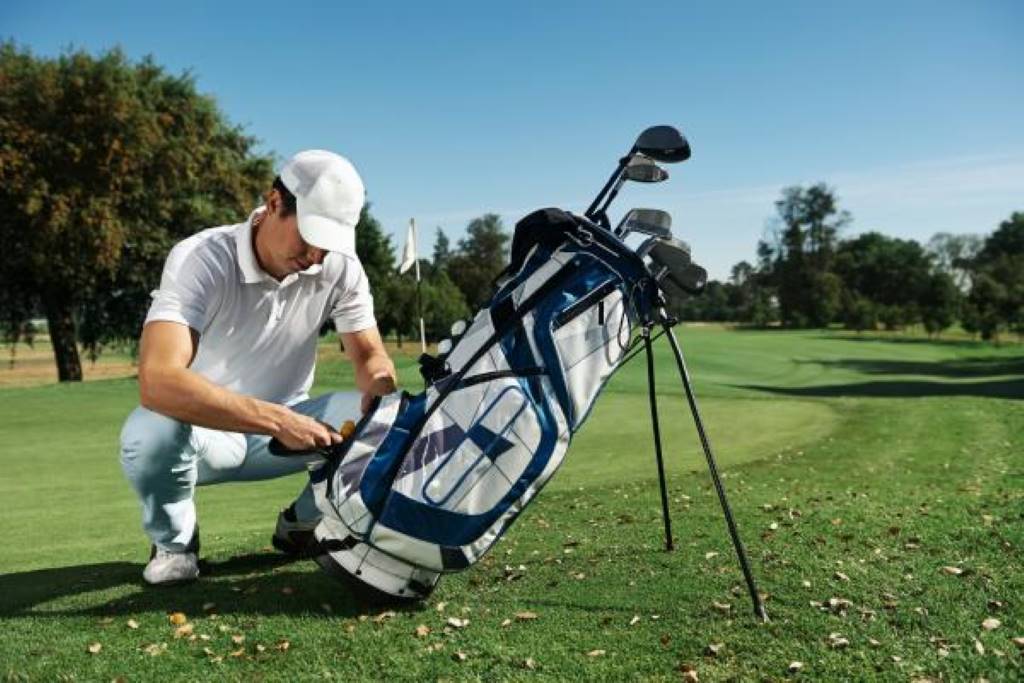
A golf bag keeps your equipment organized and easy to carry. However, not all bags serve the same purpose.
Types of Golf Bags
- Stand bags for walking players
- Cart bags for use with golf carts
- Carry bags for lightweight travel
- Tour bags for professional use
Each type supports different playing styles. Beginners often prefer stand bags because they are versatile and easy to handle.
Key Features to Look For
- Comfortable straps for carrying
- Enough compartments for organization
- Durable material for long term use
- Lightweight design for convenience
Choosing the right bag ensures your kit stays organized and accessible during play.
Golf Balls and Why They Matter
Golf balls may seem simple, yet they affect distance, spin, and control. Beginners should choose balls designed for distance and durability. On the other hand, experienced players often prefer balls that offer more spin control.
Types of Golf Balls
- Distance balls for longer shots
- Soft feel balls for better control
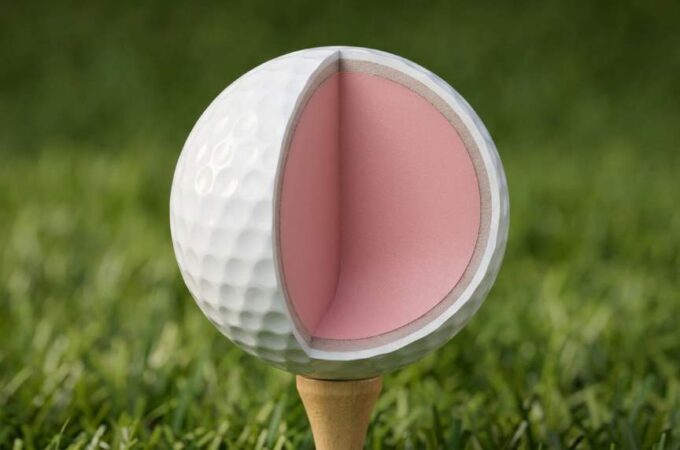
- Multi layer balls for advanced performance
Testing different options helps you find what works best for your playing style.
Must Have Golf Accessories
Accessories complete your golf kit and improve your experience on the course.
Essential Accessories
- Golf gloves for better grip
- Tees for consistent ball height
- Towels for cleaning clubs
- Rangefinders for accurate distance measurement
- Divot tools for course care
Each item adds value and helps maintain performance. Skipping these can limit your overall efficiency.
Club Fitting and Customization
Club fitting plays a key role in building the perfect golf kit. Many players overlook this step, yet it directly impacts performance.
Why Club Fitting Matters
Proper fitting ensures that clubs match your height, swing speed, and playing style. As a result, you gain better accuracy and consistency.
Key Factors in Club Fitting
- Shaft length and flexibility
- Clubhead design
- Grip size
- Swing speed analysis
Professional fitting sessions provide valuable insights and help you choose equipment that suits your game.
Building a Golf Kit for Beginners
Beginners should focus on simplicity and ease of use. Starting with too many clubs can feel overwhelming.
Beginner Friendly Setup
- Driver
- One fairway wood
- A set of irons
- One or two wedges
- Putter
This setup covers all essential shots without adding complexity. It allows new players to focus on learning fundamentals.
Tips for Beginners
- Choose forgiving clubs
- Practice regularly with the same equipment
- Avoid unnecessary upgrades early on
- Focus on consistency over power
A simple and balanced kit helps beginners build confidence quickly.
Building a Golf Kit for Advanced Players
Experienced players need more precision and customization. Their kits often include specialized clubs and advanced tools.
Advanced Setup
- Adjustable driver
- Multiple wedges for different shots
- Hybrid clubs for versatility
- High performance golf balls
- Rangefinder or GPS device
This setup allows players to fine tune their strategy and adapt to different course conditions.
Advanced Tips
- Customize clubs based on performance data
- Rotate equipment based on course type
- Track performance metrics regularly
- Upgrade selectively instead of frequently
A well optimized kit gives experienced players a competitive edge.
Common Mistakes to Avoid
Many golfers make avoidable mistakes when building their kit.
Frequent Errors
- Buying too many clubs too early
- Ignoring club fitting
- Choosing equipment based on trends
- Skipping essential accessories
- Not maintaining equipment properly
Avoiding these mistakes saves time and improves your overall experience.
Maintenance Tips for Long Lasting Equipment
Taking care of your golf kit ensures consistent performance.
Maintenance Practices
- Clean clubs after every round
- Store equipment in a dry place
- Replace worn grips regularly
- Check shafts for damage
- Keep golf balls in good condition
Proper maintenance extends the life of your equipment and keeps it performing at its best.
Conclusion
Building the perfect golf kit requires thoughtful planning and smart choices. Beginners should keep things simple and focus on learning, while advanced players should prioritize customization and precision. Every piece of equipment plays a role in improving performance and enjoyment. When you choose wisely and maintain your gear properly, you set yourself up for success on the course. Start building your golf kit today and take your game to the next level.
FAQs
What clubs should a beginner start with
A beginner should start with a driver, a fairway wood, a set of irons, a wedge, and a putter. This setup covers all essential shots without overwhelming the player.
How many clubs are allowed in a golf bag
According to official rules, a player can carry up to 14 clubs in a golf bag during a round.
Do expensive golf balls improve performance
Not always. Beginners benefit more from durable distance balls, while advanced players may prefer balls designed for control and spin.
How often should golf clubs be replaced
Clubs should be replaced when they show wear or no longer match your playing style. Regular evaluation helps maintain performance.
Is club fitting necessary for beginners
Yes, even beginners benefit from basic fitting. It helps ensure comfort and improves accuracy from the start.