
Why Pick Callaway Supersoft Golf Balls for Play
Yes, Callaway Supersoft Golf Balls make an excellent choice for golfers seeking soft feel, easy launch, and dependable distance. The current model costs $26.99 per dozen, while Callaway lists a 4.8-star rating from 433 reviews. For players who value comfort and forgiveness, Callaway Supersoft Golf Balls offer a compelling balance. Moreover, their low-compression construction helps moderate swings produce efficient speed without demanding aggressive technique.
Key Takeaways
- Supersoft suits golfers who prioritize soft feel and easy launch.
- The low-compression core supports speed without requiring excessive swing effort.
- Its Hybrid Cover balances distance, durability, feel, and short-game control.
- Lower long-game spin can help reduce excessive curvature on imperfect strikes.
- The ball offers strong value compared with many premium tour models.
- Golfers needing maximum wedge spin should consider a urethane-covered alternative.

What Makes Supersoft Different on the Course?
Callaway designed Supersoft around a simple idea: make distance easier without sacrificing pleasant impact feel. That approach matters because many recreational golfers do not need a tour-style ball.
Instead, they often benefit more from efficient launch, manageable spin, consistent flight, and reasonable replacement costs. Supersoft combines those priorities into a two-piece construction aimed at everyday golfers.
A Soft Core Changes the Impact Experience
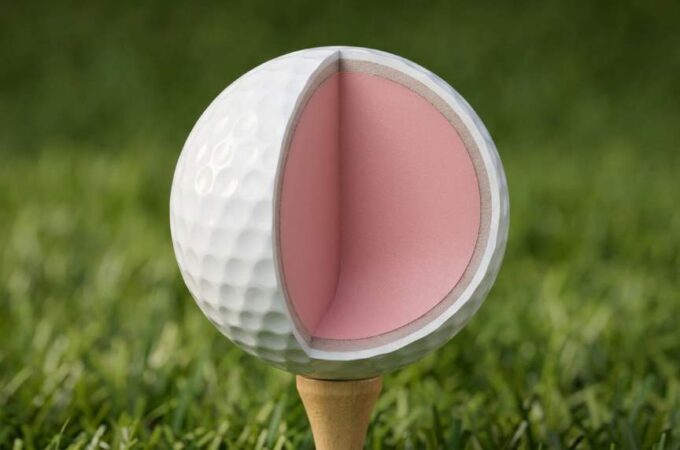
The HyperElastic SoftFast Core helps create faster ball speed while preserving the signature soft sensation. Consequently, golfers with moderate swing speeds can compress the ball more efficiently.
You also notice the difference during putting and short pitches, where Supersoft produces a distinctly cushioned response. That sensation can make the ball feel more controlled, particularly for players who dislike firm impact feedback.
The Hybrid Cover Adds Practical Versatility
Supersoft uses a Hybrid Cover designed to combine soft feel, distance, durability, and improved control. Therefore, the ball does more than simply chase softness.
The cover also helps the ball withstand normal recreational play while maintaining its performance characteristics. That balance makes Supersoft particularly appealing when golfers lose or replace balls regularly.
Why Low Compression Matters for Your Swing
Compression describes how much the ball deforms when your club strikes it. A softer construction generally allows moderate-speed swings to interact efficiently with the ball.
However, compression alone should never determine your purchase. Your swing speed, launch conditions, typical miss, preferred feel, and short-game expectations matter more.
Slower and Moderate Swings Can Benefit
Golfers with slower or moderate swing speeds often struggle to optimize firmer golf balls. Supersoft can provide a more responsive launch without demanding maximum clubhead speed.
As a result, players may experience easier elevation and useful carry through longer clubs. The benefit becomes especially noticeable when a golfer previously used an unnecessarily firm ball.
Fast Swingers Should Test Before Switching
Faster swingers should not automatically assume that softer means longer. A ball that feels excellent may still fail to match your preferred launch and spin profile.
Therefore, test Supersoft against your current ball using identical clubs and comparable strikes. Compare carry, total distance, curvature, approach control, and putting feel before making your decision.
Distance Without an Aggressive Swing
Supersoft focuses on efficient speed rather than demanding a powerful swing. That philosophy makes it attractive for golfers who prioritize playable distance over maximum tour-level performance.
Its construction can help produce a high, useful flight with relatively controlled long-game spin. Consequently, moderate-speed golfers can achieve a practical combination of carry and accuracy.
Still, no golf ball can compensate for poor contact or an inefficient swing path. Instead, Supersoft works best when its characteristics complement the golfer’s existing motion.
Forgiveness Can Matter More Than Raw Distance
Golfers frequently evaluate balls by maximum distance, yet dispersion often influences scores more strongly. A slightly shorter ball that stays closer to the intended line can create better scoring opportunities.
Supersoft’s low-spin tendencies can help moderate excessive curvature on longer shots. Therefore, golfers who frequently fight slices or hooks may appreciate its more manageable flight.
This does not mean Supersoft eliminates sidespin or fixes swing flaws. Rather, its performance profile can make certain misses less punishing than highly spinning alternatives.
How Supersoft Performs Around the Green
The short game reveals the most important compromise behind Supersoft’s design. Its ionomer-based cover does not provide the same greenside friction as premium urethane covers.
Consequently, golfers should expect useful control without expecting every wedge shot to stop immediately. Players who naturally play bump-and-run shots may actually prefer this predictable release.
Approach Shots
Supersoft provides a comfortable blend of feel and control for routine approach shots. Its cover design also aims to improve control compared with older soft-distance constructions.
Nevertheless, golfers who intentionally attack tight pins with high-spinning wedges may prefer another ball. Your scoring style should determine whether additional spin justifies a higher purchase price.
Chips and Pitches
For chips, Supersoft offers a soft sensation with predictable forward movement after landing. This behavior works particularly well for golfers who already use rollout as part of their short-game strategy.
However, players who depend on aggressive checking action should test a urethane ball first. That simple comparison can reveal whether Supersoft provides enough stopping power for your game.
Putting Feel
Putting represents another area where personal preference matters greatly. Supersoft’s soft construction creates a muted impact that many recreational golfers find comfortable.
If you prefer a crisp, firm strike from the putter face, another ball may feel more responsive. Therefore, roll several putts before judging the ball entirely from full-swing performance.
Supersoft Compared With Popular Alternatives
Several competitors target the same golfer who wants softness, forgiveness, and reasonable pricing. However, each model creates a slightly different performance compromise.
| Golf Ball | Primary Strength | Typical Feel | Best Match |
|---|---|---|---|
| Callaway Supersoft | Soft feel and easy distance | Very soft | Moderate-speed recreational golfers |
| Srixon Soft Feel | Soft distance and balanced flight | Soft | Players wanting a responsive value ball |
| Titleist TruFeel | Distance with controlled feel | Soft | Golfers wanting a softer Titleist option |
| Bridgestone e12 | Reduced curvature and consistency | Soft to moderate | Golfers prioritizing directional control |
| Callaway Chrome Soft | Premium feel and greenside performance | Soft | Players demanding stronger short-game control |
Supersoft stands out when soft feel, easy launch, and value matter more than maximum greenside spin. Meanwhile, premium alternatives make more sense when short-game performance drives your scoring strategy.
Where Supersoft Has an Advantage
The strongest reason to choose Supersoft involves its overall balance rather than one isolated specification. Few recreational golfers need a ball optimized for professional-level shotmaking.
Instead, they need something comfortable, durable, reasonably long, and forgiving enough for inconsistent contact. Supersoft addresses those practical needs without pushing the price into premium territory.
It Makes Sense for New Golfers
Beginners lose golf balls frequently, especially while developing consistent contact and directional control. Spending premium prices on every ball can therefore become an unnecessary expense.
Supersoft gives new players a capable ball while leaving more room in the equipment budget. Moreover, its soft feel can make early practice sessions more enjoyable.
It Fits Many Recreational Players
Weekend golfers often prioritize enjoyment, consistency, and reasonable performance over specialized launch conditions. Supersoft matches that mindset particularly well.
Additionally, its broad availability makes replacing lost balls simple. You can maintain consistency by purchasing the same model rather than constantly switching between inexpensive alternatives.
It Works Well for Value-Conscious Golfers
Golf balls represent a recurring equipment expense, so value matters beyond the initial purchase. Supersoft offers performance characteristics that justify regular play without requiring premium-ball pricing.
That equation becomes even more attractive for golfers who frequently lose balls during rounds. You can focus on your game instead of worrying about every wayward shot.
When You Should Choose Another Golf Ball
Supersoft does not fit every golfer, and recognizing its limitations improves the buying decision. The wrong ball can undermine otherwise excellent equipment and technique.
- Choose a premium urethane ball if you demand strong wedge and greenside spin.
- Test firmer models if you generate high clubhead speed and prefer crisp feedback.
- Consider specialized distance balls if maximum driver carry dominates your priorities.
- Compare lower-compression alternatives if Supersoft feels too soft during impact.
- Test multiple models when your current ball produces inconsistent launch conditions.
These limitations do not make Supersoft inferior; they simply define its intended performance window. The best golf ball always matches the golfer rather than the marketing category.
How to Decide if Supersoft Fits Your Game
Start by identifying your most common ball-flight problem instead of choosing based on brand popularity. Then consider whether you need more distance, less curvature, softer feel, or stronger stopping power.
Use This Simple Decision Process
- Identify your typical driver swing speed or estimate your general swing tempo.
- Decide whether you prefer soft or firm impact feedback.
- Observe whether your longer shots curve excessively.
- Evaluate how much wedge spin you normally create.
- Compare Supersoft against your current ball on the same course.
- Choose the model that produces the most useful overall performance.
For a meaningful comparison, hit several drives, mid-irons, wedges, chips, and putts with each ball. Record carry, dispersion, trajectory, feel, and stopping behavior rather than relying on memory.
Why Course Conditions Can Influence Your Choice
Temperature, wind, turf firmness, and green conditions can change how a golf ball performs. Therefore, one ball may feel better during one season than another.
Cold conditions can make golf balls feel firmer and reduce overall performance. Supersoft’s low-compression design can remain attractive when temperatures make harder-feeling balls less comfortable.
Meanwhile, firm greens can expose the limits of lower-spinning ionomer balls. If your home course demands aggressive stopping power, test Supersoft against a urethane alternative before committing.
How to Get More From Your Supersoft
Once you choose Supersoft, consistency becomes more important than constantly testing new models. Use the same ball across several rounds so you can understand its predictable flight.
- Keep several identical balls in your bag for consistent performance.
- Clean the cover regularly to maintain predictable contact.
- Mark your ball clearly to avoid unnecessary confusion during play.
- Replace balls with significant cuts, deep scuffs, or visible damage.
- Track your typical carry distance with the same ball and club.
Also, pay attention to your misses rather than only your best shots. A ball that produces repeatable results can help you make better club and target decisions.
The Value Proposition Beyond Price
Price matters, but value means more than paying less per dozen. A useful golf ball should support your playing style while remaining affordable enough for regular use.
Supersoft achieves that balance by combining soft feel, distance-oriented construction, durability, and accessible pricing. Therefore, it can serve as a dependable everyday ball rather than a temporary budget solution.
That distinction matters for golfers who want equipment they can trust. When your ball behaves predictably, you can spend more attention on strategy, contact, and course management.
Who Should Pick Callaway Supersoft?
Pick Supersoft if you want a soft-feeling ball that launches easily and delivers dependable everyday distance. It particularly suits beginners, seniors, moderate-speed swingers, and recreational golfers seeking value.
It also makes sense for players who prefer manageable long-game spin over aggressive curvature. Furthermore, golfers who frequently lose balls can appreciate its combination of performance and replacement cost.
However, golfers who rely heavily on wedge spin should compare a urethane model first. Likewise, very fast swingers should test firmer options before deciding that Supersoft provides their ideal launch conditions.
Final Verdict
Callaway Supersoft earns its place as a practical choice because it solves several everyday golfing problems at once. It combines soft feel, accessible distance, manageable flight, durability, and useful value in one straightforward package.
Its main compromise involves greenside spin, particularly when compared with premium urethane golf balls. Still, that limitation rarely outweighs its advantages for golfers who prioritize comfort, forgiveness, and consistent recreational performance.
If those qualities match your game, put Supersoft into your next practice session and compare it against your current ball. Track your launch, dispersion, short-game behavior, and putting feel, then choose based on your actual results.
Frequently Asked Questions
Are Callaway Supersoft golf balls good for beginners?
Yes, Supersoft suits beginners because its soft feel, easy launch, manageable flight, and reasonable price support developing golfers.
Are Callaway Supersoft golf balls good for slow swing speeds?
Yes, the low-compression construction can help slower and moderate swings launch the ball efficiently.
Do Supersoft golf balls provide good greenside spin?
They provide useful short-game control, but urethane-covered balls generally offer stronger greenside spin and stopping power.
Are Supersoft golf balls good for high handicappers?
Yes, high handicappers can benefit from their soft feel, manageable long-game spin, forgiving flight, and everyday value.
Should fast swingers use Callaway Supersoft?
Fast swingers can use Supersoft, but they should test launch, distance, and spin against firmer alternatives before committing.