G Gradual Womens Sun Shirt: How It Prevents Sunburn
A G Gradual Womens Sun Shirt helps prevent sunburn by covering skin with UPF 50+ fabric. Its long sleeves reduce direct UVB exposure while the lightweight construction encourages consistent outdoor wear. About one in five Americans develop skin cancer during their lifetime. Additionally, more than one in three adults reported sunburn in 2023. These figures show why practical protection matters beyond occasional sunscreen use. A well-designed sun shirt creates a physical barrier that works continuously while worn. However, it should complement sunscreen, shade, hats, and other sun-safe habits.
Key Takeaways
- UPF 50+ fabric limits the amount of ultraviolet radiation reaching covered skin.
- Long sleeves protect more arm skin than short-sleeve everyday clothing.
- Thumbholes can help keep sleeves positioned over the wrists during movement.
- Lightweight polyester can improve comfort during warm outdoor activities.
- Loose, secure coverage matters because stretched or shifted fabric can reduce protection.
- The shirt cannot protect uncovered areas, so sunscreen remains essential.

Why Sunburn Happens Even During Everyday Activities
Sunburn develops when ultraviolet radiation damages skin after excessive exposure. UVB rays play the primary role in producing the redness and inflammation associated with sunburn. However, people often underestimate exposure during walking, hiking, gardening, boating, and outdoor sports. Short periods outside can accumulate into substantial exposure across an entire day.
Furthermore, reflective surfaces can increase exposure around water, sand, and snow. Clouds also fail to eliminate ultraviolet radiation completely. Therefore, effective protection should remain consistent whenever you spend meaningful time outdoors.
How a Sun Shirt Creates a Physical UV Barrier
Unlike sunscreen, a sun shirt does not require repeated application to covered skin. Instead, the fabric physically limits how much ultraviolet radiation reaches the skin underneath. UPF measures how effectively fabric reduces ultraviolet transmission through the material.
A UPF 50 rating means approximately one-fiftieth of ultraviolet radiation can pass through suitable fabric. That translates to roughly 98% of UV radiation being blocked by the rated material. Consequently, UPF 50+ clothing provides a strong barrier for areas covered by the garment.
UPF Matters More Than Ordinary Fabric Thickness
A thick shirt does not automatically provide reliable ultraviolet protection. Fabric construction, fiber characteristics, density, color, and finishing can all influence UV transmission. Therefore, choosing clothing with a stated UPF rating gives shoppers a more useful protection benchmark.
Additionally, ordinary cotton clothing can become less protective when it stretches or becomes wet. Specialized sun shirts address protection as a central design feature. That distinction makes UPF-rated clothing particularly useful for extended outdoor activities.
How the G Gradual Design Helps Reduce Sun Exposure
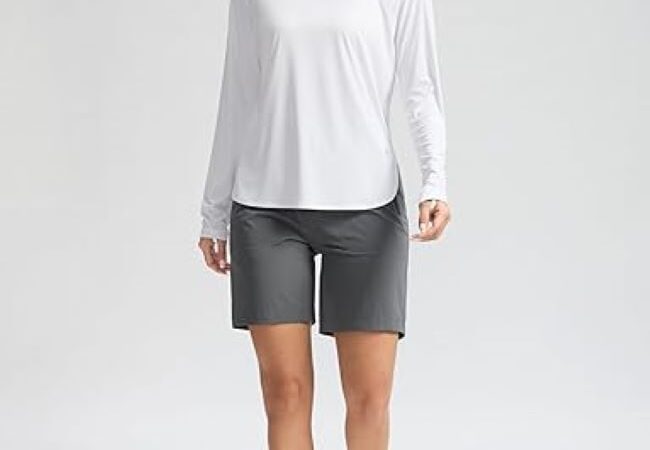
The G Gradual women’s sun shirt combines several practical design features for outdoor coverage. Product listings describe UPF 50+ protection, long sleeves, lightweight polyester fabric, and quick-drying performance. Those features work together to make covered skin easier to protect consistently.
The shirt also uses thumbholes that help anchor sleeves around the hands and wrists. This detail can reduce sleeve movement during hiking, exercise, or other active movements. As a result, the garment can maintain more consistent coverage around areas that sleeves often expose.
Long Sleeves Cover Commonly Exposed Areas
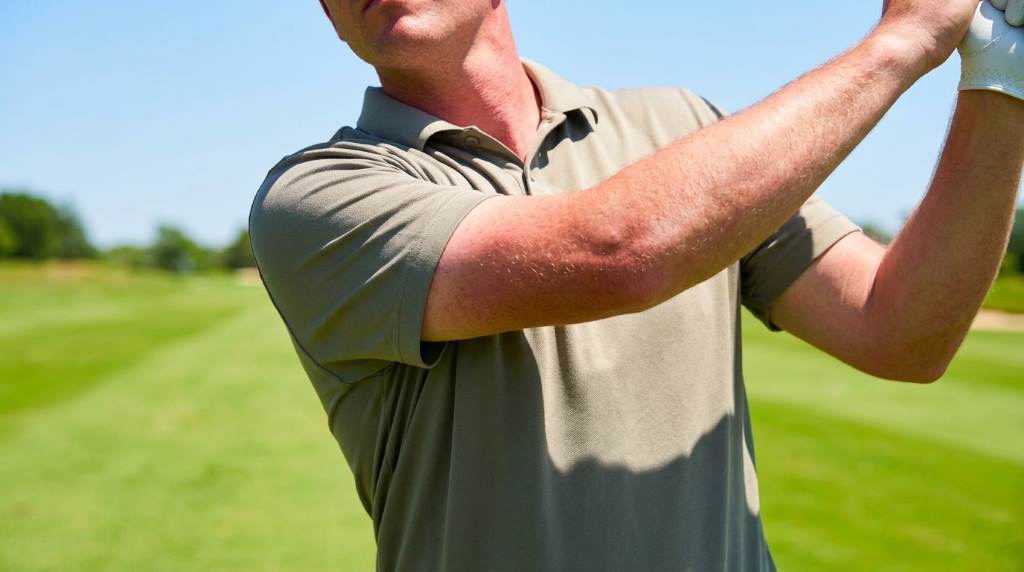
Short sleeves leave the shoulders, upper arms, and forearms vulnerable to direct sunlight. Long sleeves create a continuous fabric barrier across most of the arm. Therefore, they can reduce the amount of exposed skin requiring direct sunscreen application.
However, sleeve coverage only works when the fabric remains over the intended area. Rolling sleeves upward or pulling them tightly can change the effective coverage. For maximum protection, wear the sleeves naturally and avoid unnecessary bunching.
Thumbholes Help Keep Coverage Stable
Thumbholes provide a simple solution to sleeve movement during active use. They help prevent sleeves from riding upward when you reach, paddle, exercise, or hike. Consequently, the wrists can remain covered for longer periods.
Still, thumbholes do not replace hand protection. Your fingers and uncovered hands can receive substantial sunlight during outdoor activities. Apply sunscreen to exposed hands and consider additional protective accessories when appropriate.
Why Fit Directly Affects Sun Protection
Fit influences how effectively a sun shirt performs during real outdoor use. A comfortable fit encourages people to keep the garment on instead of removing it because of heat or restriction. At the same time, excessive stretching can affect fabric coverage and potentially alter UV protection.
Therefore, choose a size that provides comfortable movement without pulling tightly across the body. Check the manufacturer’s current measurements before ordering. Body shape, preferred layering, and activity level should also influence your size decision.
Loose Does Not Mean Excessively Oversized
A slightly relaxed fit can improve airflow during warm weather. However, excessive looseness can cause sleeves and hems to shift during movement. The best fit balances mobility, airflow, coverage, and stable positioning.
Before outdoor use, raise your arms and rotate your shoulders. Check whether the sleeves remain comfortable and whether the hem stays reasonably positioned. This simple test can reveal fit problems before a long day outside.
How Fabric Comfort Supports Better Sun Protection
Sun protection only works when people consistently use protective clothing. Heavy, hot, or uncomfortable garments can encourage users to remove them during peak sunlight. Lightweight construction can therefore improve practical protection by making continued wear easier.
G Gradual listings describe the shirt as lightweight, breathable, moisture-friendly, and quick drying. Polyester also offers useful durability for active outdoor clothing. Together, these characteristics can make the shirt suitable for hiking, workouts, travel, beach activities, and casual outdoor use.
Quick-Drying Fabric Can Matter During Activity
Sweat can make outdoor clothing feel uncomfortable during prolonged activity. Quick-drying fabric helps moisture move away from the skin and evaporate more readily. Consequently, the shirt can feel more manageable during exercise or humid conditions.
Nevertheless, moisture management should not become confused with UV protection. A shirt can feel cool without providing meaningful ultraviolet protection. Always prioritize the garment’s stated UPF rating when evaluating sun-protective clothing.
When a G Gradual Sun Shirt Works Best
This type of shirt works particularly well when you expect prolonged outdoor exposure. Hiking, walking, gardening, fishing, travel, golf, and recreational activities can all benefit from added fabric coverage. It can also reduce the amount of sunscreen needed on covered skin.
- Hiking: Long sleeves help protect your arms during extended trail exposure.
- Beach days: The lightweight design can provide coverage without heavy layering.
- Gardening: Consistent sleeve coverage protects arms during repeated outdoor tasks.
- Travel: Quick-drying fabric can simplify packing and repeated outdoor wear.
- Outdoor workouts: Thumbholes can help keep sleeves stable during movement.
Even so, the shirt cannot provide complete-body protection by itself. Your face, neck, ears, hands, and other exposed areas still need protection. Pairing clothing with sunscreen and shade creates a more complete strategy.
What the Sun Shirt Cannot Protect
No shirt can protect every part of your body from sunlight. The face, ears, neck, hands, lower legs, and feet may remain exposed depending on your outfit. Therefore, treating a sun shirt as complete sun protection creates a dangerous false sense of security.
Instead, think of the shirt as one layer within a broader protection system. Wear a wide-brimmed hat, sunglasses, and suitable clothing when conditions demand additional coverage. Apply broad-spectrum SPF 30 or higher sunscreen to uncovered skin.
Do Not Skip Sunscreen on Exposed Skin
Apply sunscreen before going outside and cover every exposed area thoroughly. Reapply approximately every two hours during outdoor exposure. Swimming, sweating, and towel drying can require earlier reapplication.
Also remember areas that people commonly overlook. Ears, necklines, hands, feet, and exposed portions of the face deserve the same attention as larger areas. A sun shirt reduces exposed skin, but it does not eliminate these responsibilities.
How to Get Better Protection From the Shirt
Start by selecting the correct size and checking the garment before leaving home. Make sure sleeves cover your arms comfortably without excessive stretching. Keep the fabric positioned naturally rather than rolling or pushing it toward your elbows.
- Check the UPF rating before purchasing.
- Choose a size that allows comfortable movement.
- Keep sleeves fully extended during peak exposure.
- Use thumbholes when they improve sleeve stability.
- Apply sunscreen to every uncovered area.
- Seek shade during periods of intense sunlight.
- Inspect the garment regularly for significant wear or damage.
Additionally, avoid relying on clothing alone during unusually intense exposure. Take breaks in shade when possible, especially during prolonged outdoor activities. Combining physical barriers with behavioral protection creates stronger overall sun safety.
Does Washing Affect Sun Shirt Performance?
Care instructions matter because fabric condition can influence long-term garment performance. Follow the manufacturer’s washing instructions rather than assuming every sun shirt tolerates identical treatment. Avoid unnecessary practices that can damage fibers, seams, or the garment’s overall structure.
Inspect the shirt periodically after repeated washing and outdoor use. Look for thinning fabric, stretched areas, holes, or permanent deformation. If the material becomes visibly compromised, consider replacing the garment rather than assuming its original protection remains unchanged.
Why Fabric Condition Deserves Attention
Sun-protective clothing depends on physical fabric characteristics. Damage or excessive stretching can change how closely the material performs compared with its original condition. Therefore, maintaining the garment helps preserve its practical value over time.
However, avoid making assumptions about protection based only on appearance. Always follow the product’s care guidance and stated performance claims. When protection becomes uncertain, add stronger complementary measures instead of taking unnecessary risks.
G Gradual Sun Shirt Versus Ordinary Long-Sleeve Shirts
| Feature | G Gradual Sun Shirt | Ordinary Long-Sleeve Shirt |
|---|---|---|
| UPF rating | Listed as UPF 50+ | May have no stated UPF rating |
| Sun protection focus | Designed specifically for outdoor UV coverage | Usually designed primarily for everyday wear |
| Sleeve coverage | Long sleeves with thumbholes | Depends on the garment design |
| Moisture management | Designed for lightweight, quick-drying use | Varies widely by fabric |
| Outdoor activity | Designed for hiking, workouts, and recreation | Performance depends on construction |
The key difference involves intentional sun protection rather than simply having sleeves. A UPF-rated garment provides shoppers with a specific performance indicator. Ordinary clothing may still block sunlight, but its protection can vary considerably.
Common Mistakes That Reduce Sun Protection
Many people choose sun-protective clothing but still use it incorrectly. One common mistake involves pulling sleeves upward whenever the weather feels warm. Another involves assuming a shirt protects areas that the garment does not cover.
- Do not assume every long-sleeve shirt provides high UV protection.
- Do not stretch the garment excessively across the body.
- Do not leave wrists exposed unnecessarily during peak sunlight.
- Do not skip sunscreen on uncovered skin.
- Do not ignore severe fabric wear or damage.
- Do not treat UPF clothing as a substitute for shade.
Furthermore, comfort should not replace protection when choosing outdoor clothing. A comfortable shirt with no verified UV rating may offer uncertain protection. Instead, prioritize a documented UPF rating alongside fit, breathability, and coverage.
Who Should Consider Wearing One?
Anyone who spends significant time outdoors can benefit from UPF-rated clothing. It becomes especially useful for people who dislike repeatedly applying sunscreen across large areas. Outdoor workers, hikers, travelers, gardeners, and recreational athletes may find it particularly practical.
It can also help people build simpler sun-protection routines. Covering the arms with protective fabric removes some exposed skin from the sunscreen routine. That convenience can make consistent protection easier during long outdoor days.
The Smartest Way to Use a Sun Shirt
The most effective approach combines clothing, sunscreen, shade, and sensible timing. Wear the G Gradual shirt over covered areas while applying broad-spectrum SPF 30 or higher elsewhere. Then seek shade whenever practical during periods of intense sunlight.
Think of the shirt as your first physical barrier rather than your only defense. This approach reduces reliance on perfect sunscreen application while protecting covered skin consistently. More importantly, it creates a routine that remains practical during real outdoor activities.
Frequently Asked Questions
Does the G Gradual Womens Sun Shirt prevent sunburn?
Yes, its listed UPF 50+ fabric can substantially reduce UV exposure and help prevent sunburn on covered skin.
Is UPF 50+ enough for strong sunlight?
UPF 50+ provides strong fabric-based protection, but you should still use sunscreen, shade, and other protective measures.
Do I need sunscreen under the G Gradual sun shirt?
You generally do not need sunscreen on properly covered fabric areas, but apply it generously to uncovered skin.
Do thumbholes improve sun protection?
Yes, thumbholes can help keep sleeves positioned around the wrists during active movement.
Can I wear this sun shirt for hiking?
Yes, its listed lightweight, quick-drying construction and long sleeves suit hiking and other outdoor activities.
Final Verdict
A G Gradual women’s sun shirt helps prevent sunburn by creating a UPF 50+ physical barrier over covered skin. Its long sleeves, lightweight construction, and sleeve-stabilizing thumbholes make consistent coverage easier during outdoor activities.
Still, no sun shirt replaces complete sun protection. Choose the correct fit, maintain the garment properly, use sunscreen on exposed skin, and seek shade when possible. If you spend long hours outdoors, adding a UPF-rated shirt to your routine offers a practical step toward more consistent protection.
Ready to improve your outdoor sun-protection routine? Choose a properly fitted UPF-rated shirt, pair it with broad-spectrum sunscreen, and make shade part of your daily strategy.