How to Choose a Golf Rangefinder for Accurate Distance Measurement
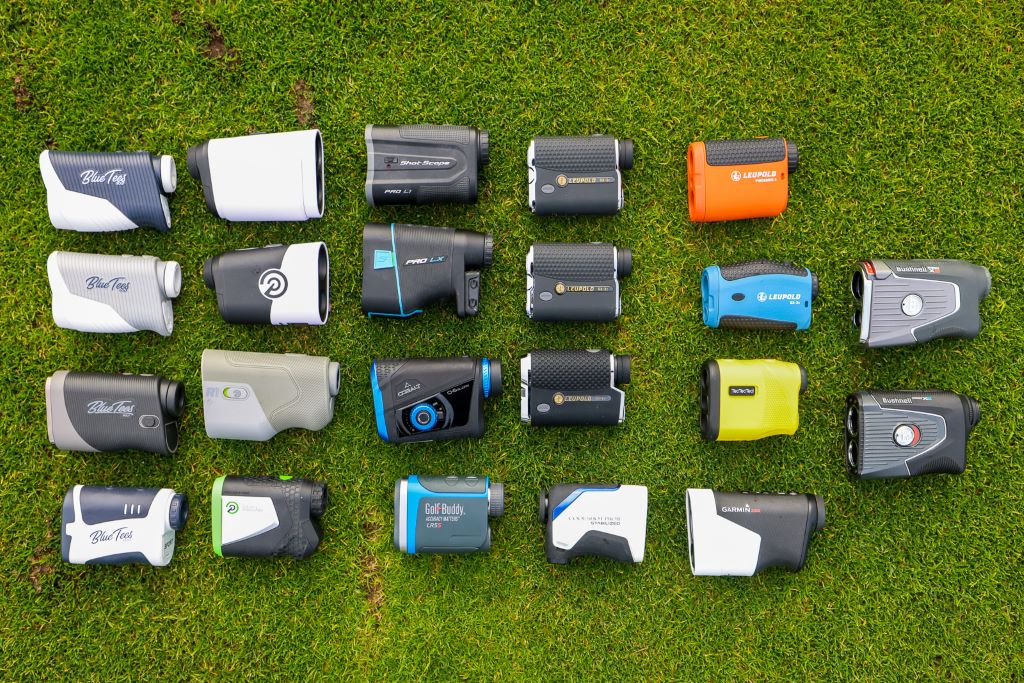
Golf is a game of precision, and knowing the exact distance to your target can make all the difference between a great shot and a missed opportunity. Whether you’re a beginner or a seasoned pro, a golf rangefinder is an essential tool for improving accuracy and confidence on the course. With so many options available, choosing the right rangefinder can feel overwhelming.
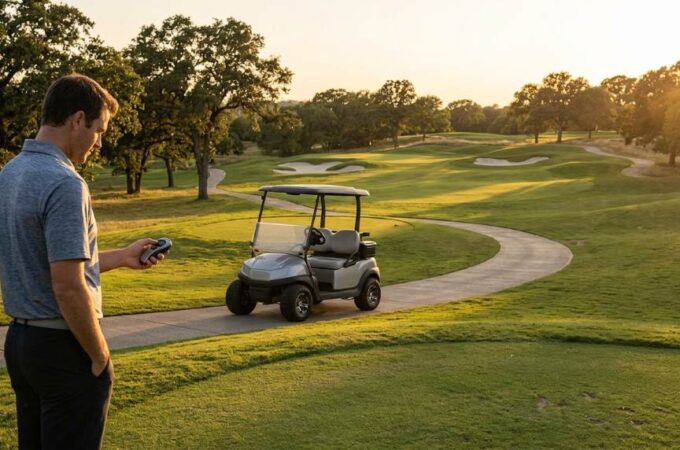
I remember my first round using a rangefinder. Before that, I relied on yardage markers and guesswork, which often led to inconsistent shots. Once I started using a rangefinder, my club selection improved, and my scores dropped noticeably. If you’re ready to take your game to the next level, exploring the best golf rangefinder options is a great place to start.
Why a Golf Rangefinder Matters
A golf rangefinder provides precise distance measurements to flags, hazards, and other targets on the course. This accuracy helps you choose the right club, improve your shot selection, and ultimately lower your scores. Rangefinders are especially useful in unfamiliar courses or when playing in varying weather conditions.
Modern rangefinders use advanced laser technology to measure distances with incredible precision. Many models also include features like slope compensation, which adjusts distances based on elevation changes. According to industry trends, golfers who use rangefinders consistently report improved confidence and better performance on the course.
Types of Golf Rangefinders
1. Laser Rangefinders
Laser rangefinders are the most popular type among golfers. They work by emitting a laser beam that bounces off the target and returns to the device, calculating the distance based on the time it takes for the beam to return. Laser rangefinders are known for their accuracy and reliability.
Pros:
- Highly accurate, often within one yard
- Works well in various lighting conditions
- No subscription or additional fees required
Cons:
- Requires a steady hand to lock onto the target
- Can be affected by weather conditions like fog or rain
2. GPS Rangefinders
GPS rangefinders use satellite technology to provide distances to preloaded course features, such as greens, hazards, and fairway landmarks. They often come with detailed course maps and can track your progress during a round.
Pros:
- Provides distances to multiple targets at once
- No need to aim at a specific point
- Often includes additional features like score tracking
Cons:
- Requires course maps to be preloaded or updated
- May have subscription fees for premium features
- Less accurate than laser rangefinders for pinpoint distances
3. Hybrid Rangefinders
Hybrid rangefinders combine laser and GPS technology, offering the best of both worlds. They provide precise laser distances to specific targets while also displaying GPS-based yardages to course features.
Pros:
- Combines accuracy of laser with convenience of GPS
- Versatile for various course conditions
- Often includes advanced features like slope adjustment
Cons:
- Typically more expensive than single-technology models
- May require more frequent updates or subscriptions
Key Features to Consider
Accuracy
Accuracy is the most important feature of any rangefinder. Look for models that provide measurements within one yard of the actual distance. Laser rangefinders are generally the most accurate, but high-quality GPS and hybrid models can also deliver reliable results.
Slope Compensation
Slope compensation adjusts the distance based on elevation changes between you and your target. This feature is especially useful on hilly courses, where the actual distance to the pin may differ significantly from the horizontal distance. However, note that slope compensation is not legal in tournament play, so many rangefinders offer a toggle to turn this feature on or off.
Magnification
Magnification helps you see the target more clearly, making it easier to lock onto flags or hazards. Most rangefinders offer 5x to 7x magnification, which is sufficient for most golfers. Higher magnification can be useful for long-distance shots but may require a steadier hand.
Ease of Use
A rangefinder should be intuitive and easy to use. Look for models with simple button layouts, clear displays, and quick target acquisition. Some rangefinders also feature voice confirmation or vibration feedback to indicate when the target is locked.
Battery Life
Battery life is crucial, especially if you play multiple rounds in a week. Opt for rangefinders with long-lasting batteries or rechargeable options. Lithium batteries are common and provide reliable power for extended use.
Durability and Weather Resistance
Golf is played in all kinds of weather, so your rangefinder should be durable and weather-resistant. Look for models with waterproof or water-resistant construction, as well as shock-resistant designs to handle accidental drops.
Size and Portability
A compact, lightweight rangefinder is easier to carry and use on the course. Consider the size and weight of the device, especially if you prefer to walk during your rounds. Many rangefinders come with carrying cases or clips for easy attachment to your bag or belt.
Additional Features
Some rangefinders offer extra features that can enhance your experience:
- Pin-Seeking Technology: Helps lock onto the flag quickly, even with obstacles in the background.
- Scan Mode: Allows you to pan across the landscape and see continuous distance readings.
- Jolt or Vibration Feedback: Confirms when the laser has locked onto the target.
- Display Options: Choose between LCD and OLED displays for clarity in different lighting conditions.
How to Use a Golf Rangefinder
Using a golf rangefinder is straightforward, but there are a few tips to ensure accurate readings:
- Stabilize Your Hand: Hold the rangefinder steady with both hands or rest it on a stable surface to avoid shaky readings.
- Aim Carefully: Point the rangefinder directly at your target, such as the flagstick or a hazard.
- Lock Onto the Target: Press the button to emit the laser and wait for the device to lock onto the target. Some models will vibrate or beep to confirm.
- Read the Distance: Check the display for the distance measurement. If your rangefinder has slope compensation, note both the actual and adjusted distances.
- Practice: Spend time practicing with your rangefinder to become familiar with its features and ensure quick, accurate readings during your rounds.
Common Mistakes to Avoid
- Not Calibrating Properly: Always ensure your rangefinder is calibrated correctly, especially if it has slope compensation.
- Ignoring Weather Conditions: Fog, rain, or bright sunlight can affect accuracy. Be mindful of these conditions and adjust your expectations accordingly.
- Relying Solely on Distance: While distance is crucial, consider other factors like wind, lie, and course conditions when selecting your club.
- Skipping the Manual: Take the time to read the user manual to understand all the features and settings of your rangefinder.
- Not Practicing: Like any tool, a rangefinder requires practice to use effectively. Spend time on the driving range or practice green to get comfortable with your device.
FAQs
What is the difference between a laser and GPS rangefinder?
Laser rangefinders use a laser beam to measure the exact distance to a specific target, offering high precision. GPS rangefinders use satellite data to provide distances to preloaded course features, such as greens and hazards, but may lack the pinpoint accuracy of laser models.
Are golf rangefinders legal in tournaments?
Most golf tournaments allow the use of rangefinders, but they must not have slope compensation enabled during play. Always check the specific rules of the tournament or course before using your rangefinder.
How accurate are golf rangefinders?
High-quality golf rangefinders are accurate within one yard. Laser rangefinders tend to be the most precise, while GPS models may vary slightly depending on satellite signal strength and course mapping.
Can I use a golf rangefinder in the rain?
Many rangefinders are water-resistant or waterproof, allowing you to use them in light rain. However, heavy rain or fog can interfere with laser accuracy. Always check the manufacturer’s specifications for weather resistance.
Do I need a rangefinder with slope compensation?
Slope compensation is useful for adjusting distances based on elevation changes, which can be particularly helpful on hilly courses. However, this feature is not legal in tournament play, so look for a rangefinder that allows you to toggle slope compensation on and off.
Conclusion
Choosing the right golf rangefinder can significantly improve your accuracy and confidence on the course. By understanding the different types of rangefinders and key features to consider, you can find a model that matches your needs and enhances your game.
Investing in a quality rangefinder is an investment in your golf performance. Take the time to research, test, and choose a rangefinder that will help you make smarter decisions and lower your scores.
Have you used a golf rangefinder before? Share your experiences or favorite models in the comments below! And if you found this guide helpful, don’t forget to share it with your fellow golfers.