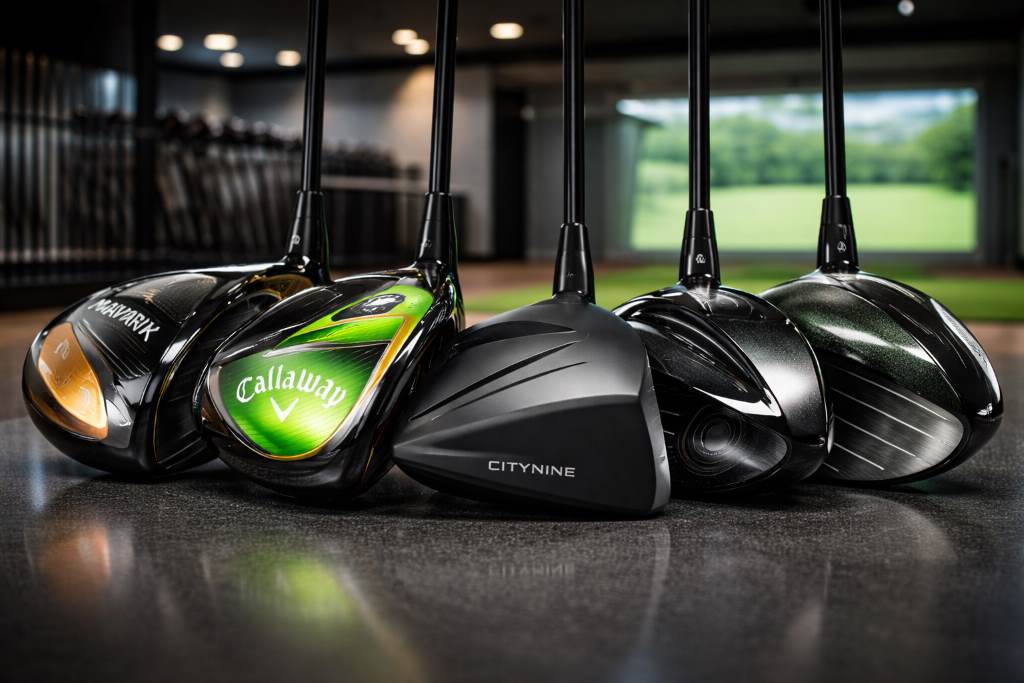
Best Callaway Driver for High Handicapper in 2026
Many golfers struggle most with the driver. According to the United States Golf Association handicap statistics, recreational golfers with handicaps above 20 miss the fairway on more than half of their tee shots. Equipment can play a meaningful role in reducing that margin of error. Driver design now focuses heavily on forgiveness, launch stability, and off center strike correction.
Callaway has invested heavily in these areas over the last decade. Modern models use advanced face shaping and weight positioning to stabilize mishits and help players produce higher launch with less spin loss. For high handicap players, that often means straighter shots and more consistent distance.
This guide examines the best callaway driver for high handicappers that real players often consider when searching for forgiveness and control. Each option offers a different balance of stability, feel, and ease of use.
A Quick Overview of The Best Best Callaway Driver for High Handicapper
Several of the best callaway driver for high handicappers stand out for their forgiving design and practical playability.
- Callaway Big Bertha B21 Driver
- Callaway MAVRIK 22 Driver
- Callaway Epic Flash Driver
- Callaway Golf Great Big Bertha 23 Golf Driver
- FURTHER FASTER Golf Driver for Men
- Pinemeadow PGX Offset Golf Driver
Best Best Callaway Driver for High Handicapper of 2026
Drivers designed for forgiveness typically emphasize stability, higher launch, and larger sweet spots. The following models approach that goal in slightly different ways.
Callaway Big Bertha B21 Driver
Forgiveness focused draw biased driver
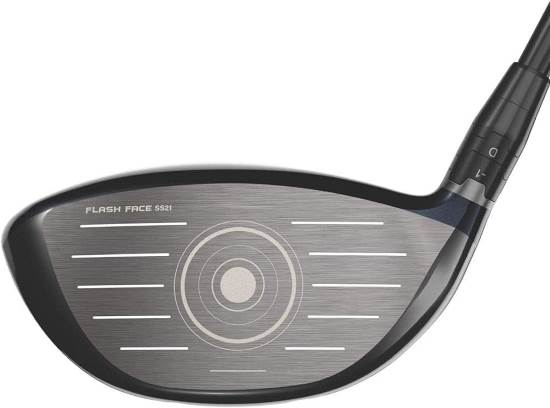
The Big Bertha B21 feels purpose built for golfers who struggle with slices. When you address the ball, the head shape looks confidence inspiring without appearing bulky. The draw bias becomes noticeable during play. Shots that normally leak right tend to start straighter and stay closer to the target line.
The 460cc head helps stabilize off center hits. Mishits toward the heel or toe still carry reasonable distance. The lightweight graphite shaft also helps players with moderate swing speeds generate easier launch.
This driver suits golfers who frequently lose distance from slice spin. It performs especially well on wider courses where maximizing carry distance matters more than shaping shots.
Maintenance stays simple. Keep the face clean and check the adjustable hosel periodically. Players who prefer heavy head feel or extremely low spin trajectories may find this driver less suitable.
User Review
Mark T., weekend golfer
“I used to fight a slice almost every round. After switching to the B21, my drives started staying in play much more often. The club feels light but still solid at impact. It does not magically fix everything, but it definitely reduced my big misses.”
Key Features
Forgiveness: Large sweet spot reduces penalty on off center hits and helps maintain distance.
Launch Assistance: Weight placement encourages higher launch which benefits slower swing speeds.
Draw Bias: Helps reduce slice tendency common among high handicap golfers.
Shaft Design: Lightweight graphite shaft promotes easier swing acceleration.
Head Stability: 460cc structure improves stability during impact.
Ease of Use: Friendly setup for golfers who prefer simple adjustments.
Maintenance Simplicity: Minimal adjustment system keeps upkeep straightforward.
Feel Feedback: Soft but noticeable impact feedback aids swing awareness.
Pros and Cons
| Pros | Cons |
| Very forgiving face design | Limited shot shaping control |
| Helps reduce slice spin | Light feel not for everyone |
| Easy launch for beginners | Not built for fast swings |
Callaway MAVRIK 22 Driver
Balanced performance and forgiveness
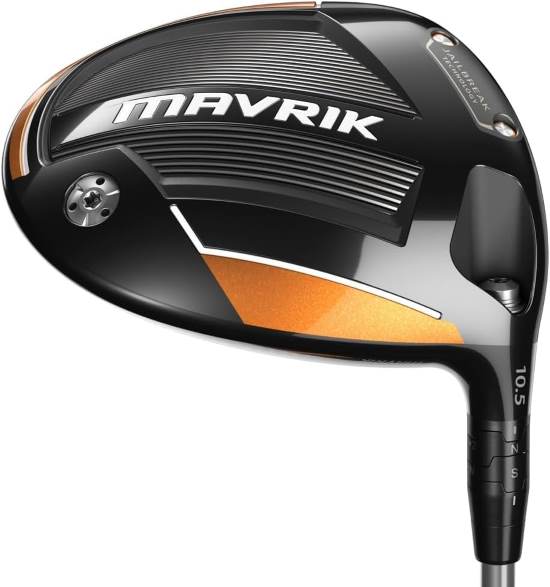
The MAVRIK 22 offers a balanced feel between forgiveness and control. At address, the head looks streamlined with a slightly stretched back profile that supports stability. The sound at impact feels crisp without being overly loud.
During real play, the driver produces consistent launch with moderate spin. Players who struggle with inconsistent strike locations will notice that distance loss stays fairly small across the face.
The club works well for golfers transitioning from beginner equipment to more refined drivers. It allows some shot shaping while still maintaining forgiveness.
Cleaning the face regularly keeps performance stable. Because the club relies on face technology for speed, dirt buildup can slightly reduce spin consistency.
Golfers with extremely slow swing speeds may prefer lighter options, but for many players this driver sits comfortably in the middle ground.
User Review
Daniel R., amateur league player
“The MAVRIK feels solid without being intimidating. I noticed my drives became more consistent even when I missed the center. It still gives some feedback so I can tell when my swing needs adjustment.”
Key Features
Face Technology: Engineered face pattern supports ball speed across multiple strike zones.
Stability: Weight distribution helps maintain control during off center contact.
Versatility: Works well for players developing more consistent swings.
Sound Profile: Clean impact sound provides satisfying feedback.
Head Shape: Balanced profile improves alignment confidence.
Distance Retention: Mishits lose less carry distance than many older drivers.
Durability: Strong head construction holds up well through regular play.
Adaptability: Suitable for moderate swing speeds and varied course conditions.
Pros and Cons
| Pros | Cons |
| Consistent distance across face | Not highly draw biased |
| Balanced feel and control | Slightly heavier feel |
| Good for improving players | Less help for slices |
Callaway Epic Flash Driver
Fast face with responsive feel
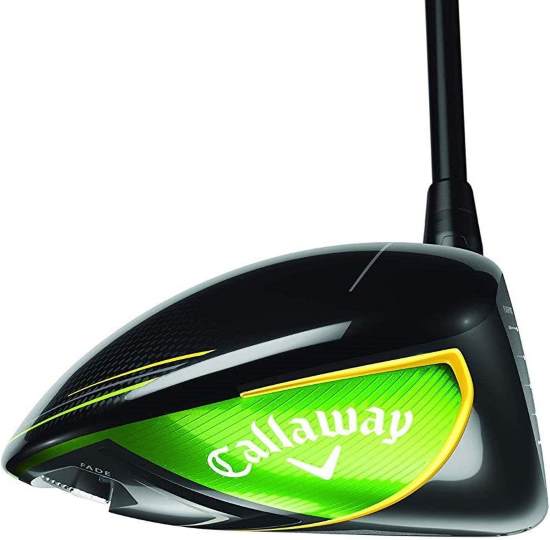
The Epic Flash gained attention for its unique face design. In play, the driver delivers a lively response at impact. Shots struck near the center produce strong ball speed and noticeable carry.
The head maintains decent forgiveness, though it feels slightly more performance oriented compared with the B21. Golfers who already make fairly consistent contact tend to benefit the most.
The Project X EvenFlow shaft provides a smooth loading feel during the swing. Players often notice improved rhythm rather than raw power.
Routine cleaning helps maintain the textured face performance. Avoid leaving the driver in extreme heat since graphite shafts can degrade under prolonged exposure.
This model suits golfers who want forgiveness but still value a lively and responsive strike sensation.
User Review
Chris L., mid handicap player
“I liked the way the Epic Flash responds when you hit it well. Even on small mishits the ball still flies straight enough. It feels a bit more athletic compared with some oversized forgiving drivers.”
Key Features
Face Architecture: Designed to enhance ball speed across the hitting surface.
Impact Feedback: Clear response helps players understand strike quality.
Energy Transfer: Efficient face structure promotes strong carry distance.
Shaft Smoothness: EvenFlow shaft encourages stable swing tempo.
Head Balance: Weight distribution supports consistent trajectory.
Durability: Solid construction resists wear from frequent use.
Visual Alignment: Subtle crown markings aid setup consistency.
Distance Stability: Maintains reasonable carry on imperfect strikes.
Pros and Cons
| Pros | Cons |
| Very responsive face feel | Less slice correction |
| Strong center strike distance | Requires decent contact |
| Smooth shaft loading | Slightly louder impact |
Callaway Golf Great Big Bertha 23 Golf Driver
Lightweight premium distance driver
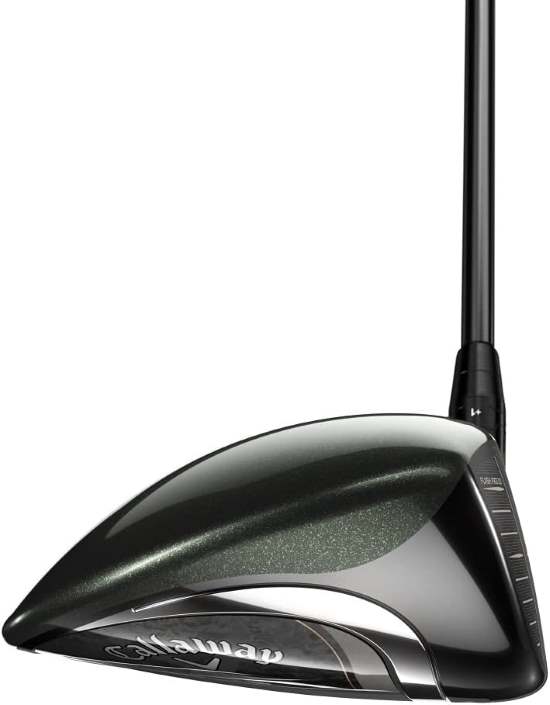
The Great Big Bertha 23 focuses heavily on weight reduction. When you pick it up, the club immediately feels lighter than most drivers in its category. That design helps players increase swing speed without forcing effort.
The head still maintains forgiveness. Off center hits tend to launch high with stable spin, which benefits players who struggle to get the ball airborne.
Because of the lightweight construction, the driver suits golfers with slower to moderate swing speeds. Players with very aggressive swings might prefer a heavier head for stability.
Regular inspection of the shaft connection helps ensure secure adjustments. The lightweight materials remain durable but should still be handled with normal care.
User Review
Susan K., senior golfer
“The lighter feel helped my swing speed right away. I started seeing higher drives that carried farther than my previous club. It feels smooth and easy to swing through the ball.”
Key Features
Ultra Light Build: Reduced club weight encourages faster swing speed.
Launch Support: Head design helps produce higher ball flight.
Forgiveness: Large hitting area stabilizes off center strikes.
Swing Comfort: Reduced effort required during full swings.
Material Engineering: Premium materials maintain strength despite lighter structure.
Distance Efficiency: Higher launch often increases carry distance.
Ease of Handling: Comfortable for golfers with limited strength.
Balanced Feel: Lightweight build still maintains swing stability.
Pros and Cons
| Pros | Cons |
| Extremely light swing feel | Expensive technology platform |
| High launch assistance | Less suited for fast swings |
| Comfortable for slower swings | Limited workability |
FURTHER FASTER Golf Driver for Men
Budget friendly oversized driver
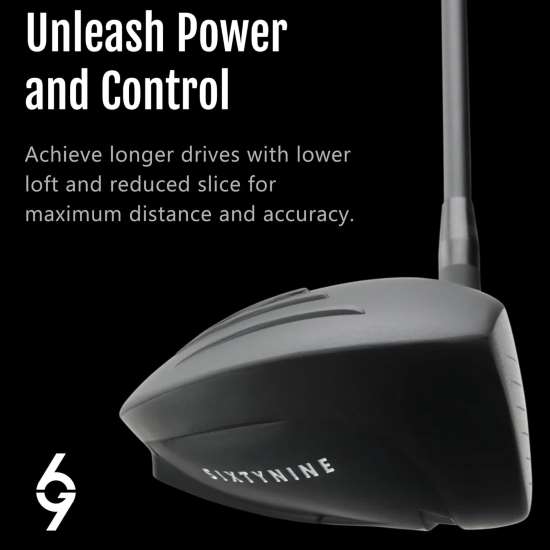
This driver takes a straightforward approach. The oversized titanium head offers a large hitting area that inspires confidence at address. For newer golfers, that visual reassurance can make a difference.
The feel remains simple but effective. Impact produces a firm response and predictable ball flight. While it lacks the refined technology of premium drivers, it still performs reliably for casual play.
Because the club focuses on simplicity, maintenance stays minimal. Clean the titanium face and inspect the grip periodically.
Golfers looking for advanced adjustability or highly engineered faces might find this model basic. Still, for occasional players or those building a starter set, it performs its core role well.
User Review
Jason M., recreational golfer
“I bought this driver while learning the game. It helped me get the ball in the air and the large head gave me confidence. It may not be fancy, but it works well for casual rounds.”
Key Features
Large Head Size: Bigger hitting area supports confidence during setup.
Titanium Face: Durable material withstands repeated impacts.
Beginner Friendly Design: Simple structure reduces learning curve.
Stable Launch: Produces predictable mid high trajectory.
Grip Comfort: Standard grip feels comfortable during longer rounds.
Maintenance Ease: Minimal adjustment parts simplify upkeep.
Affordability Value: Accessible entry point for new golfers.
Durability: Titanium head resists common wear.
Pros and Cons
| Pros | Cons |
| Large forgiving club head | Limited technology features |
| Simple beginner friendly design | Minimal adjustability |
| Durable titanium construction | Basic feel at impact |
Pinemeadow PGX Offset Golf Driver
Offset driver designed to fight slices
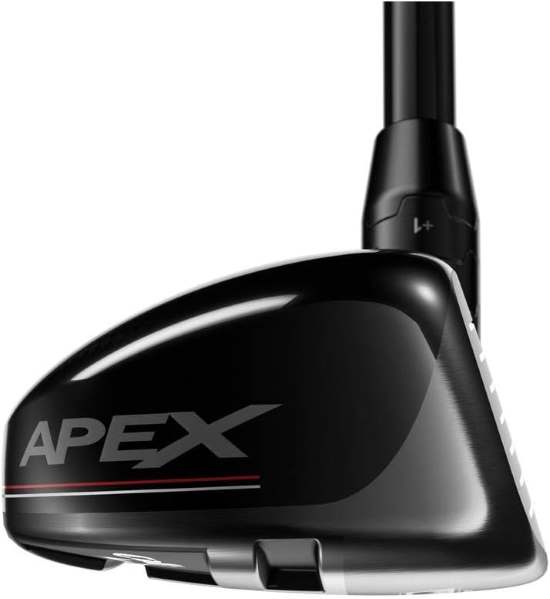
The PGX Offset driver targets one specific problem. The offset design shifts the face slightly behind the shaft line, giving the club more time to square during impact.
For golfers who consistently slice the ball, that design can help produce straighter drives. The large 460cc head also increases forgiveness on misaligned strikes.
The club feels straightforward in use. It does not provide the refined sensation of premium drivers, but it performs reliably for players seeking slice correction.
Cleaning the white clubhead helps maintain its visual appearance. Dirt marks show easily on the light finish.
Players who already draw the ball may find the offset excessive, but slicers often appreciate the added help.
User Review
Anthony G., high handicap golfer
“The offset took a few rounds to get used to visually. Once I adjusted, I noticed my drives stayed much straighter. It definitely helped reduce my slice.”
Key Features
Offset Design: Helps square the clubface during impact to reduce slice spin.
Large Head Volume: 460cc structure improves forgiveness.
Alignment Visibility: White crown improves contrast against the ball.
Beginner Assistance: Designed specifically for common high handicap issues.
Stable Launch: Balanced weight supports straight ball flight.
Grip Comfort: Standard grip supports relaxed swing.
Durability: Solid construction handles regular use.
Confidence Boost: Offset appearance encourages square impact.
Pros and Cons
| Pros | Cons |
| Strong slice correction design | Offset look not for everyone |
| Forgiving large head | Limited advanced features |
| Clear alignment visibility | Basic overall feel |
Buying Guide
Selecting a driver requires more than simply choosing a well known brand. High handicap golfers benefit most when the club design aligns with real swing tendencies.
What Actually Matters Before Choosing
Core Performance Factors
Driver forgiveness plays a major role for inconsistent swings. Larger clubheads distribute weight farther from the center which stabilizes the club during off center contact. Many players assume distance should be the main priority. In reality, accuracy and launch stability usually improve overall driving performance more than raw power.
Spin control also affects trajectory. Too much spin exaggerates slices while too little spin causes falling shots that lose carry distance.
Material Quality and Durability
Drivers rely heavily on thin face materials and lightweight composites. These materials help create faster ball speed, but they also require careful engineering to remain durable. Players sometimes assume lighter always means weaker. Modern composite construction often balances both weight reduction and structural strength.
Clubs that use high grade titanium or carbon composite tend to maintain performance longer under repeated impact.
Comfort and Usability
Grip comfort and shaft flexibility strongly influence swing consistency. A shaft that feels too stiff often forces golfers to swing harder than necessary. Conversely, an overly soft shaft may cause timing issues.
Comfort also includes visual confidence. Some golfers prefer a traditional black crown while others align more easily with lighter colors.
Maintenance Demands
Drivers require relatively little maintenance, but small habits help preserve performance. Cleaning the face removes debris that interferes with spin consistency. Periodically checking the hosel connection ensures the head remains securely attached.
Many golfers underestimate how much dirt buildup affects ball flight, especially during wet rounds.
Environmental Compatibility
Course conditions influence driver choice. Windy coastal environments may favor lower spin drivers. Softer inland courses often reward higher launch angles that maximize carry distance.
Temperature also changes ball compression and launch behavior. Lightweight drivers sometimes help players maintain swing speed in cooler weather.
Safety Considerations
Improper shaft flex can place extra stress on the wrists and elbows. Golfers who swing aggressively with a shaft that is too soft may feel twisting at impact. Choosing a shaft that matches swing tempo reduces strain during repeated swings.
Common Buyer Mistakes
Many golfers assume the newest technology automatically fits their swing. Equipment design varies widely, and a driver that works well for one player may feel unstable for another.
Another common mistake involves ignoring launch angle. Players often focus only on distance numbers during practice sessions. Without proper launch, that distance rarely translates into real course performance.
Some buyers choose drivers based purely on professional endorsements. Tour players swing dramatically faster than recreational golfers. Their equipment often emphasizes control rather than forgiveness.
Another misunderstanding involves clubhead size. While larger heads increase forgiveness, they can also feel awkward for golfers who prefer compact visual alignment.
Many golfers also overlook shaft selection. The shaft determines timing and swing rhythm more than most players realize. Selecting the wrong flex often causes inconsistent contact.
Finally, some buyers underestimate the role of confidence. If a club looks uncomfortable at address, swing tension often increases, which reduces accuracy.
Related:
How to Decide Between Driver and Mini Driver on Each Hole
How to Choose the Perfect Golf Driver for Beginners
How to Match Products to Specific Needs
Casual Recreational Golfers
Players who golf occasionally benefit from highly forgiving drivers. Large sweet spots and draw biased designs help keep the ball in play even when swing mechanics vary between rounds.
Frequent Weekly Players
Golfers who practice regularly often appreciate a balance between forgiveness and feedback. Drivers like the MAVRIK or Epic Flash allow improvement without feeling overly restrictive.
Slower Swing Speed Golfers
Players with moderate or slower swing speeds often benefit from lightweight drivers that help generate speed naturally. Clubs designed for higher launch also assist with carry distance.
Slice Prone Golfers
Offset drivers or draw biased weighting can reduce slice spin. These designs help square the clubface more easily during impact.
Performance Focused Amateurs
Golfers improving toward mid handicap levels may prefer drivers that combine forgiveness with better shot shaping control. Slightly more responsive faces allow players to refine their swing while maintaining stability.
Conclusion
Choosing a driver as a high handicap golfer often means prioritizing forgiveness and consistency rather than maximum power. Designs that stabilize off center hits, promote higher launch, and reduce slice spin usually deliver the most noticeable improvement on the course.
Each driver in this guide approaches that challenge differently. Some focus on draw bias, others on lightweight construction or balanced performance. The best best callaway driver for high handicapper ultimately depends on swing speed, strike consistency, and personal comfort at address.
Taking time to match those factors carefully often leads to more enjoyable rounds and steadier drives from the tee.
FAQs
What makes a driver forgiving for high handicap golfers
A forgiving driver uses larger clubheads and strategic weight placement to stabilize off center strikes.
Do high handicap golfers need draw biased drivers
Players who frequently slice the ball often benefit from draw biased or offset driver designs.
Is a lightweight driver better for beginners
Lightweight drivers can help beginners generate swing speed more easily.
How often should a driver face be cleaned
Cleaning the face after each round helps maintain consistent spin and ball contact.
Does shaft flex affect driving accuracy
Yes, shaft flex strongly influences timing and consistency during the swing.