
How Much Does It Really Cost to Start Playing Golf in 2026?
Golf has a reputation for being an expensive hobby. Mention the sport and people often picture private country clubs, $600 drivers, designer polos, and weekend rounds that cost more than dinner for two.
But that isn’t the whole story.
You don’t need a country-club membership, a tour-level golf bag, or a closet full of golf clothes to start playing. In 2026, there are more ways than ever to try golf before making a major financial commitment. Driving ranges, indoor golf facilities, beginner clinics, municipal courses, used equipment and group instruction have made the entry point considerably more flexible.
So, how much does it actually cost?
For most adults in the U.S., a realistic beginner budget is roughly $300 to $600 if you shop carefully and play public courses. A more comfortable setup can run $700 to $1,200, while premium equipment and frequent play can push the first-year cost well beyond $2,000.
The important distinction is that starting golf and spending money on golf are two very different things.
Quick Answer: How Much Money Do You Need to Start Golf?
If your goal is simply to find out whether you enjoy golf, you can start for around $100 to $250 by borrowing or renting clubs, buying a small supply of balls and tees, practicing at a range, and playing a short public-course round.
If you want your own basic equipment, expect approximately:
| Expense | Budget Approach | Comfortable Beginner |
| Clubs + bag | $150–$300 used | $400–$700 new |
| Balls, tees, glove | $25–$60 | $50–$90 |
| Shoes | $0 initially | $50–$120 |
| First lesson/clinic | $25–$75 | $75–$200 |
| Practice/range | $10–$30 | $30–$75 |
| First round | $20–$50 | $40–$80 |
| Approximate starting total | $230–$515 | $645–$1,265 |
These are practical budgeting ranges rather than national fixed prices. Golf costs vary dramatically by city, course, season, equipment brand and how often you play.
The First Question: Do You Need to Buy Golf Clubs Immediately?
No.
This is one of the biggest mistakes new golfers make.
Before spending hundreds of dollars on equipment, consider borrowing clubs from a friend, renting a set at a course, or taking a beginner lesson or clinic where equipment is available.
Current PGA of America beginner programs demonstrate how accessible this can be. One current Get Golf Ready listing, for example, provides four weeks of instruction for $155 and includes range, putting and short-game practice. Other PGA programs vary by location, duration and instructor.
That means your first golf experience doesn’t have to begin with a shopping spree.
A driving range session is another inexpensive way to test the waters. You can learn whether you actually enjoy hitting golf balls before committing to 18 holes and a full set of clubs.
That matters because golf has become much broader than traditional course play. According to the National Golf Foundation, 48.1 million Americans age 6 and older played golf in 2025, including 29.1 million who played on a golf course and another 19 million who participated exclusively in off-course golf activities such as traditional ranges, indoor simulators and golf-entertainment venues.
How Much Do Beginner Golf Clubs Cost in 2026?
Clubs will probably be your biggest initial purchase.
The good news is that you don’t need the latest premium equipment.
A used complete set can be one of the smartest purchases for a beginner. A new boxed set can also make sense because it gives you a matched group of clubs and a bag without forcing you to learn which individual clubs you need.
Current manufacturer pricing shows why there is such a wide range.
Wilson currently lists its men’s Profile Complete Set with stand bag at $599.99, while Callaway lists the Men’s Strata Ultimate 16-Piece Set at $699.99.
Those are legitimate current examples, but they don’t mean a beginner needs to spend $600–$700.
You can spend less by:
- Buying a lightly used complete set
- Looking for an older model
- Purchasing a basic package set
- Borrowing clubs while learning
- Buying only the clubs you actually need
- Waiting until your swing develops before getting fitted for expensive equipment
What Clubs Does a Beginner Actually Need?
You don’t need 14 clubs to learn golf.
A practical beginner setup might include:
- Driver
- Hybrid or fairway wood
- A few mid-irons
- Pitching wedge
- Sand wedge
- Putter
- Golf bag
A complete beginner set is often easier than assembling individual clubs because the clubs are designed to work together.
And don’t assume expensive clubs will automatically make you play better. During your first year, learning basic contact, setup, grip, alignment and short-game technique will usually have a much greater impact than upgrading from a $300 set to a $1,500 set.
What About Used Golf Clubs?
Used clubs are one of the best ways to reduce the cost of entering golf.
You don’t need a 2026 model to learn how to hit a 7-iron.
A clean, relatively modern used set can provide everything you need while you figure out whether golf will become a long-term hobby.
The main things to check are:
- Club condition
- Shaft damage
- Grip condition
- Correct length
- Right- or left-handed orientation
- Shaft flex appropriate for the player
- Whether the set contains enough useful clubs
If you know very little about equipment, buying a complete used set from a reputable golf retailer is generally less risky than assembling random clubs from multiple sellers.
Do You Need Golf Shoes?
Not at first.
For your first few range sessions, a clean pair of athletic shoes with a reasonably stable sole is usually enough, provided the facility allows them.
Golf shoes become more useful when you begin playing regularly because they provide additional traction and stability, particularly when the ground is wet or you’re making a full swing on uneven terrain.
A reasonable beginner budget is around $50–$120 for golf shoes, but you can postpone this purchase.
The same principle applies to golf clothing.
You don’t need a $100 polo shirt to learn golf. Wear comfortable clothing that meets the course’s dress requirements and invest in specialized apparel later if you decide you enjoy the game.
How Much Do Golf Lessons Cost?
Instruction is one area where spending money early can actually save you money later.
A beginner can practice for months and unintentionally reinforce a poor grip, setup or swing pattern. A good instructor can identify those problems before they become habits.
Private lesson pricing varies substantially by location and instructor. Current consumer pricing guides commonly place U.S. private instruction somewhere around $50–$150 per session or hour, with higher-end coaches charging considerably more.
Group clinics can be less expensive and are often a better choice for someone who has never touched a club.
PGA of America provides a nationwide directory for finding PGA Coaches and beginner programs, and current Get Golf Ready programs show that lesson structure and pricing vary by facility.
The Best Beginner Spending Strategy
Instead of buying a $700 driver, consider putting some of that money toward instruction.
A sensible first-month plan might be:
- One beginner lesson
- Two or three range sessions
- Another lesson
- A short 9-hole round
- More practice based on what your instructor identified
This gives you feedback before you spend heavily on equipment.
How Much Does It Cost to Play a Round of Golf?
This is where golf’s ongoing expense begins.
There isn’t one national green fee.
A municipal course in one city might charge $20–$30 for a round, while a popular public course in another market could cost $75, $100 or considerably more. Resort golf can be dramatically more expensive.
National Golf Foundation research also shows that pricing pressure is particularly noticeable at the high end. In 2026, more than half of U.S. golf resorts in NGF’s database had peak-season rates above $100, while average resort green fees had risen about 37% since 2019.
That doesn’t mean your beginner round needs to cost $100.
Ways to Lower Your Green Fees
Look for:
- Municipal courses
- 9-hole courses
- Weekday tee times
- Twilight rates
- Walking rates
- Junior rates
- Beginner programs
- Seasonal promotions
- Online tee-time discounts
- Annual passes at municipal facilities
A beginner should generally avoid paying premium resort rates while learning the game.
You are going to lose balls, miss greens, take extra strokes and spend plenty of time looking for your next shot. You don’t need a championship venue for that experience.
Don’t Forget Driving-Range Costs
You can learn a lot about golf without playing 18 holes.
A bucket of range balls is often one of the cheapest ways to practice. Depending on the facility and bucket size, you might spend roughly $10–$25 per session.
Indoor golf and simulator facilities can cost more, but they offer advantages such as weather protection, launch-monitor data and flexible practice.
This is particularly useful for beginners who don’t yet feel comfortable playing in front of other golfers.

Golf Balls, Gloves and Tees: The Small Costs Add Up
Golf’s inexpensive accessories are easy to overlook.
You will typically need:
- Golf balls
- Tees
- One golf glove
- Towel
- Ball marker
- Divot tool, depending on the course
- Water bottle
Golf balls deserve special attention.
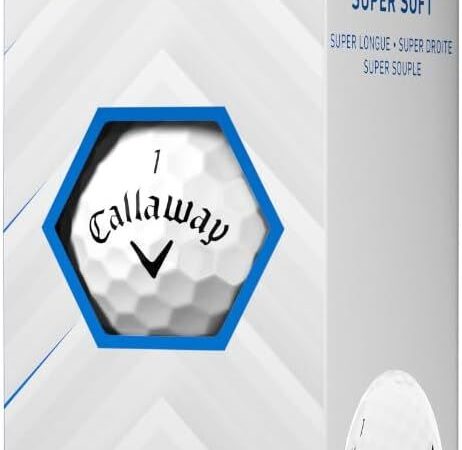
A beginner shouldn’t feel obligated to buy premium tour balls. If you’re still learning to make consistent contact, losing several expensive balls during a round can make the game unnecessarily frustrating.
Affordable two-piece or value-oriented balls are usually a better starting point. Used or recycled balls can reduce the cost even further.
A glove is also worthwhile because it improves grip and helps prevent blisters. You don’t need an expensive model.
Do You Need a Golf Cart?
Not necessarily.
Many courses allow walking, although course policies vary.
If walking is permitted and you’re physically comfortable doing it, skipping the cart can reduce your cost while giving you additional exercise.
But don’t assume walking is always free. Some courses bundle cart fees into their rates, while others charge separately. Always check the course’s pricing before booking.
If you eventually play frequently, buying a push cart may make more financial sense than repeatedly renting a powered cart.
What About a Country Club Membership?
You absolutely do not need one to start playing golf.
A private-club membership can introduce initiation fees, monthly dues, food-and-beverage minimums, assessments and other expenses. Those costs vary so dramatically by club and market that there is little value in treating them as a normal beginner expense.
For someone learning the game, pay-as-you-play public golf is usually much more flexible.
If you eventually find yourself playing several times a month at the same facility, then an annual pass or membership may become worth investigating.
Do Beginners Need a Handicap?
Not immediately.
A Handicap Index becomes useful once you start playing regularly and want a standardized measure of your playing ability.
Under the World Handicap System, a Handicap Index is based on a player’s demonstrated ability, and the USGA explains that a player needs scores totaling 54 holes in their scoring record before an initial Handicap Index can be calculated. The system allows golfers to compare their abilities across courses with different ratings and slopes.
You don’t need to worry about handicapping on your first trip to the range.
Learn the game first. Add a handicap when you have enough scores and actually need one.
Three Realistic Ways to Start Golf in 2026
The Shoestring Beginner: About $150–$300
This is the “I want to see whether I actually like golf” approach.
- Borrow or rent clubs
- Buy inexpensive balls and tees
- Use athletic shoes
- Take one inexpensive group lesson or clinic
- Practice at a driving range
- Play one inexpensive 9-hole round
This is the smartest route if you’re completely new.
The Practical Beginner: About $350–$650
This is probably the sweet spot for most adults.
- Used or affordable complete club set
- Golf bag
- Budget golf balls
- Glove and tees
- Basic golf shoes, if needed
- One or two lessons
- Several range sessions
- A few public-course rounds
You get enough equipment and instruction to genuinely start learning without spending heavily.
The Committed Beginner: About $700–$1,200+
This makes sense when you already know you’re going to play regularly.
- Better complete club set
- Golf shoes
- More lessons
- Higher-quality balls
- Practice sessions
- Multiple rounds
- Optional push cart or other accessories
You can easily exceed $1,200, but you don’t have to.
The premium end of golf has essentially no ceiling.
So, What Is the Real Cost of Starting Golf?
The honest answer is:
You can try golf for well under $300, start properly for around $350–$650, or spend $1,000+ if you want a more complete setup from day one.
The biggest mistake is treating the most expensive version of golf as the entry requirement.
It isn’t.
The National Golf Foundation’s latest participation data reinforces that the modern golf ecosystem is much broader than private clubs and traditional 18-hole rounds. In 2025, 3.3 million people were classified as on-course beginners, while millions more engaged with golf exclusively at ranges, simulators and entertainment facilities.
That gives newcomers plenty of ways to enter the sport gradually.
The smartest order to spend your money
If you’re starting from zero, prioritize your budget like this:
1. Try the game → 2. Get basic instruction → 3. Practice → 4. Buy sensible clubs → 5. Play inexpensive rounds → 6. Upgrade only when you know what you need.
Don’t buy a premium driver because a professional uses it.
Don’t join a private club because you think that’s what “real” golfers do.
And don’t spend hundreds of dollars on accessories before you’ve made it through your first nine holes.
Golf can absolutely become an expensive hobby. But the cost is largely determined by how you choose to play it.
For most beginners, the goal isn’t to build the perfect golf bag on day one. It’s to get comfortable holding a club, make solid contact, understand the basic rules and etiquette, and decide whether you enjoy being on the course.
Once you’re hooked, there’s plenty of time to spend more money.
Frequently Asked Questions
Can I start playing golf for $300?
Yes. Borrowing or renting clubs, buying inexpensive balls and tees, using athletic shoes, practicing at a range and playing an affordable public or municipal course can keep your initial spending around $300 or less.
How much should I spend on my first golf clubs?
For most beginners, $200–$500 is a reasonable target for a complete used or entry-level set. Spending $1,000 or more isn’t necessary unless you already know you want premium equipment.
Is it better to buy new or used golf clubs?
Used clubs are often the better value for beginners. Your swing and preferences will change as you learn, so buying expensive equipment immediately can be premature.
Do I need a full 14-club set?
No. The Rules of Golf permit up to 14 clubs, but beginners don’t need all 14. A driver, hybrid or fairway wood, several irons, a wedge and a putter are enough to learn the fundamentals.
Are golf lessons worth the money?
Usually, yes—particularly at the beginning. Even a few lessons can help you establish a workable grip, setup, alignment and swing before you develop bad habits.
How much does a golf lesson cost?
Private instruction commonly falls around $50–$150, although local rates vary and premium instructors can charge much more. Group clinics are generally less expensive. PGA of America maintains a directory of PGA Coaches and beginner programs.
Do I need golf shoes to play?
No. Athletic shoes can be adequate for early practice and some beginner rounds, subject to the course’s rules. Golf shoes become more useful as you play regularly because of their traction and stability.
Can I learn golf without playing 18 holes?
Absolutely. Driving ranges, putting greens, short-game areas, nine-hole courses and golf simulators are all legitimate ways to develop your game. NGF’s latest participation data shows that off-course golf is now a significant part of the U.S. golf ecosystem.
Do I need a country-club membership?
No. Public and municipal courses allow you to pay as you play. A membership only becomes worth considering if your playing frequency and preferred course make the economics favorable.
What is the cheapest way to get into golf?
Borrow or rent clubs, take a group beginner clinic, practice at a driving range, and play inexpensive nine-hole or municipal courses. Buy your own equipment only after you’ve decided you enjoy the game.
Is golf an expensive sport?
It can be, but it doesn’t have to be. The difference between a $300 beginner setup and a $3,000-plus first year is mostly determined by equipment choices, course selection, membership decisions, lesson frequency and how often you play.
Bottom line: You don’t need to be wealthy to start playing golf in 2026. Start small, learn the fundamentals, use public golf, and let your spending increase only when your interest in the game—and your understanding of what you actually need—justifies it.