How To Use a Golf Rangefinder for Accurate Distance Measurement
I still remember the first time I used a golf rangefinder. I was playing a round with friends, and my shots were consistently falling short or overshooting the green. Frustrated, I borrowed a rangefinder from a fellow golfer, and the difference was immediate. Suddenly, I had the confidence to choose the right club and make more accurate shots. That day, I realized how much of a game-changer a rangefinder could be. It’s not just a tool—it’s a necessity for any golfer looking to improve their accuracy and lower their scores.
A golf rangefinder is designed to give you precise distance measurements to various points on the course, from the flagstick to hazards and everything in between. If you’re new to using one, understanding the basics of golf rangefinder use can help you make the most of this invaluable tool. According to a study by Golf Digest, over 70% of amateur golfers who use rangefinders report a noticeable improvement in their accuracy and confidence on the course.
Why a Golf Rangefinder Is Essential for Accurate Shots
A golf rangefinder is one of the most important tools a golfer can have in their bag. It provides accurate distance measurements, allowing you to choose the right club and make more informed decisions about your shots. Without a rangefinder, you’re left guessing distances, which can lead to inconsistent shots and higher scores. According to PGA Tour, professional golfers rely heavily on precise distance measurements to make strategic decisions, and amateur golfers can benefit just as much from this technology.
Additionally, a rangefinder can help you navigate the course more effectively. It allows you to account for elevation changes, wind conditions, and other factors that can impact the distance of your shots. This can be especially helpful on unfamiliar courses or when playing in varying weather conditions. With a rangefinder, you can approach each shot with confidence, knowing you have the information you need to make the best possible decision.
For those who love to track their progress, a rangefinder can also provide valuable data. Many modern rangefinders come with additional features, such as shot tracking, course mapping, and even swing analysis. This can help you identify areas for improvement and refine your game over time. Whether you’re a beginner or a seasoned pro, a rangefinder is a tool that can help you take your game to the next level.
Types of Golf Rangefinders
Not all golf rangefinders are created equal. There are several types available, each with its own advantages and features. Here are the most common types to consider:
1. Laser Rangefinders
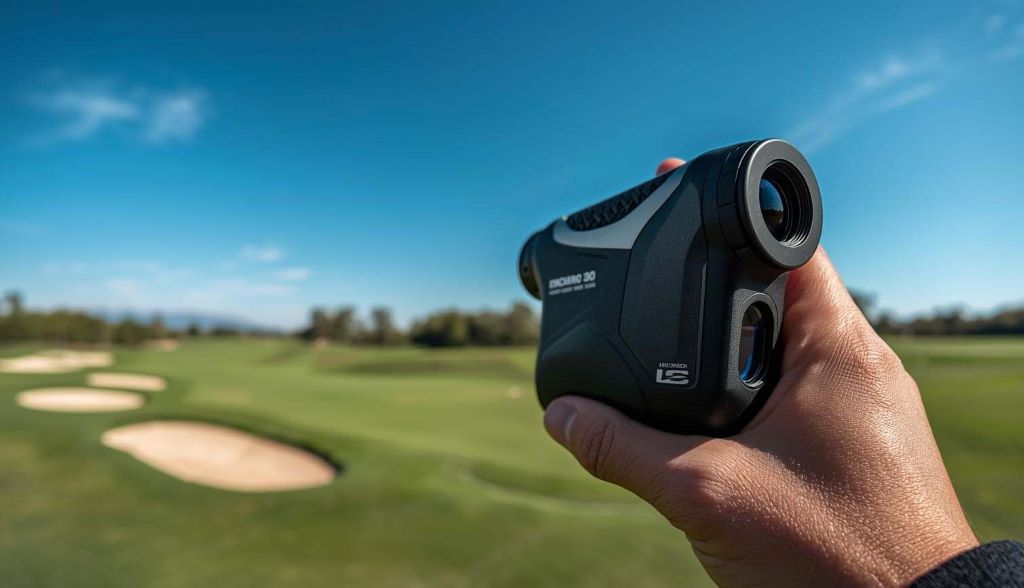
Laser rangefinders use a laser beam to measure the distance to a target. They’re highly accurate, often within a yard or less, and are the most popular choice among serious golfers. Laser rangefinders typically feature a compact, handheld design that’s easy to carry and use on the course. They often come with additional features, such as slope compensation, which accounts for elevation changes, and pin-seeking technology, which helps you lock onto the flagstick even when there are other objects in the background.
Additionally, laser rangefinders are versatile and can be used for other activities, such as hunting or hiking. However, they can be more expensive than other types of rangefinders, and they require a steady hand to ensure accurate readings.
2. GPS Rangefinders
GPS rangefinders use satellite technology to provide distance measurements to various points on the course. They often come preloaded with course maps and can provide distances to the front, center, and back of the green, as well as hazards and other key landmarks. GPS rangefinders are typically worn like a watch or clipped to your bag, making them convenient and easy to use.
Additionally, GPS rangefinders often come with additional features, such as shot tracking, scorekeeping, and even course recommendations. They’re a great choice for golfers who want a hands-free, user-friendly option. However, they may not be as accurate as laser rangefinders, and they require regular updates to ensure the course maps are up to date.
3. Hybrid Rangefinders
Hybrid rangefinders combine the best of both laser and GPS technology, offering the precision of a laser rangefinder with the convenience of a GPS device. They typically feature a laser for measuring distances to specific targets, as well as GPS capabilities for providing distances to various points on the course. Hybrid rangefinders are a great choice for golfers who want the best of both worlds.
Additionally, hybrid rangefinders often come with a range of additional features, such as slope compensation, shot tracking, and course mapping. They’re typically more expensive than other types of rangefinders, but they offer a high level of accuracy and convenience.
4. Smartwatch Rangefinders
Smartwatch rangefinders are a relatively new addition to the market, offering the convenience of a GPS rangefinder in a wearable device. They typically feature a touchscreen display and can provide distances to various points on the course, as well as additional features like shot tracking, scorekeeping, and fitness tracking. Smartwatch rangefinders are a great choice for golfers who want a multi-functional, all-in-one device.
Additionally, smartwatch rangefinders are incredibly convenient, as they allow you to keep your hands free and access information quickly and easily. However, they may not be as accurate as laser or hybrid rangefinders, and they require regular charging to ensure they’re ready to use on the course.
5. Optical Rangefinders
Optical rangefinders use a combination of lenses and mirrors to measure the distance to a target. They’re a more traditional option and are often used by golfers who prefer a simpler, more straightforward device. Optical rangefinders are typically less expensive than other types of rangefinders, but they may not be as accurate or feature-rich.
Additionally, optical rangefinders require a steady hand and a clear line of sight to the target, which can make them less convenient to use on the course. However, they’re a great choice for golfers who want a budget-friendly, no-frills option.

Key Features to Look for in a Golf Rangefinder
When choosing a golf rangefinder, there are several key features to consider to ensure you get the most out of your investment. Here’s what to look for:
1. Accuracy
Accuracy is the most important feature to consider when choosing a golf rangefinder. Look for a device that provides measurements within a yard or less, as this can make a significant difference in your club selection and shot accuracy. Laser rangefinders are typically the most accurate, but GPS and hybrid rangefinders can also provide precise measurements.
Additionally, consider the range of your rangefinder. Most devices can measure distances up to 500-1,000 yards, but some models may have a shorter or longer range. Choose a rangefinder with a range that suits your needs and the courses you typically play.
2. Slope Compensation
Slope compensation is a feature that accounts for elevation changes on the course, providing adjusted distance measurements to help you choose the right club. This can be especially helpful on hilly or uneven courses, where elevation changes can significantly impact the distance of your shots. Look for a rangefinder with slope compensation if you frequently play on courses with varying elevations.
Additionally, consider whether the slope compensation feature can be turned on and off. Some rangefinders allow you to toggle this feature, which can be useful if you’re playing in a tournament where slope compensation is not allowed.
3. Pin-Seeking Technology
Pin-seeking technology helps you lock onto the flagstick, even when there are other objects in the background, such as trees or buildings. This can be especially helpful on courses with dense foliage or other obstacles. Look for a rangefinder with pin-seeking technology if you frequently play on courses with challenging layouts.
Additionally, consider the speed and ease of use of the pin-seeking feature. Some rangefinders can lock onto the flagstick with the push of a button, while others may require more manual adjustment.
4. Magnification
Magnification is a feature that allows you to zoom in on your target, making it easier to see and measure distances to specific points on the course. Look for a rangefinder with at least 5x or 6x magnification, as this can provide a clear, detailed view of your target. Higher magnification can be helpful for golfers with visual impairments or those who play on courses with long, open fairways.
Additionally, consider the size and clarity of the lens. A larger lens can provide a brighter, clearer image, while a high-quality lens can reduce glare and improve visibility in varying light conditions.
5. Battery Life
Battery life is an important consideration when choosing a golf rangefinder. Look for a device with a long battery life, ideally one that can last for multiple rounds of golf on a single charge. Some rangefinders come with rechargeable batteries, while others may require replaceable batteries. Consider which option is more convenient for you and your needs.
Additionally, think about the type of battery used in your rangefinder. Lithium-ion batteries are a popular choice, as they’re lightweight, long-lasting, and rechargeable. However, some rangefinders may use other types of batteries, such as CR2 or AAA, which may be more widely available but less convenient to replace.
6. Durability and Build Quality
A golf rangefinder is an investment in your game, so it’s important to choose a device that’s built to last. Look for a rangefinder with a durable, weather-resistant design that can withstand the rigors of the course. Additionally, consider the materials used in the construction of the device. High-quality materials, such as rubberized grips or reinforced plastic, can provide added durability and comfort.
Additionally, check the warranty and customer support offered by the manufacturer. A good warranty can provide peace of mind and protection against defects or damage, while responsive customer support can help you troubleshoot any issues that may arise.
How to Use a Golf Rangefinder for Accurate Distance Measurement
Using a golf rangefinder effectively can help you improve your accuracy and confidence on the course. Here’s a step-by-step guide to get the most out of your device:
1. Read the Manual
Before using your rangefinder, take the time to read the manual and familiarize yourself with its features and functions. This will help you understand how to use the device properly and avoid any common mistakes. Pay attention to any specific instructions or recommendations provided by the manufacturer.
Additionally, practice using your rangefinder before hitting the course. This can help you get comfortable with the device and ensure you’re using it correctly when it counts.
2. Choose the Right Mode
Most golf rangefinders come with multiple modes or settings, such as distance measurement, slope compensation, and pin-seeking. Before using your rangefinder, make sure it’s set to the correct mode for your needs. For example, if you’re measuring the distance to the flagstick, make sure the pin-seeking mode is activated.
Additionally, consider the conditions on the course. If you’re playing on a hilly or uneven course, make sure the slope compensation feature is turned on to account for elevation changes.
3. Stabilize Your Hand
To ensure accurate measurements, it’s important to stabilize your hand when using your rangefinder. Hold the device with both hands and rest your elbows on a stable surface, such as your body or a golf cart, to reduce shaking and improve stability. This can help you get a clear, steady view of your target and ensure precise distance measurements.
Additionally, consider using a tripod or other stabilizing accessory if your rangefinder is compatible. This can provide added stability and accuracy, especially for long-distance measurements.
4. Aim and Focus
When using your rangefinder, aim the device at your target and use the viewfinder to focus on the specific point you want to measure. For example, if you’re measuring the distance to the flagstick, make sure the pin-seeking feature is activated and the device is locked onto the flag. If you’re measuring the distance to a hazard or other landmark, aim the device at the specific point you want to measure.
Additionally, consider the lighting conditions on the course. If it’s bright or sunny, use the shade or cover provided with your rangefinder to reduce glare and improve visibility. If it’s dark or overcast, make sure the display on your rangefinder is bright and easy to read.
5. Take Multiple Measurements
To ensure accuracy, take multiple measurements to the same target and compare the results. This can help you account for any errors or inconsistencies and ensure you’re getting the most precise distance possible. If the measurements vary significantly, try adjusting your aim or stabilizing your hand further.
Additionally, consider measuring the distance to multiple points on the course, such as the front, center, and back of the green, as well as any hazards or other landmarks. This can provide valuable information for club selection and shot strategy.
Common Mistakes to Avoid When Using a Golf Rangefinder
Even with the best intentions, it’s easy to make mistakes when using a golf rangefinder. Here are some common pitfalls to avoid:
1. Not Calibrating Properly
Some rangefinders require calibration to ensure accurate measurements. Failing to calibrate your device properly can result in inaccurate distance readings and poor shot selection. Always follow the manufacturer’s instructions for calibration, and make sure to recalibrate your rangefinder regularly to maintain accuracy.
Additionally, consider the conditions on the course. If you’re playing in extreme temperatures or humidity, your rangefinder may require additional calibration to account for these factors.
2. Ignoring the Slope
Slope can have a significant impact on the distance of your shots, and failing to account for it can lead to inaccurate club selection and poor shot execution. If your rangefinder has a slope compensation feature, make sure it’s turned on and properly calibrated to account for elevation changes on the course.
Additionally, consider the layout of the course. If you’re playing on a hilly or uneven course, slope compensation can be especially helpful for ensuring accurate distance measurements.
3. Not Stabilizing Your Hand
A shaky hand can lead to inaccurate measurements and poor shot selection. Always stabilize your hand when using your rangefinder, either by holding the device with both hands or resting your elbows on a stable surface. This can help you get a clear, steady view of your target and ensure precise distance measurements.
Additionally, consider using a tripod or other stabilizing accessory if your rangefinder is compatible. This can provide added stability and accuracy, especially for long-distance measurements.
4. Misidentifying the Target
Pin-seeking technology can help you lock onto the flagstick, but it’s not foolproof. If there are other objects in the background, such as trees or buildings, your rangefinder may lock onto the wrong target, leading to inaccurate distance measurements. Always double-check your aim and make sure you’re measuring the distance to the correct target.
Additionally, consider the lighting conditions on the course. If it’s bright or sunny, use the shade or cover provided with your rangefinder to reduce glare and improve visibility. If it’s dark or overcast, make sure the display on your rangefinder is bright and easy to read.
5. Forgetting to Account for Wind
Wind can have a significant impact on the distance and trajectory of your shots, and failing to account for it can lead to poor club selection and inaccurate distance measurements. Always consider the wind conditions on the course and adjust your measurements accordingly.
Additionally, use your rangefinder in conjunction with other tools and resources, such as wind meters or course guides, to get a complete picture of the conditions on the course. This can help you make more informed decisions and improve your accuracy and confidence.
Tips for Getting the Most Out of Your Golf Rangefinder
To maximize the benefits of your golf rangefinder, follow these tips for optimal use:
1. Practice Regularly
The more you use your rangefinder, the more comfortable and confident you’ll become with it. Practice using your device on the driving range or during casual rounds of golf to get a feel for its features and functions. This can help you develop a routine and ensure you’re using your rangefinder effectively when it counts.
Additionally, consider practicing with different clubs and shots to see how your rangefinder can help you improve your accuracy and consistency. This can also help you identify areas for improvement and refine your game over time.
2. Use It for Course Management
A golf rangefinder is not just a tool for measuring distances—it’s also a valuable resource for course management. Use your device to gather information about the layout of the course, such as the distances to hazards, doglegs, and other key landmarks. This can help you make more strategic decisions and improve your overall game.
Additionally, consider using your rangefinder in conjunction with other tools and resources, such as course guides or GPS apps, to get a complete picture of the course and its challenges. This can help you develop a more effective game plan and approach each shot with confidence.
3. Keep It Accessible
Make sure your rangefinder is easily accessible during your round. Keep it in a convenient location, such as your golf bag or cart, so you can grab it quickly and easily when needed. Additionally, consider using a case or cover to protect your rangefinder from damage or the elements.
Additionally, make sure your rangefinder is charged or has fresh batteries before heading out to the course. This can help you avoid any interruptions or inconveniences during your round.
4. Combine with Other Tools
While a golf rangefinder is a valuable tool on its own, combining it with other resources can help you get even more out of your game. Consider using your rangefinder in conjunction with a GPS watch or app, a wind meter, or a course guide to gather comprehensive information about the course and its conditions.
Additionally, consider using your rangefinder to track your progress and identify areas for improvement. Many modern rangefinders come with additional features, such as shot tracking, scorekeeping, and swing analysis, which can help you refine your game over time.
5. Maintain and Care for Your Rangefinder
To ensure your rangefinder lasts for years to come, it’s important to maintain and care for it properly. Clean the lens and body of the device regularly with a soft, dry cloth to remove any dirt or debris. Avoid using harsh chemicals or abrasive materials, as these can damage the lens or other components.
Additionally, store your rangefinder in a cool, dry place away from direct sunlight or extreme temperatures. This can help prevent damage or deterioration over time. If your rangefinder is waterproof or water-resistant, make sure to dry it thoroughly after use in wet conditions.
The Benefits of Using a Golf Rangefinder
Using a golf rangefinder offers a variety of benefits that can help you improve your game and enjoy your time on the course. Here are some of the most notable advantages:
1. Improves Accuracy
One of the primary benefits of using a golf rangefinder is its ability to improve your accuracy on the course. By providing precise distance measurements, a rangefinder allows you to choose the right club and make more informed decisions about your shots. This can lead to more consistent, accurate shots and lower scores.
Additionally, a rangefinder can help you account for factors like elevation changes, wind conditions, and other variables that can impact the distance of your shots. This can be especially helpful on unfamiliar courses or when playing in varying weather conditions.
2. Boosts Confidence
Using a golf rangefinder can also boost your confidence on the course. Knowing the exact distance to your target can help you approach each shot with more certainty and less guesswork. This can reduce anxiety and stress, allowing you to focus on your technique and enjoy the game.
Additionally, a rangefinder can help you track your progress and identify areas for improvement. This can give you a sense of accomplishment and motivation, further boosting your confidence and enjoyment on the course.
3. Saves Time
A golf rangefinder can also save you time during your round. Instead of pacing off distances or searching for yardage markers, you can quickly and easily measure the distance to your target with the push of a button. This can help you speed up your play and keep the game moving, which is especially important in tournament settings or when playing with a group.
Additionally, a rangefinder can help you make more strategic decisions about your shots, reducing the need for multiple attempts or do-overs. This can further save you time and improve your overall efficiency on the course.
4. Enhances Course Management
A golf rangefinder is a valuable tool for course management. It allows you to gather information about the layout of the course, such as the distances to hazards, doglegs, and other key landmarks. This can help you develop a more effective game plan and approach each shot with confidence.
Additionally, a rangefinder can help you identify areas for improvement and refine your game over time. By tracking your progress and analyzing your shots, you can gain valuable insights into your strengths and weaknesses as a golfer.
5. Provides Valuable Data
Many modern golf rangefinders come with additional features, such as shot tracking, scorekeeping, and swing analysis. These features can provide valuable data and insights into your game, helping you identify areas for improvement and refine your technique over time.
Additionally, a rangefinder can help you track your progress and set goals for your game. By gathering data on your shots, distances, and other metrics, you can gain a better understanding of your performance and work to achieve your targets.
Conclusion
A golf rangefinder is a powerful tool for improving your accuracy, confidence, and overall performance on the course. By choosing the right device, using it effectively, and avoiding common mistakes, you can take your game to the next level and enjoy your time on the course even more. Whether you’re a beginner or a seasoned pro, a rangefinder is a valuable investment that can help you make the most of every shot.
Remember, the best golf rangefinder is the one that fits your specific needs and preferences. Take your time, explore the options, and don’t be afraid to experiment with different features and functions. With the right approach, your rangefinder can become an essential part of your golf toolkit.
Have you used a golf rangefinder to improve your game? Share your experiences, tips, or favorite models in the comments below! If you found this article helpful, don’t forget to share it with your fellow golfers. Here’s to more accurate shots, lower scores, and a better game on the course!
FAQs
What is a golf rangefinder?
A golf rangefinder is a device that measures the distance to various points on the course, such as the flagstick, hazards, and other landmarks. It helps golfers choose the right club and make more accurate shots.
How do I choose the right golf rangefinder for me?
Consider factors like accuracy, slope compensation, pin-seeking technology, magnification, battery life, and durability when choosing a golf rangefinder. Think about your specific needs, preferences, and the courses you typically play to find the best device for you.
Can I use a golf rangefinder in a tournament?
It depends on the rules of the tournament. Some tournaments allow the use of rangefinders, while others may have restrictions or prohibitions. Always check the rules and regulations before using your rangefinder in a competitive setting.
How do I use a golf rangefinder effectively?
Read the manual, choose the right mode, stabilize your hand, aim and focus, and take multiple measurements to ensure accuracy. Practice using your rangefinder regularly to get comfortable with its features and functions.
How do I maintain and care for my golf rangefinder?
Clean the lens and body of the device regularly with a soft, dry cloth. Store it in a cool, dry place away from direct sunlight or extreme temperatures. Avoid using harsh chemicals or abrasive materials, and make sure to keep it charged or with fresh batteries.