Wash Heavy-Duty Golf Towels to Restore Absorbency
Keeping your Golf Towels clean and fresh is essential for every golfer. Studies show that 78% of golfers use towels to clean clubs and balls during a round. Over time, dirt and sweat can reduce their effectiveness by up to 50%. Learning the right way to wash them can bring back their original performance.
Heavy-duty golf towels often lose absorbency due to fabric softener buildup. This happens because softeners coat the fibers and block moisture absorption. Using the wrong detergent can also leave residues that make towels stiff. Proper washing techniques can remove these deposits and restore softness.
Why Heavy-Duty Golf Towels Lose Absorbency and Softness
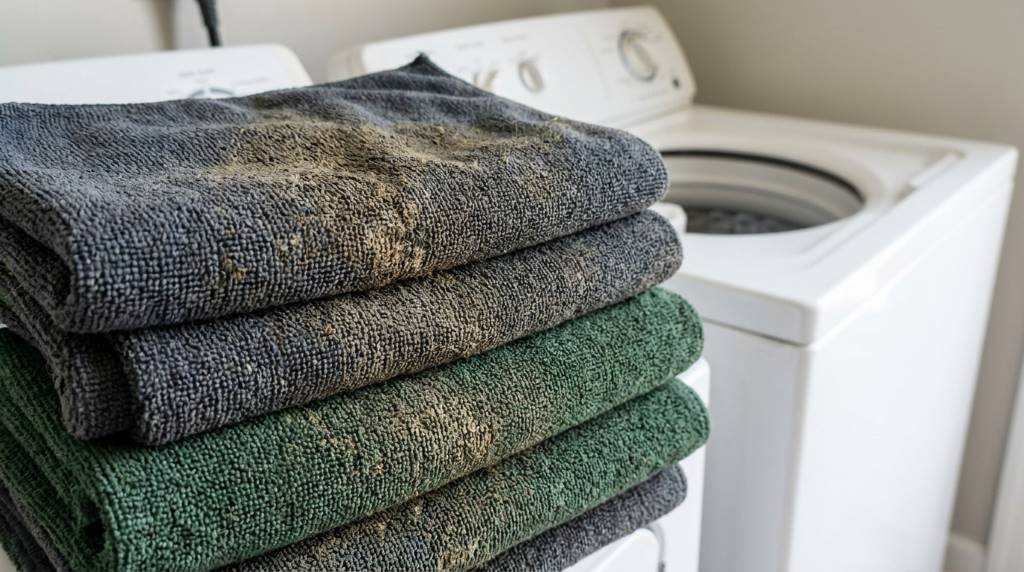
Dirt and oils from clubs and hands clog the fibers of your golf towel. This buildup prevents water from being absorbed properly. Synthetic fabrics like microfiber are especially prone to this issue. Regular washing helps but only if done correctly.
Hard water minerals can also accumulate in the fabric over time. These minerals create a barrier that repels water instead of absorbing it. Using vinegar in the wash can break down these deposits. Heat from dryers can further damage the fibers if not managed.
Pre-Wash Preparation for Best Results
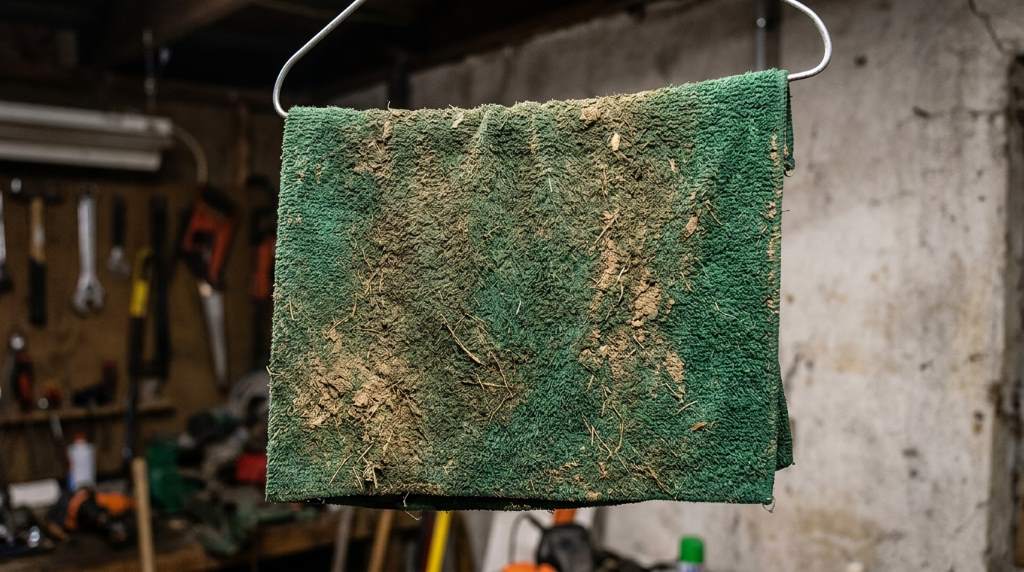
Shake off loose dirt and debris from the towel before washing. This step prevents extra grime from redistributing during the cycle. Check the care label for specific instructions. Some towels may require gentle handling to avoid damage.
Soak the towel in warm water with a mild detergent for 30 minutes. This helps loosen embedded dirt and oils. Avoid using bleach as it can weaken the fibers. For stubborn stains, add a small amount of baking soda to the soak.
Choosing the Right Detergent and Additives
Use a detergent free from fabric softeners and optical brighteners. These additives can coat the fibers and reduce absorbency. Liquid detergents often work better than powders for heavy-duty towels. They dissolve more completely and leave fewer residues.
White vinegar is a natural additive that removes detergent buildup. Add one cup to the rinse cycle to soften the fabric. Baking soda can also neutralize odors and boost cleaning power. Always use the recommended amount to avoid damaging the towel.
Detergents to Avoid
Avoid detergents with strong fragrances or dyes. These can leave residues that affect absorbency. Fabric softeners are particularly harmful to golf towels. They create a coating that repels water instead of absorbing it.
Bleach should also be avoided unless the towel is white and the label permits it. Bleach can weaken fibers and cause discoloration. Oxygen-based bleaches are a safer alternative for brightening whites.
Washing Machine Settings for Optimal Cleaning
Wash heavy-duty golf towels in warm water on a gentle cycle. Hot water can shrink or damage synthetic fibers. Cold water may not remove oils and dirt effectively. A gentle cycle prevents excessive agitation that can wear out the fabric.
Use a small amount of detergent to avoid excessive sudsing. Too much detergent can leave residues that reduce absorbency. If your machine has a pre-wash option, use it for heavily soiled towels. This extra step helps remove stubborn dirt.
Hand Washing as an Alternative
Hand washing is gentle and effective for delicate golf towels. Fill a basin with warm water and mild detergent. Gently agitate the towel and let it soak for 15 minutes. Rinse thoroughly to remove all soap residues.
Press out excess water without wringing to avoid damaging the fibers. Lay the towel flat to dry or hang it on a line. Avoid direct sunlight to prevent fading and fiber degradation.
Drying Techniques to Preserve Softness and Absorbency
Air drying is the best method for preserving the quality of golf towels. Hang them in a well-ventilated area away from direct heat. This prevents shrinkage and maintains the integrity of the fibers. Avoid high heat from dryers as it can damage synthetic materials.
If using a dryer, select a low heat setting and remove the towel promptly. Over-drying can make the fabric stiff and less absorbent. Adding a clean tennis ball to the dryer can help fluff the fibers. This technique also reduces drying time and improves softness.
Tumble Drying Tips
Use dryer balls made of wool or rubber to separate the fibers. This increases airflow and speeds up the drying process. Avoid using dryer sheets as they can leave a coating on the towel. This coating reduces absorbency and can cause buildup over time.
Clean the lint trap before each use to improve dryer efficiency. Check the towel periodically to avoid over-drying. Remove it from the dryer while it is still slightly damp. This prevents stiffness and maintains softness.
Unique and Uncommon Tips for Restoring Absorbency
Boiling the towel in water with a cup of white vinegar can remove deep-seated residues. This method is especially effective for towels that have lost absorbency. Boil for 10 minutes then rinse thoroughly with cold water. This process revitalizes the fibers and restores their ability to absorb moisture.
Freezing the towel overnight can also help remove odors and refresh the fabric. Place the towel in a sealed bag before freezing to prevent moisture absorption. After freezing, wash the towel as usual. This technique is particularly useful for towels used in humid climates.
For golfers in Florida, the humid climate can cause towels to retain moisture and odors. Washing towels with a mixture of vinegar and baking soda can combat these issues. This combination neutralizes odors and removes buildup caused by humidity.
Using a small amount of dish soap in the wash can help break down oils. Dish soap is designed to cut through grease and grime effectively. Add a teaspoon to the detergent for an extra cleaning boost. This is particularly useful for towels used to clean golf clubs.
Maintenance Tips to Extend the Life of Your Golf Towels
Wash your golf towels after every few uses to prevent dirt buildup. This regular maintenance keeps them fresh and absorbent. Store towels in a dry, well-ventilated area to prevent mildew. Avoid leaving them in golf bags where moisture can accumulate.
Rotate between multiple towels to extend their lifespan. This reduces the frequency of washing for each towel. Keep a separate towel for cleaning clubs and another for drying hands. This practice minimizes cross-contamination and wear.
Storage Solutions
Hang towels to dry completely before storing them. This prevents the growth of bacteria and mold. Use a hook or rack in a dry area of your home or garage. Avoid folding towels while they are still damp.
Store towels in a mesh bag to allow airflow. This is especially useful for golfers who carry multiple towels. Mesh bags prevent moisture buildup and keep towels fresh. Avoid plastic bags as they trap moisture and can cause odors.
Common Mistakes to Avoid When Washing Golf Towels
Using too much detergent can leave residues that reduce absorbency. Always measure the detergent according to the manufacturer’s instructions. Avoid mixing towels with other items that may have zippers or hooks. These can snag and damage the fabric.
Washing towels in hot water can cause shrinkage and damage. Stick to warm or cold water for best results. Avoid using bleach on colored towels as it can cause fading. Always check the care label for specific instructions.
Overloading the washing machine can prevent thorough cleaning. Towels need space to agitate properly and remove dirt. Wash similar items together to balance the load. This ensures even cleaning and prevents damage.
How to Test the Absorbency of Your Golf Towel
Perform a simple water test to check the absorbency of your towel. Place a few drops of water on the surface and observe how quickly it absorbs. If the water beads up or takes a long time to absorb, the towel needs washing.
Compare the towel’s performance before and after washing. A well-washed towel should absorb water almost instantly. If absorbency does not improve, repeat the washing process with vinegar or baking soda. This can help remove any remaining residues.
Climate-Specific Care for Golf Towels
In humid climates like Florida, towels can develop mildew if not dried properly. Use a dehumidifier in your laundry area to speed up drying. Add a cup of vinegar to the rinse cycle to prevent mold and mildew growth. This keeps towels fresh and odor-free.
In dry climates, static electricity can be an issue with synthetic towels. Use a dryer ball to reduce static and improve softness. Avoid over-drying as it can make static worse. Remove towels from the dryer while they are still slightly damp.
DIY Solutions for Stubborn Stains and Odors
For stubborn stains, create a paste with baking soda and water. Apply it to the stain and let it sit for 15 minutes before washing. This method is effective for removing grass and dirt stains. Vinegar can also be used as a natural stain remover.
To remove odors, soak the towel in a mixture of water, vinegar, and baking soda. This combination neutralizes odors and refreshes the fabric. Wash as usual after soaking. This method is safe for most fabrics and effective for removing tough odors.
When to Replace Your Golf Towel
Replace your golf towel when it no longer absorbs water effectively. Frayed edges and thin spots are signs of wear and tear. If the towel has a persistent odor that washing cannot remove, it may be time for a new one. Regular care can extend the life of your towel but all towels eventually need replacing.
Consider the frequency of use when deciding to replace a towel. Towels used daily may need replacing every few months. For occasional use, a towel can last several years with proper care. Invest in high-quality towels for better durability and performance.
Conclusion
Restoring the absorbency and softness of your heavy-duty golf towels is simple with the right techniques. Regular washing with the correct detergent and drying methods can extend their life. Avoid common mistakes like using fabric softeners and overloading the washing machine.
Try unique methods like boiling with vinegar or freezing to refresh your towels. These techniques can revive old towels and improve their performance. Proper maintenance ensures your towels stay in top condition for every round of golf.
Take action today and wash your golf towels using these expert tips. Your clubs and hands will thank you for the improved cleanliness and absorbency. Share these tips with fellow golfers to help them maintain their towels too.
FAQ
How often should I wash my golf towel?
Wash your golf towel after every few uses or when it becomes visibly dirty.
Can I use bleach to whiten my golf towel?
Use oxygen-based bleach for white towels but avoid chlorine bleach as it can damage fibers.
Why does my golf towel smell even after washing?
Odors can linger due to detergent buildup or mildew; try washing with vinegar and baking soda.
Is it safe to put golf towels in the dryer?
Use low heat and remove promptly to prevent damage; air drying is the safest option.
What is the best detergent for washing golf towels?
Use a mild, fragrance-free detergent without fabric softeners or optical brighteners.