Choose the Best Street-Legal Golf Carts for Adults
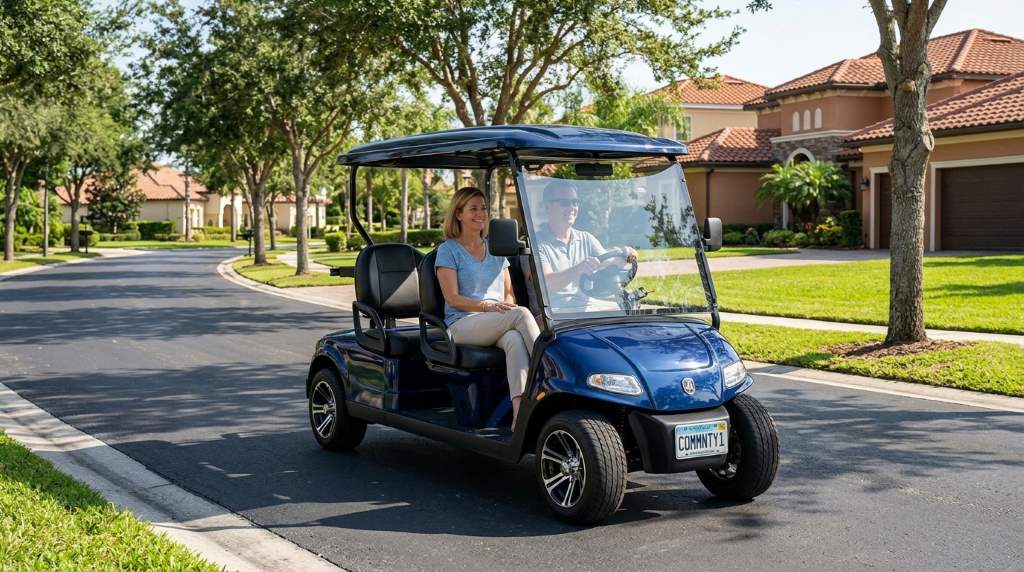
Gated communities across the U.S. are embracing street-legal golf carts for adults as a convenient mode of transport. Over 60 percent of these communities now allow their use on public roads. These vehicles offer a mix of practicality and fun for short trips. Residents value their ease of use and eco-friendly nature. For those exploring options, golf carts for adults provide a great starting point.
The demand for street-legal golf carts has grown by 20 percent in the last five years. This trend reflects their rising popularity in gated neighborhoods. Adults use them for errands, social visits, and leisurely rides. Their compact size makes parking and navigation effortless. They also reduce carbon footprints compared to traditional cars.
Understand Legal Requirements for Street-Legal Golf Carts
Each state sets its own rules for street-legal golf carts. Most require headlights, taillights, and turn signals for safety. Speed limits often cap at 25 to 35 mph for these vehicles. Some states mandate seat belts and windshields as well. Always check local laws before purchasing one.
Gated communities may have additional restrictions beyond state laws. Homeowners associations often regulate cart colors and modifications. Some require registration and insurance for on-road use. Others limit cart usage to specific hours or areas. Compliance ensures smooth and legal operation.
Key Features to Look for in Street-Legal Golf Carts
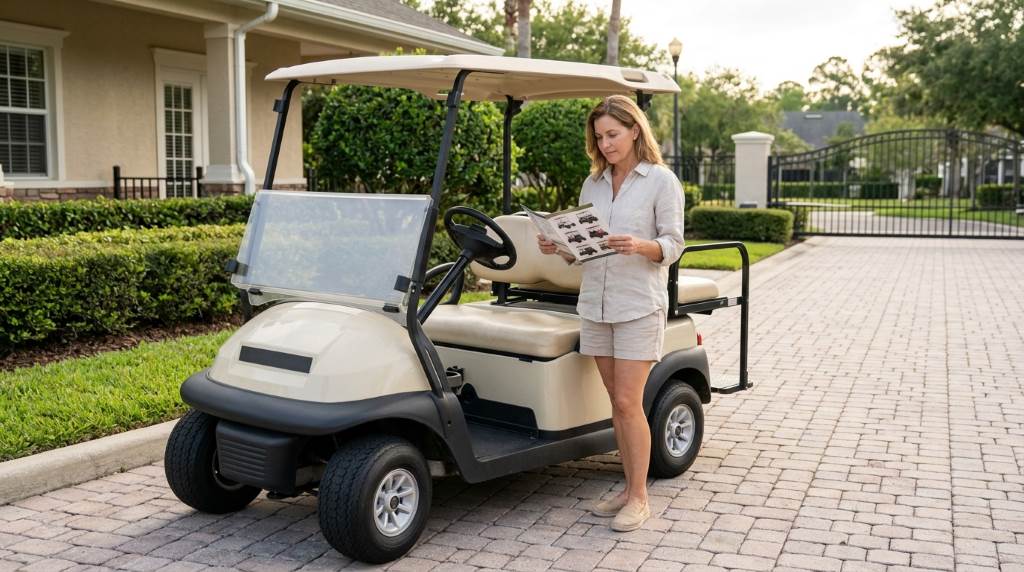
Safety features should top your list when selecting a cart. Look for models with reliable braking systems and sturdy frames. LED lights improve visibility during nighttime drives. Reflective decals can enhance visibility in low-light conditions. These elements are non-negotiable for street use.
Comfort matters for frequent use in gated communities. Choose carts with padded seats and adjustable steering columns. Canopies or roofs protect against sun and rain in humid climates. Storage compartments add convenience for carrying groceries or bags. Prioritize features that match your daily needs.
Battery and Power Options
Electric carts dominate the market due to their quiet operation and low maintenance. Lithium-ion batteries offer longer ranges and faster charging times. Gas-powered carts provide more power for hilly terrains. Hybrid models combine benefits but are less common. Consider your community’s terrain and charging infrastructure.
Battery life varies by model and usage patterns. Most electric carts run 30 to 50 miles on a full charge. Charging stations at home or community hubs are essential. Solar-powered charging options are gaining traction in sunny climates. Evaluate power needs based on your typical travel distance.
Customization and Accessories
Personalize your cart with accessories like stereos or cup holders. Custom paint jobs and decals reflect your style and community aesthetics. Weather enclosures extend usability in rain or cold. Upgraded wheels improve traction on uneven roads. These additions enhance both function and appearance.
Some communities require specific colors or branding on carts. Others allow full customization for a unique look. Always verify rules before making modifications. Aftermarket parts can void warranties if not installed properly. Balance personalization with practicality and compliance.
Top Brands and Models for Street-Legal Golf Carts
Club Car remains a leader in street-legal golf carts. Their models are known for durability and advanced safety features. EZ-GO offers a range of electric and gas options. Yamaha carts are praised for their smooth rides and reliability. These brands dominate the market for good reason.
Newer brands like Icon and Garia focus on luxury and customization. Their carts often include premium features like leather seats. Bintelli and Star EV provide budget-friendly electric options. Research each brand’s reputation and customer reviews. Test drives help determine the best fit for your needs.
Budget Considerations
Street-legal golf carts range from 5000 to 15000 dollars. Basic models start at the lower end of the spectrum. High-end carts with custom features can exceed 20000 dollars. Financing options are available through many dealers. Set a budget that includes potential upgrades and accessories.
Used carts offer savings but may require more maintenance. Certified pre-owned models provide a middle ground. Always inspect used carts for battery health and structural integrity. Warranties on new carts provide peace of mind. Compare long-term costs when deciding between new and used.
Climate-Specific Considerations for Gated Communities
Humid climates demand carts with weather-resistant materials. Rust-proof frames and sealed electrical components are essential. Canopies and windshields protect against sudden rain showers. Regular cleaning prevents mold and mildew buildup. These steps extend the life of your cart in wet conditions.
Hot climates require UV-resistant seats and canopies. Light-colored carts reflect heat better than dark ones. Battery performance can degrade in extreme heat. Parking in shaded areas preserves battery life. Consider carts with built-in cooling features for comfort.
Cold climates need carts with enclosed cabs and heaters. Winter tires improve traction on icy roads. Battery efficiency drops in low temperatures. Store carts in garages during freezing weather. These adaptations ensure year-round usability.
Safety Tips for Driving Street-Legal Golf Carts
Always wear a seat belt if your cart is equipped with one. Obey all traffic laws and speed limits in your community. Use turn signals and mirrors to communicate with other drivers. Avoid distractions like phones while driving. Safety should always come first.
Regular maintenance keeps your cart in top condition. Check brakes, tires, and lights before each use. Keep batteries charged and clean for optimal performance. Follow the manufacturer’s service schedule. Address any issues immediately to prevent accidents.
Maintenance and Upkeep
Clean your cart regularly to prevent dirt buildup. Use mild soap and water for the body and seats. Avoid high-pressure washers that can damage electrical components. Dry the cart thoroughly to prevent rust. Regular cleaning maintains its appearance and value.
Inspect the battery and charging system monthly. Tighten loose connections and clean corrosion from terminals. Replace worn-out tires and brakes as needed. Lubricate moving parts to reduce wear and tear. These tasks ensure longevity and reliability.
Community Rules and Etiquette
Respect your community’s rules regarding cart usage. Stick to designated paths and avoid private properties. Keep noise levels low to maintain a peaceful environment. Yield to pedestrians and other vehicles at all times. Good etiquette fosters harmony among residents.
Participate in community events that involve golf carts. Parades and group rides build camaraderie. Share tips and experiences with fellow cart owners. Join online forums or local clubs for support. Engaging with others enhances the ownership experience.
Unique Discussion: The Rise of Solar-Powered Golf Carts
Solar-powered golf carts are gaining attention for their eco-friendliness. These carts use solar panels to charge batteries while parked. They reduce reliance on grid electricity and lower operating costs. Some models can run entirely on solar power in sunny climates. This innovation aligns with the growing demand for sustainable transportation.
Communities in Florida and California lead the adoption of solar carts. Their abundant sunshine makes them ideal for this technology. Solar carts often come with extended warranties on panels. They also qualify for tax incentives in many areas. This trend is expected to grow as technology improves.
Challenges include higher upfront costs and limited range on cloudy days. However, advancements in solar efficiency are addressing these issues. Hybrid solar-electric models offer a practical compromise. They combine solar charging with traditional electric power. This option provides flexibility for varying weather conditions.
Solar carts also promote energy independence for communities. They reduce the carbon footprint of short-distance travel. Residents appreciate the quiet operation and low maintenance. As battery technology evolves, solar carts will become even more viable. This shift reflects a broader move toward green living.
Conclusion
Choosing the best street-legal golf cart for adults in gated communities requires careful thought. Consider legal requirements, safety features, and climate-specific needs. Explore top brands and models that fit your budget and lifestyle. Customization and accessories can enhance your experience. Always prioritize safety and compliance with community rules.
The rise of solar-powered carts highlights the future of eco-friendly transportation. These innovations offer sustainability without sacrificing performance. As technology advances, more options will become available. Stay informed about new developments in the market. Embrace the convenience and fun that golf carts bring to your daily life.
Take the first step today by researching models that suit your needs. Visit local dealers for test drives and expert advice. Join community groups to learn from experienced owners. Share your experiences to help others make informed decisions. The right golf cart can transform your transportation experience.
FAQ
Are street-legal golf carts safe for daily use?
Yes, when equipped with proper safety features and driven responsibly.
Do I need a driver’s license to operate a street-legal golf cart?
Most states require a valid driver’s license for on-road use.
How long do electric golf cart batteries last?
With proper care, electric golf cart batteries can last 4 to 6 years.
Can I customize my golf cart after purchase?
Yes, but always check community rules and warranty conditions first.
What is the average speed of a street-legal golf cart?
The average speed ranges from 20 to 25 mph, depending on the model.