Use Golf Divot Tools Correctly to Repair the Green
Golfers often overlook the importance of repairing divots properly. A poorly fixed divot can harm the turf and slow recovery. Studies show that unrepaired divots can take up to 30 days to heal. Using Golf Divot Tools correctly ensures the green stays healthy and playable for everyone.
This guide will walk you through the best practices for divot repair. You will learn how to avoid common mistakes that damage roots. Proper technique keeps the course in top condition for all players.
Why Divot Repair Matters for Course Health
Divots expose soil and roots to harsh weather conditions. Unrepaired divots can lead to weed growth and poor turf quality. A well-maintained green improves the playing experience for all golfers. It also reduces long-term maintenance costs for the course.
Root damage often occurs when divots are repaired incorrectly. Shallow or overly compacted repairs prevent grass from regrowing. Proper use of divot tools helps roots recover faster and stronger.
Understanding the Anatomy of a Divot
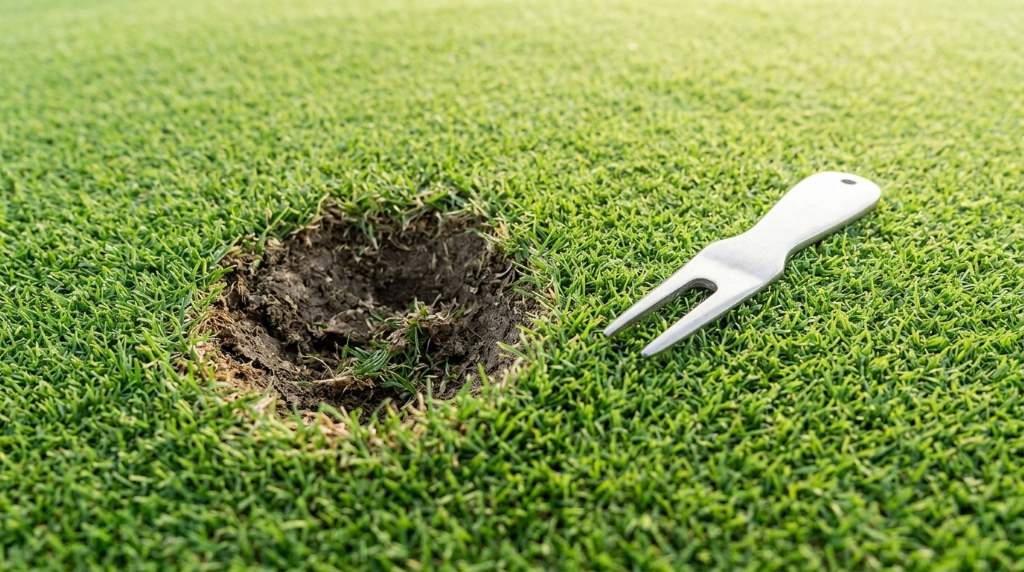
A divot consists of the removed turf and the depression left behind. The depth and size vary based on the club and swing used. The roots beneath the divot are delicate and need care during repair.
The surrounding grass can also suffer if the repair is too rough. Gentle handling ensures the area blends seamlessly with the rest of the green. This keeps the surface smooth and playable for future rounds.
Choosing the Right Golf Divot Tool
Not all divot tools are created equal. Some have sharp edges that can cut roots if used improperly. Look for tools with rounded or beveled edges for safer repairs.
Tools with a fork design are popular for lifting the turf gently. Others feature a flat edge for pressing the divot back into place. Select a tool that matches your repair style and course conditions.
Types of Divot Tools
Fork-Style Tools: These have two or three prongs to lift the turf. They work well for deep divots but require careful handling. Always insert the prongs at an angle to avoid root damage.
Flat-Edge Tools: These press the divot back into the ground. They are simpler to use but may not work for deep divots. Ensure the divot fits snugly to prevent air pockets.
Hybrid Tools: These combine fork and flat-edge features. They offer versatility for different divot types. Hybrid tools are ideal for golfers who play on varied courses.
Step-by-Step Guide to Repairing a Divot Correctly
Follow these steps to repair a divot without harming the roots. Practice on a small area first if you are new to divot repair. Consistency in technique leads to the best results.
Step 1: Locate and Inspect the Divot
Identify the divot and check its depth and size. Remove any loose debris or soil from the area. This ensures a clean surface for the repair process.
Inspect the surrounding turf for signs of stress. If the grass looks weak, take extra care during repair. Healthy turf recovers faster and blends better with repairs.
Step 2: Lift the Turf Gently
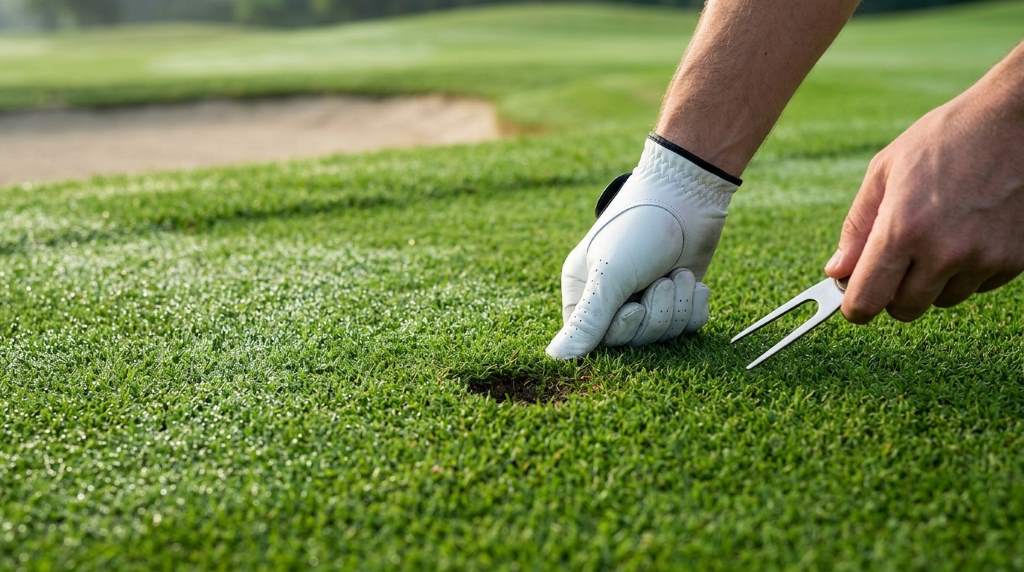
Use the fork end of your divot tool to lift the turf. Insert the prongs at a 45-degree angle to the edge of the divot. Avoid digging too deep to prevent root damage.
Lift the turf slowly and evenly to keep it intact. If the divot is deep, lift from multiple sides. This reduces the risk of tearing the grass or roots.
Step 3: Replace or Fill the Divot
If the divot piece is intact, place it back into the hole. Align it carefully to match the surrounding turf. Press down gently to secure it in place.
If the divot piece is missing, use a divot mix. Fill the hole with a sand-soil mixture provided by the course. Smooth the surface to match the surrounding green.
Step 4: Press and Smooth the Surface
Use the flat end of your tool to press the divot down. Apply even pressure to ensure good contact with the soil. This helps the roots re-establish quickly.
Smooth the surface with your foot or the tool. The repaired area should be level with the surrounding turf. A smooth surface prevents tripping hazards for other golfers.
Step 5: Water if Necessary
If the course conditions are dry, lightly water the repaired area. Moisture helps the roots recover and the turf settle. Avoid overwatering, as it can cause the divot to shift.
Check the course rules before watering. Some courses prefer that players do not water divots themselves. Always follow local guidelines to maintain consistency.
Common Mistakes to Avoid When Using Divot Tools
Many golfers make errors that harm the green during divot repair. Avoiding these mistakes keeps the course in great shape. Proper technique benefits everyone who plays.
Mistake 1: Digging Too Deep
Inserting the tool too deeply can sever roots and compact soil. Always use a shallow angle when lifting the turf. This protects the delicate root system beneath the surface.
Deep divots require extra care to repair properly. If the divot is too deep, consider using a divot mix instead. This ensures the area recovers evenly with the rest of the green.
Mistake 2: Overcompacting the Soil
Pressing too hard can compact the soil and restrict root growth. Apply firm but gentle pressure when replacing the divot. The goal is to secure the turf without suffocating the roots.
Compacted soil prevents water and nutrients from reaching the roots. This slows recovery and can lead to bare spots. Always aim for a balance between security and aeration.
Mistake 3: Ignoring the Surrounding Turf
Focusing only on the divot can damage the grass around it. Be mindful of your tool placement to avoid tearing nearby turf. Gentle movements preserve the integrity of the green.
Damaged surrounding turf can create larger bare spots. This defeats the purpose of divot repair and harms course aesthetics. Always work carefully to maintain the green’s appearance.
Best Practices for Divot Repair in Different Climates
Climate affects how quickly divots recover. Golfers in humid areas may see faster regrowth. Those in dry climates need to take extra steps to ensure recovery.
Adjust your repair technique based on the season and weather. Proper care in all conditions keeps the course playable year-round. Here are climate-specific tips for effective divot repair.
Humid Climates
Humid conditions promote faster turf recovery. Ensure the divot is securely in place to prevent shifting. Moisture helps the roots re-establish quickly in these environments.
Watch for excessive moisture that can cause the divot to sink. If the area feels spongy, add a bit of sand to improve drainage. This prevents waterlogging and root rot.
Dry Climates
Dry conditions require extra attention to moisture. Lightly water the repaired divot if the course allows it. This helps the roots stay hydrated during recovery.
Use a divot mix with a higher sand content in arid areas. Sand retains moisture better than pure soil. This gives the turf a better chance to regrow in dry weather.
Cold Climates
Cold weather slows turf growth and recovery. Repair divots carefully to avoid further stressing the grass. The roots are less active in colder temperatures.
If the ground is frozen, avoid repairing divots until it thaws. Attempting to repair frozen turf can cause more damage. Wait for conditions to improve before making repairs.
How to Maintain Your Divot Tool for Longevity
A well-maintained divot tool performs better and lasts longer. Clean your tool after each use to remove dirt and debris. This prevents rust and keeps the edges sharp.
Store your tool in a dry place to avoid corrosion. Regularly check for wear and tear. Replace the tool if the edges become dull or damaged.
Cleaning Your Divot Tool
Rinse the tool with water after each use. Use a brush to remove stubborn dirt from the prongs or edges. Dry the tool thoroughly before storing it.
Avoid using harsh chemicals for cleaning. Mild soap and water are sufficient for most divot tools. This preserves the tool’s finish and prevents damage.
Storing Your Divot Tool
Store the tool in a dry, cool place to prevent rust. Consider using a tool cover or case for added protection. This extends the life of your divot tool.
Keep the tool away from extreme temperatures. Heat can warp plastic handles, while cold can make metal brittle. Proper storage ensures the tool remains reliable.
Unique Tips for Professional-Level Divot Repair
Most golfers know the basics of divot repair. However, a few advanced techniques can improve results. These tips are rarely discussed but make a big difference.
Professional groundskeepers use these methods to keep courses in top shape. Incorporating them into your routine elevates your divot repair skills. Try these techniques for better results on the green.
Tip 1: Use a Divot Repair Mix
Many courses provide a sand-soil mix for divot repair. This blend promotes faster recovery and better root growth. Always use the mix provided by the course for best results.
If your course does not provide a mix, ask the pro shop for recommendations. A high-quality mix can improve divot recovery significantly. This is especially useful in high-traffic areas.
Tip 2: Repair Divots at an Angle
Instead of pressing the divot straight down, angle it slightly. This creates a tighter fit and reduces air pockets. It also helps the divot blend with the surrounding turf.
Angling the divot can also improve water retention. This technique is particularly effective in dry climates. Experiment with angles to find what works best for your course.
Tip 3: Tap Down the Edges
After replacing the divot, tap down the edges with your tool. This ensures the divot is secure and level with the surface. It also helps the roots make better contact with the soil.
Tapping the edges prevents the divot from lifting over time. This is a simple step that many golfers overlook. It makes a noticeable difference in repair quality.
The Role of Divot Repair in Golf Etiquette
Repairing divots is a fundamental part of golf etiquette. It shows respect for the course and other players. Proper divot repair maintains the integrity of the game.
Leaving divots unrepaired is considered poor etiquette. It can lead to uneven lies and damage to the green. Always take the time to repair your divots and any others you see.
Why Etiquette Matters
Golf is a game of honor and respect. Repairing divots is a small but important way to uphold these values. It ensures a fair and enjoyable experience for all players.
Good etiquette also reflects well on you as a golfer. It shows that you care about the course and the game. This earns respect from fellow golfers and course staff.
Encouraging Others to Repair Divots
Lead by example and repair divots whenever you see them. Politely remind others to do the same if they forget. This helps maintain the course for everyone.
Many courses have signs reminding golfers to repair divots. Pay attention to these signs and follow their guidance. It is a simple way to contribute to course maintenance.
Conclusion
Using golf divot tools correctly is essential for course maintenance. Proper technique protects the roots and promotes fast recovery. Every golfer has a role to play in keeping the green in top condition.
Follow the steps and tips outlined in this guide. Avoid common mistakes and adjust for your climate. With practice, you will become skilled at divot repair.
Remember that divot repair is about respect for the game and the course. Take pride in leaving the green better than you found it. Your efforts make a difference for all golfers.
Start repairing divots properly today. Share these tips with your fellow golfers. Together, we can keep our courses beautiful and playable for years to come.
FAQs
What is the best way to lift a divot without damaging the roots?
Use a fork-style divot tool at a 45-degree angle to lift the turf gently and evenly.
Can I use a tee to repair a divot?
A tee can work in a pinch but a divot tool is designed for better results and less root damage.
How often should I replace my divot tool?
Replace your divot tool if the edges become dull or damaged, typically every few years with regular use.
Should I water a repaired divot in dry climates?
Lightly watering a repaired divot in dry climates can help the roots recover, if allowed by course rules.
Why is divot repair important for course health?
Proper divot repair prevents weed growth, maintains turf quality, and reduces long-term maintenance costs for the course.