How to Pick the Best Golf Umbrella for Wind and Rain Protection
A sudden downpour or strong wind can ruin even the best golf round. That is why choosing the right golf umbrella matters more than most players think. According to the National Weather Service, wind gusts above 20 mph are common across many US regions during storm seasons. At the same time, studies from the NOAA show that heavy rainfall events have increased in frequency over the past decade.
Because of this, a standard golf umbrella often fails when you need it most. A golf umbrella, however, offers better coverage and stronger build quality. In this guide, you will learn exactly how to pick the best golf umbrella for wind and rain protection using practical, real world insights.
What Makes a Golf Umbrella Different
A golf umbrella stands apart because it focuses on durability and coverage. Unlike compact umbrellas, it is designed to protect both you and your gear.
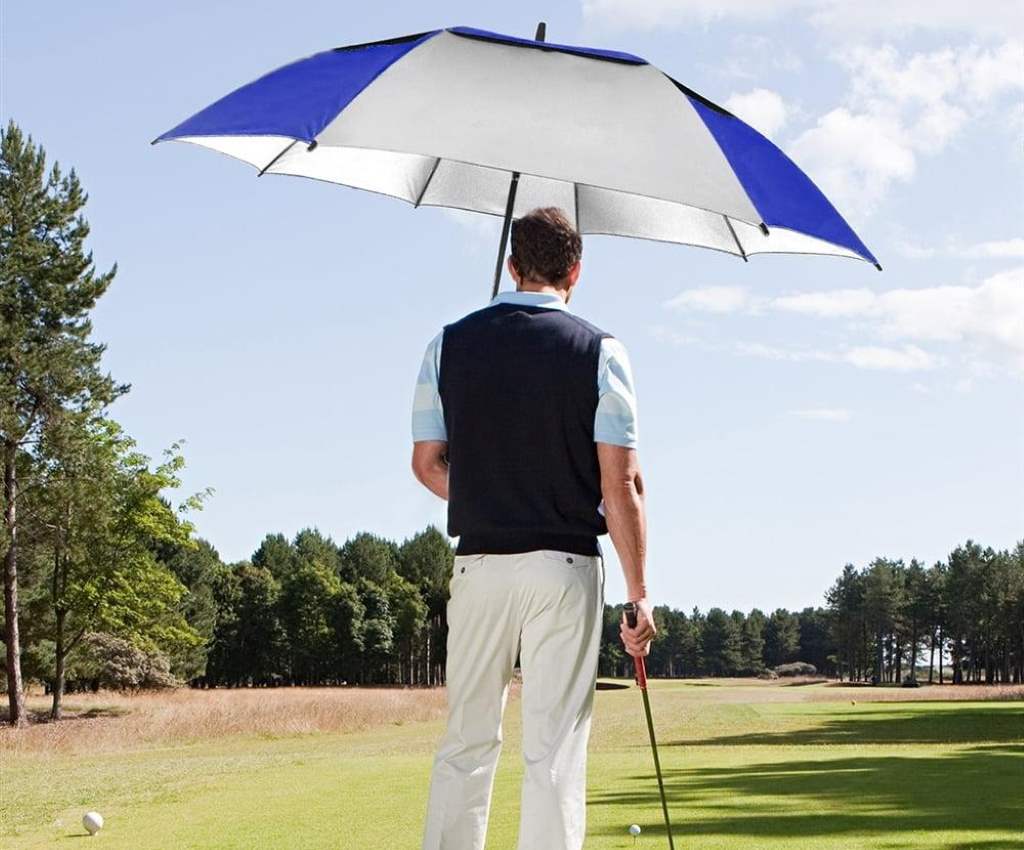
Most golf umbrellas measure between 60 and 68 inches in canopy size. That extra width protects your body, golf bag, and even a partner. In addition, manufacturers build them with stronger frames and reinforced ribs.
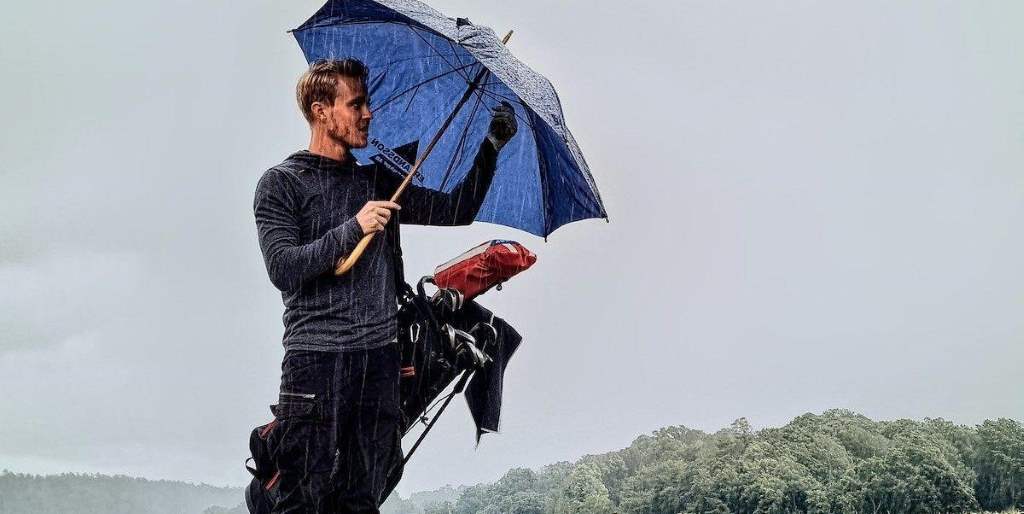
Another key difference is wind resistance. Many models include vented canopies that allow air to pass through instead of flipping the umbrella inside out. Because of this, they perform better in harsh weather compared to regular umbrellas.
Why Wind and Rain Protection Matters
Rain alone can be frustrating, but wind makes everything worse. Strong gusts can break weak umbrellas within seconds. More importantly, poor protection affects your focus and performance on the course.
When you stay dry and stable, you maintain grip, visibility, and comfort. That leads to better swings and fewer distractions. In contrast, dealing with a failing umbrella creates stress and interrupts your rhythm.
Therefore, investing in the right golf umbrella is not just about comfort. It directly impacts your game experience.
Key Features to Look for in a Golf Umbrella
Canopy Size and Coverage
Size is the first thing you should evaluate. A larger canopy gives better protection, especially during heavy rain.
Look for umbrellas with at least 62 inches of coverage. That size shields both you and your golf bag effectively. Smaller sizes may leave parts of your gear exposed.
At the same time, balance matters. An oversized umbrella can feel heavy and harder to control in wind. Choose a size that offers coverage without sacrificing handling.
Wind Resistance and Vented Design
Wind resistance is critical. A vented canopy allows air to flow through small openings. As a result, pressure does not build up underneath.
This design prevents the umbrella from flipping inside out. Many high quality models also use flexible fiberglass ribs that bend instead of breaking.
When evaluating wind resistance, check for:
- Double canopy construction
- Reinforced frame joints
- Flexible rib materials
These features work together to improve durability during storms.
Frame Material and Build Quality
The frame determines how long your umbrella will last. Cheap metal frames often rust or snap under pressure.
Instead, choose materials like fiberglass or high grade steel. Fiberglass is especially popular because it is lightweight and flexible.
A strong frame also improves stability. That means less shaking in the wind and better overall control.
Handle Comfort and Grip
Many buyers overlook the handle, yet it plays a big role in usability. A good grip helps you maintain control during wet conditions.
Look for ergonomic handles made from rubber or foam. These materials prevent slipping even when your hands are wet.
Some handles also include automatic open buttons. This feature allows quick deployment during sudden rain.
Portability and Ease of Use
While golf umbrellas are larger, they should still be easy to carry. Weight matters, especially if you walk the course.
Choose a model that feels balanced in your hand. In addition, check the opening and closing mechanism. A smooth system saves time and effort.
Although compact umbrellas are easier to pack, they often sacrifice strength. Therefore, prioritize durability over extreme portability.
Types of Golf Umbrellas
Single Canopy Umbrellas
These umbrellas feature a basic design with one layer of fabric. They are simple and lightweight.
However, they offer less wind resistance. Strong gusts can easily flip them inside out.
Double Canopy Umbrellas
Double canopy models include two layers with vents between them. This design improves airflow and stability.
Because of this, they perform much better in windy conditions. Most professionals prefer this type for reliability.
Automatic vs Manual Umbrellas
Automatic umbrellas open with the push of a button. This feature is useful during sudden weather changes.
Manual umbrellas require more effort but often have fewer mechanical parts. As a result, they may last longer with proper care.
Common Mistakes to Avoid
Many people choose an umbrella based only on size or appearance. However, that approach often leads to disappointment.
Avoid these common mistakes:
- Ignoring wind resistance features
- Choosing weak frame materials
- Picking overly heavy models
- Overlooking handle comfort
Each of these factors affects real world performance. Therefore, always evaluate the full design rather than a single feature.
Real World Example
Consider a golfer playing in Florida during summer storms. Sudden rain and strong winds are common.
A basic umbrella might fail within minutes. In contrast, a double canopy umbrella with fiberglass ribs will remain stable. That difference allows the player to continue the game without interruption.
Similarly, golfers in coastal regions face frequent gusty conditions. In these areas, wind resistant umbrellas are not optional. They are essential.
Maintenance Tips for Long Lasting Use
Dry It Properly
After use, always open the umbrella and let it dry. This prevents mold and fabric damage.
Clean the Canopy
Use mild soap and water to remove dirt. Regular cleaning keeps the material strong and effective.
Check the Frame
Inspect ribs and joints for damage. Early detection helps prevent sudden failure during use.
Store It Safely
Keep the umbrella in a dry place. Avoid leaving it in extreme heat or moisture.
Proper care extends the lifespan and ensures reliable performance.
How to Match the Umbrella to Your Needs
Not every golfer needs the same umbrella. Your choice depends on how and where you play.
If you walk the course often, choose a lightweight model. If you play in windy regions, focus on vented designs and strong frames.
For occasional players, a balanced option works best. It should offer decent durability without being too heavy.
Think about your typical weather conditions and playing style. That approach leads to a smarter purchase.
Conclusion
Choosing the best golf umbrella for wind and rain protection requires more than picking the biggest option. You need to consider size, wind resistance, materials, and comfort. Each feature plays a role in real world performance.
A well chosen umbrella keeps you dry, stable, and focused during challenging weather. That means a better experience on the course and fewer interruptions.
Take time to evaluate your needs and compare features carefully. Then choose a model that offers strength, reliability, and ease of use. Your future rounds will thank you.
FAQs
What size golf umbrella is best for full coverage
A canopy between 62 and 68 inches provides excellent coverage. It protects both you and your golf bag without being too difficult to handle.
Are vented umbrellas really better in wind
Yes, vented umbrellas allow air to pass through. This reduces pressure and prevents the umbrella from flipping inside out.
Which material is best for a golf umbrella frame
Fiberglass is one of the best options. It is lightweight, flexible, and resistant to breaking under strong wind.
Can I use a golf umbrella for everyday use
Yes, but it may feel large in crowded areas. However, it offers superior protection compared to standard umbrellas.
How do I know if an umbrella is wind resistant
Check for features like double canopy design, reinforced ribs, and flexible frame materials. These indicate better wind performance.