
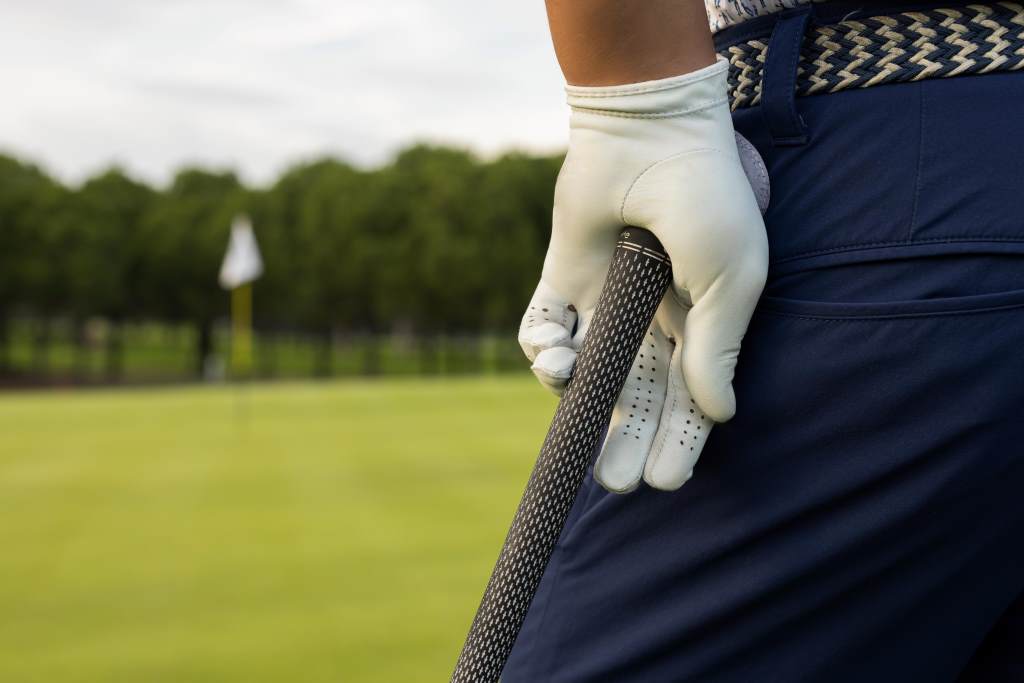
How to Choose the Best Oversize Golf Grips for Arthritis Relief and Control
Golf should feel smooth and enjoyable, not painful. Yet for many players, arthritis turns every swing into a struggle. According to the CDC, over 32.5 million adults in the United States live with osteoarthritis, and hand joints are among the most affected areas. In addition, research from the Arthritis Foundation shows that reduced grip strength is one of the biggest barriers to maintaining performance in sports like golf.
Best oversize golf grips for arthritis can make a real difference. They reduce strain, improve control, and help you swing with less discomfort. This guide explains how to choose the right ones so you can play better and feel better on the course.
What Are Oversize Golf Grips and Why They Matter
Oversize golf grips are thicker than standard grips. They increase the diameter of the club handle, which changes how your hands interact with the club. As a result, you need less finger pressure to maintain control.
This matters a lot if you deal with arthritis. Smaller grips force you to squeeze harder, which increases joint stress. On the other hand, thicker grips allow a more relaxed hold. That reduces tension in your hands, wrists, and even forearms.
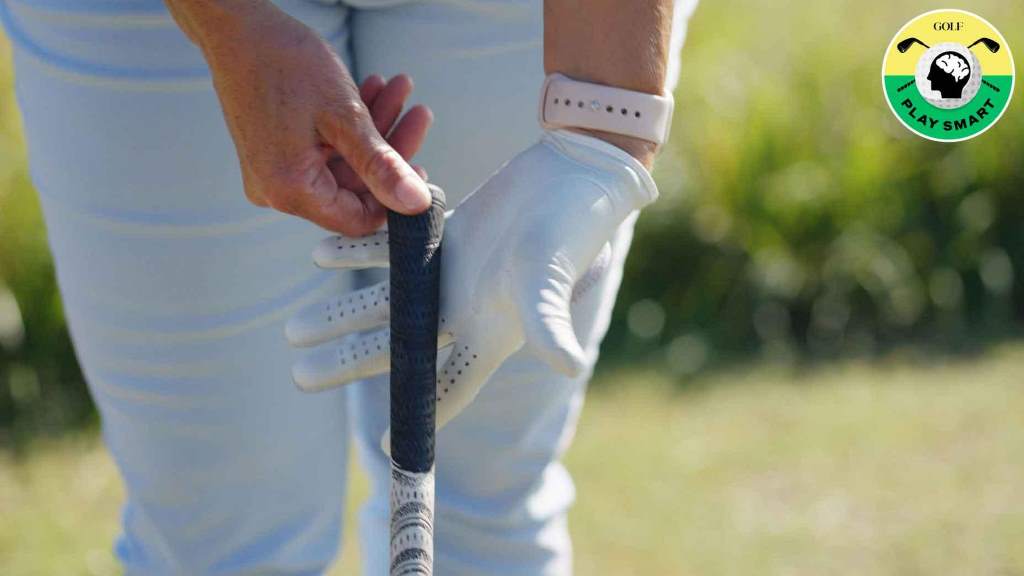
Additionally, oversize grips help stabilize your swing. They limit excessive wrist movement, which leads to more consistent shots. For golfers with joint pain, this combination of comfort and control is essential.
How Arthritis Affects Your Golf Game
Arthritis impacts flexibility, strength, and coordination. These factors directly affect your ability to grip and swing a club.
Reduced Grip Strength
Joint inflammation weakens your ability to hold the club firmly. As a result, your shots may feel unstable or inconsistent.
Pain During Swing
Every swing puts pressure on your hands. Over time, this leads to discomfort or sharp pain, especially during longer rounds.
Limited Mobility
Stiff joints reduce your range of motion. Consequently, your swing becomes shorter and less fluid.
Because of these challenges, equipment adjustments become necessary. Oversize grips are one of the simplest and most effective upgrades you can make.
Key Benefits of Oversize Golf Grips for Arthritis Relief
Less Pressure on Joints
Thicker grips reduce the need to squeeze tightly. This lowers stress on finger joints and tendons.
Improved Comfort
A larger surface area spreads pressure evenly across your hands. Therefore, you experience less localized pain.
Better Control
Oversize grips help stabilize your hands during the swing. As a result, your shots become more accurate.
Reduced Wrist Action
Less wrist movement means fewer sudden joint stresses. This is especially helpful for players with severe arthritis.
Increased Confidence
When your hands feel comfortable, your focus improves. You can concentrate on your game instead of your pain.
Types of Oversize Golf Grips
Not all oversize grips are the same. Understanding the differences helps you make a smarter choice.
Jumbo Grips
These are the largest grips available. They suit players with severe arthritis or very large hands.
Midsize Plus Grips
These fall between midsize and jumbo. They offer a balance of comfort and control.
Wrap Style Grips
These grips have a softer, cushioned feel. They are ideal for players who need extra shock absorption.
Hybrid Grips
These combine rubber and cord materials. They provide both comfort and traction.
Factors to Consider When Choosing Oversize Golf Grips
1. Grip Size and Hand Fit
The right size depends on your hand measurements. If the grip is too large, you may lose control. If it is too small, you will still feel strain.
A simple method involves measuring from your wrist crease to the tip of your middle finger. Based on this, you can select the appropriate grip size.
2. Material and Texture
Grip material affects both comfort and durability.
Common options include:
- Rubber for softness and flexibility
- Cord for extra traction
- Polymer blends for a balanced feel
Soft materials work best for arthritis relief because they absorb shock and reduce pressure.
3. Weight of the Grip
Heavier grips can change the balance of your club. While some players prefer this, others may find it harder to control.
Therefore, test different weights before making a final decision.
4. Surface Traction
A secure grip prevents slipping without requiring extra pressure. Look for textures that provide stability even in humid conditions.
5. Shock Absorption
Arthritic hands benefit from grips that absorb vibration. This reduces the impact felt during ball contact.
How to Test Oversize Golf Grips Before Buying
Trying grips before committing is always a smart move.
Visit a Golf Store or Fitting Center
Many stores allow you to test different grips. This helps you feel the difference immediately.
Simulate a Real Swing
Do not just hold the club. Take a few practice swings to evaluate comfort and control.
Check for Pressure Points
Pay attention to any discomfort in your fingers or palms. A good grip should feel natural and relaxed.
Compare Multiple Options
Testing at least three types gives you a better sense of what works best for your hands.
Installation Options and Tips
Once you choose your grips, proper installation matters.
Professional Installation
A golf shop can install grips quickly and accurately. This ensures consistent alignment and performance.
DIY Installation
If you prefer to do it yourself, you will need:
- Grip tape
- Solvent
- A vise
Follow instructions carefully to avoid misalignment.
Replacement Frequency
Grips wear out over time. Replace them at least once a year or after every 40 rounds.
Common Mistakes to Avoid
Choosing the Wrong Size
Many golfers assume bigger is always better. However, an oversized grip that is too large can reduce control.
Ignoring Material Quality
Cheap materials wear out quickly and may not provide enough comfort.
Skipping Testing
Buying without testing often leads to poor results. Always try before you commit.
Not Replacing Old Grips
Worn grips lose their effectiveness. This can bring back pain and reduce performance.
Real World Example: How Oversize Grips Improve Performance
Consider a mid level golfer with hand arthritis. Before switching grips, they struggled with inconsistent shots and frequent pain. After switching to midsize plus grips with soft material, they reported less discomfort and improved accuracy within a few rounds.
This aligns with findings from sports medicine studies, which show that ergonomic equipment can significantly reduce joint strain and improve performance.
Conclusion
Choosing the best oversize golf grips for arthritis relief and control can transform your game. The right grip reduces pain, improves stability, and boosts confidence. Focus on size, material, and comfort when making your decision. Always test different options before committing.
If you want to enjoy golf again without discomfort, upgrading your grips is a simple and effective step. Take action today and give your hands the support they deserve.
FAQs
What size oversize golf grip is best for arthritis?
Jumbo or midsize plus grips work best for most players with arthritis. The right choice depends on your hand size and comfort level.
Do oversize grips reduce pain immediately?
Many golfers feel relief right away. However, full adjustment may take a few rounds.
Can oversize grips improve accuracy?
Yes. They stabilize your hands and reduce unwanted wrist movement, which leads to more consistent shots.
Are soft grips better for arthritis?
Soft grips are usually better because they absorb shock and reduce pressure on joints.
How often should I replace my golf grips?
Replace them at least once a year or after heavy use to maintain comfort and performance.