How to Fix a Slice in Your Golf Swing: Pro Tips That Actually Work
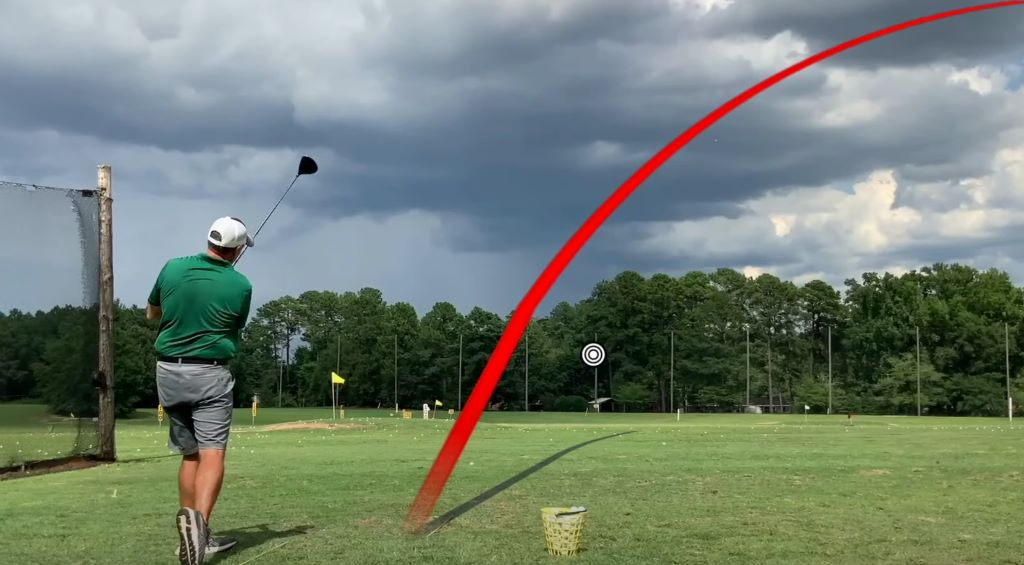
Slicing the golf ball can turn a promising round into a frustrating one. You aim down the fairway, but the ball curves sharply right (for right-handed golfers), leaving you deep in the rough or worse. According to a study by Golf Digest, nearly 70% of amateur golfers struggle with a slice. It’s the most common swing issue—but also one of the most fixable.
What Causes a Slice in Your Golf Swing?
To correct the issue, you need to understand its root cause. A slice is typically the result of:
-
An open clubface at impact
-
An outside-in swing path
-
Poor grip or setup
Each factor creates a glancing blow on the ball, producing left-to-right spin (or right-to-left for lefties). If you don’t fix these fundamentals, no amount of new clubs or practice will straighten your shot.
Fixing Your Grip: The First Step to Straight Shots
Many golfers don’t realize how much their grip influences the clubface. A weak grip (hands rotated too far to the left on the club for right-handers) often leaves the face open. This encourages slices.
Try this grip fix:
-
Rotate your left hand slightly to the right so you can see two or three knuckles.
-
Ensure your right hand sits more under the club.
This neutral to strong grip promotes a square or closed face at impact, dramatically reducing slice tendencies. PGA pros like Rickie Fowler recommend grip checks as a weekly habit to avoid falling back into poor positions.
Proper Setup: Align Your Stance with Your Intent
Poor alignment contributes to an outside-in swing path. Many players unknowingly aim left of their target, encouraging a slicing motion to compensate.
Correct your stance with these pointers:
-
Align your feet, hips, and shoulders parallel to your target line.
-
Place the ball just forward of center in your stance for drivers and fairway woods.
Use alignment sticks or clubs on the ground to practice consistently. Golf.com’s instruction editor notes that “improper alignment can turn even a perfect swing into a slicing disaster.”

Swing Path Matters: Train Your Muscles for an Inside-Out Path
A slice isn’t just about the clubface—it’s about how you deliver the club to the ball. Most slicers swing over the top, cutting across the ball with an outside-in path.
Use the “Headcover Drill” to fix this:
-
Place a headcover just outside your ball.
-
Swing so the club avoids hitting the cover, training an inside-out motion.
In time, your muscle memory adapts. Former tour pro David Leadbetter says “repetition with purpose builds a new, more effective pattern.”
Release the Club Properly Through Impact
If you hold on too tight or fail to release the club, the face stays open. A proper release squares or closes the clubface naturally, encouraging a straight or even slight draw.
Here’s how to train your release:
-
Use a short iron and hit half-swings while focusing on your forearms crossing post-impact.
-
Feel the clubhead “roll over” slightly to square up.
Dozens of top instructors use this drill with students who slice consistently. It’s simple, but the results are immediate when executed properly.
Also Read
Exploring Mission Trails Golf Course: A San Diego Gem for Golf Enthusiasts
Slow Down and Stay Balanced
A common but overlooked factor in slicing is rushing the downswing. When you lunge at the ball, your body outraces your hands. This leaves the face open at contact.
Focus on tempo and balance:
-
Take a deep breath before swinging.
-
Maintain 60% weight on your lead foot through impact.
-
Finish with your chest facing the target.
LPGA Tour coach Debbie Doniger emphasizes rhythm over force. “Power comes from control, not speed,” she explains.
Expert Tip: What’s the Quickest Way to Fix a Slice?
Fix your grip first. It’s the easiest, fastest, and most impactful adjustment. Then focus on your swing path and release drills. Record your swing to identify flaws. Use alignment tools and practice drills daily. Improvement takes time, but deliberate practice guarantees results.
Featured Snippet: How Do You Fix a Slice Fast?
Q: What is the fastest way to fix a slice in golf?
A: To fix a slice quickly, adjust your grip to a stronger position and focus on swinging from the inside-out. Most slices happen due to an open clubface and a poor swing path. Start by seeing two knuckles on your lead hand. Then practice drills like the headcover drill to train a proper path. Fixing these two areas can correct a slice in just a few practice sessions. Keep your tempo smooth and stay balanced through the shot. Many golfers see dramatic improvement within one round.
FAQs
1. Why do I slice even with a good grip?
Your swing path or release might still be faulty. A good grip alone can’t fix poor sequencing.
2. Can equipment help reduce a slice?
Yes. Drivers with adjustable weights and higher lofts can reduce sidespin and promote straighter shots.
3. Do pros ever slice the ball?
Occasionally, but usually on purpose. Most pros control their ball flight to shape shots around hazards.
4. How long does it take to fix a slice?
With focused practice, many golfers see improvement in a few sessions. Full correction can take weeks.
5. Should I take lessons to fix a slice?
Absolutely. A certified instructor can spot swing flaws that aren’t obvious to you.
6. Does slicing affect all clubs equally?
Usually, it’s worse with longer clubs like drivers. Short irons offer more control and are less prone to slicing.
7. What’s the worst thing to do when slicing?
Aiming further left. This only exaggerates the outside-in swing path and deepens the problem.
Final Thought
Fixing a slice isn’t about buying new gear—it’s about fixing fundamentals. Understand the causes: grip, swing path, and release. Implement proven drills, slow down your tempo, and commit to deliberate practice. The ball will stop peeling right, and your confidence will soar.
As Golfweek notes, the difference between a 90s golfer and an 80s golfer often comes down to eliminating the slice. Don’t accept the slice as normal. You can—and should—hit it straight.
Read More: Mastering Your Swing: How to Avoid Topping the Ball in Golf