
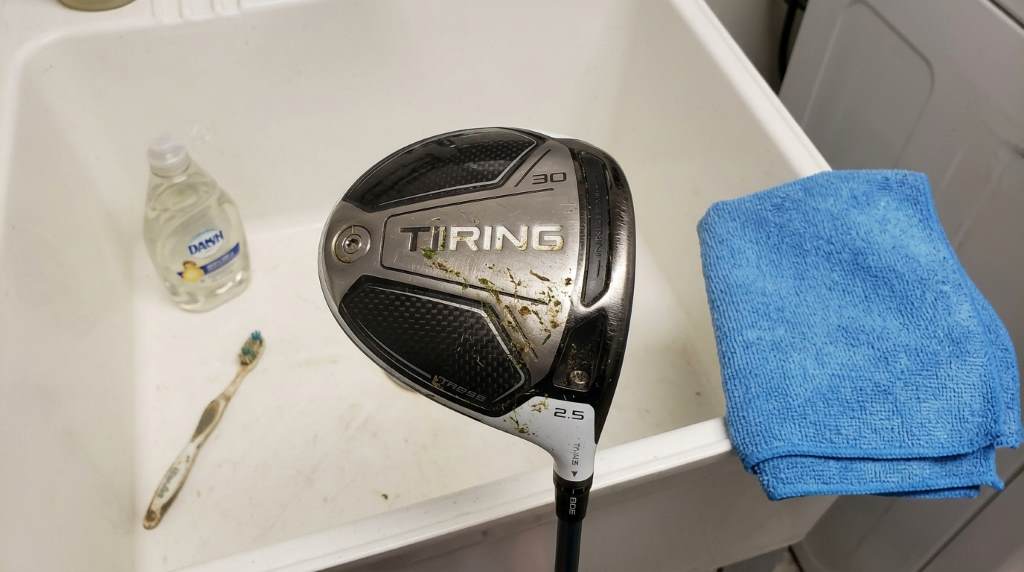
How to Clean Golf Drivers at Home
Golf clubs perform better when they stay clean and free from dirt. Studies show that dirty grooves can reduce spin and affect shot control by a noticeable margin. Many golfers also replace equipment earlier because they ignore simple maintenance habits. Learning how to clean golf drivers at home can improve performance and extend club life. If you enjoy playing with quality golf drivers, regular cleaning should become part of your routine. Fortunately, the process takes only a few minutes and requires simple household items.
Why Cleaning Your Golf Driver Matters
A golf driver collects grass, dust, sand, and moisture during every round. Over time, these materials can damage the clubface and finish.
Clean equipment also helps you inspect the club for dents or scratches. As a result, you can fix small issues before they become expensive problems.
Moreover, a clean driver gives players more confidence at address. Even minor dirt buildup can affect how the club looks and feels.
How Often Should You Clean a Golf Driver?
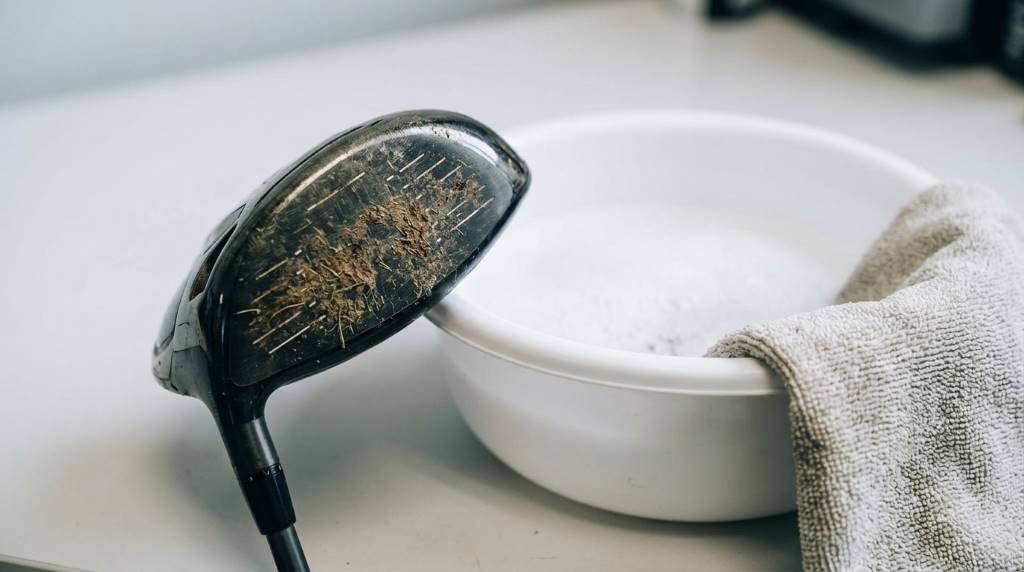
Most golfers should clean their drivers after every round. However, players who often practice on muddy courses may need more frequent care.
If you play in rainy conditions, dry and clean the club immediately. Moisture can eventually damage the shaft and grip.
Regular cleaning also prevents stubborn stains from developing. Therefore, quick maintenance saves time later.
Items You Need Before Cleaning
You do not need expensive products to clean a golf driver at home. Most supplies already sit inside your kitchen or bathroom.
- Warm water
- Mild dish soap
- Microfiber cloth
- Soft toothbrush
- Dry towel
- Cotton swabs
- Small bowl
Avoid harsh chemicals because they may damage paint or protective coatings. Likewise, skip abrasive brushes that can scratch the clubhead.
Step by Step Guide to Clean Golf Drivers at Home
Prepare a Cleaning Solution
Fill a bowl with warm water and add a few drops of mild dish soap. The solution should create light bubbles instead of heavy foam.
Hot water can weaken adhesives over time. Therefore, always use warm water only.
Wipe the Clubhead
Dip a microfiber cloth into the solution and wring out excess water. Then gently wipe the clubhead to remove surface dirt.
Pay attention to the face and sole because these areas collect most debris. Continue wiping until visible dirt disappears.
Clean Tight Areas
Use a soft toothbrush to reach small spaces around the face and weight ports. Brush gently using circular motions.
A cotton swab also works well for narrow corners. This method removes hidden dirt without scratching the finish.
Rinse Carefully
Never place the entire driver under running water. Instead, use a damp cloth to remove soap residue.
Excess moisture may seep into sensitive areas. Consequently, controlled cleaning remains the safer option.
Dry the Driver
Use a clean towel to dry the club completely. Afterward, let the driver air dry for several minutes.
Do not return a damp club to your golf bag. Trapped moisture can create unpleasant odors and material damage.
How to Clean the Driver Shaft
The shaft deserves attention because sweat and dirt slowly build on its surface. Cleaning it regularly keeps the club looking new.
Mix a small amount of soap with warm water and wipe the shaft gently. Then dry it immediately with a soft towel.
Avoid soaking graphite shafts because too much moisture can weaken certain finishes. Gentle cleaning always works best.
How to Clean the Grip Properly
Many golfers forget about the grip even though it directly affects control. Dirt and sweat make grips slippery over time.
Use a damp cloth with mild soap and scrub the grip lightly. Then rinse with another damp cloth and dry thoroughly.
Allow the grip to air dry before storing the club. A clean grip often feels almost brand new.
Common Mistakes to Avoid
Some cleaning habits can shorten the life of your golf driver. Avoid these mistakes to protect your equipment.
- Using bleach or strong cleaners
- Soaking the club in water
- Scrubbing with steel brushes
- Storing the club while wet
- Ignoring the grip and shaft
Small mistakes can lead to cosmetic damage and expensive repairs. Therefore, always clean with care.
How to Remove Stubborn Marks
Occasionally, drivers develop grass stains or sticky residue. A microfiber cloth with slightly soapy water usually solves the problem.
If marks remain, use a soft toothbrush and apply gentle pressure. Never scrape the surface with metal objects.
Patience often produces better results than aggressive cleaning. The finish stays protected while the dirt gradually loosens.
Tips to Keep Your Driver Clean Longer
Good maintenance reduces the need for deep cleaning sessions. Simple habits can make a major difference.
- Wipe the club after every shot
- Keep a towel attached to your bag
- Store clubs in a dry place
- Use a headcover during transport
- Inspect clubs after each round
These practices help golfers across the USA preserve expensive equipment. They also make cleaning sessions much faster.
Should You Use Commercial Golf Cleaning Products?
Many products claim to restore golf clubs instantly. However, most drivers do not require specialized cleaners.
Mild soap and warm water remain effective for routine maintenance. Commercial products may help remove stubborn stains, yet they are rarely necessary.
If you decide to use one, read the label carefully. Choose products specifically designed for golf clubs.
Signs That Your Driver Needs Extra Attention
Sometimes a driver needs more than a quick wipe. Certain signs indicate deeper cleaning is necessary.
- Visible dirt around weight ports
- Sticky residue on the clubhead
- Slippery grip texture
- Dull appearance after cleaning
- Unpleasant smell inside the golf bag
Address these issues quickly because neglect can lead to permanent damage. Preventive care always costs less than replacement.
Conclusion
Learning how to clean golf drivers at home is one of the easiest ways to protect your investment. A few minutes of maintenance can improve appearance, preserve performance, and extend the life of your equipment.
Create a simple cleaning routine after every round and inspect your driver regularly. Your clubs will stay in better condition and remain ready for every game.
FAQs
Can I use dish soap to clean a golf driver?
Yes, mild dish soap and warm water safely remove dirt and residue.
How long does it take to clean a golf driver?
The entire process usually takes less than ten minutes.
Can I soak my golf driver in water?
No, soaking can damage certain components and finishes.
Should I clean my driver after every round?
Yes, regular cleaning prevents stubborn buildup and extends club life.
Can I use household cleaners on my golf driver?
No, harsh cleaners may damage paint and protective coatings.