

How To Stay Dry on the Course Using Golf Rain Gear
There’s nothing more frustrating than being in the middle of a great round of golf when the skies suddenly open up. I still remember a tournament where I was leading by a few strokes, only to watch my game fall apart as the rain soaked through my clothes and my grip slipped. That’s when I realized the importance of investing in quality golf rain gear. It’s not just about staying dry—it’s about maintaining your performance, focus, and comfort, no matter what the weather throws at you. The right rain gear can make the difference between a ruined round and a memorable comeback.
Golf rain gear is designed to keep you dry, warm, and comfortable on the course, even in the heaviest downpours. If you’re serious about playing through all conditions, understanding the essentials of golf rain gear can help you stay prepared and perform at your best. According to a survey by Golf Digest, over 80% of golfers who play in rainy conditions report that high-quality rain gear significantly improves their experience and performance on the course.
Why Golf Rain Gear Is Essential for All-Weather Play
Golf rain gear is a game-changer for any golfer who refuses to let a little weather ruin their round. Unlike regular rain jackets or ponchos, golf-specific rain gear is designed with the unique needs of golfers in mind. It’s lightweight, breathable, and allows for a full range of motion, so you can swing freely without feeling restricted. According to PGA Tour, many professional golfers rely on high-performance rain gear to stay dry and focused during tournaments, regardless of the conditions.
Additionally, golf rain gear can help you maintain your grip and club control. Wet hands and clubs can lead to slips, mishits, and frustration, but the right rain gear—including gloves and club covers—can keep your equipment and your performance in top shape. For golfers who play in varying climates, rain gear is an essential part of their toolkit, ensuring they’re always ready to tackle the course, come rain or shine.
For those who love the game, rain gear also means more time on the course. Instead of calling it quits at the first sign of drizzle, you can play through the weather and enjoy the challenge of adapting your game to the conditions. This can make you a more versatile and resilient golfer, ready to handle whatever the course—and the weather—throws your way.
Key Pieces of Golf Rain Gear to Stay Dry
To stay dry and comfortable on the course, it’s important to invest in the right pieces of golf rain gear. Here are the essentials to consider:
1. Rain Jacket
A high-quality rain jacket is the cornerstone of any golf rain gear collection. Look for a jacket that’s waterproof, breathable, and lightweight, so it doesn’t restrict your swing or weigh you down. Many golf rain jackets feature stretchable fabrics, adjustable cuffs, and sealed seams to keep water out while allowing for maximum mobility.
Additionally, consider the fit of your jacket. A more fitted design can help reduce wind resistance and keep the jacket in place, even during your swing. Look for jackets with adjustable hems, zippers, or drawstrings to customize the fit to your preferences.
2. Rain Pants
Rain pants are another essential piece of golf rain gear. They’re designed to keep your lower body dry and comfortable, even in heavy rain. Look for pants made from waterproof, breathable fabrics that allow for a full range of motion. Many golf rain pants feature elastic waistbands, adjustable cuffs, and zippered legs for easy on and off.
Additionally, consider the length of your pants. Full-length rain pants provide the most coverage, while cropped or convertible pants can be more versatile for varying weather conditions. Choose a length that suits your needs and the conditions you typically play in.
3. Rain Gloves
Wet hands can lead to a slippery grip and inconsistent shots, but rain gloves can help you maintain control of your club, even in the heaviest downpours. Look for gloves made from waterproof, breathable materials that provide a secure, non-slip grip. Many golf rain gloves feature textured palms or fingers for added traction.
Additionally, consider the fit of your gloves. A snug, comfortable fit can help you maintain dexterity and control, while a loose or ill-fitting glove can interfere with your swing. Look for gloves with adjustable closures or elastic cuffs to ensure a secure fit.
4. Waterproof Hat or Cap
A waterproof hat or cap can help keep your head dry and your vision clear, even in rainy conditions. Look for hats made from waterproof or water-resistant materials, with a wide brim or visor to shield your face from the rain. Many golf rain hats also feature adjustable straps or closures to ensure a secure, comfortable fit.
Additionally, consider the style of your hat. A classic baseball cap can provide a sporty, casual look, while a wide-brimmed hat can offer more coverage and protection. Choose a style that suits your personal preferences and the conditions you typically play in.
5. Waterproof Golf Shoes
Wet feet can lead to discomfort, blisters, and even injuries, but waterproof golf shoes can help you stay dry and comfortable on the course. Look for shoes made from waterproof materials, with sealed seams and water-resistant soles to keep your feet dry and protected. Many golf rain shoes also feature spikes or traction patterns for added stability on wet or slippery terrain.
Additionally, consider the fit and support of your shoes. A well-fitting, supportive shoe can help you maintain your balance and stability, even in wet or uneven conditions. Look for shoes with cushioned insoles, arch support, and a secure closure system to ensure a comfortable, stable fit.
How to Choose the Right Golf Rain Gear for Your Needs
Choosing the right golf rain gear involves considering several key factors to ensure you stay dry, comfortable, and focused on the course. Here’s what to keep in mind:
1. Waterproof vs. Water-Resistant
When it comes to golf rain gear, waterproof and water-resistant are not the same. Waterproof gear is designed to keep you completely dry, even in heavy rain, while water-resistant gear can repel light rain but may not hold up in a downpour. For serious golfers who play in all conditions, waterproof gear is a must.
Additionally, consider the seams and zippers of your rain gear. Look for sealed seams and waterproof zippers to prevent water from seeping in through the stitching or closures. This can help ensure your gear performs at its best, even in the heaviest rain.
2. Breathability
Breathability is a key factor to consider when choosing golf rain gear. Look for gear made from breathable fabrics that allow air to circulate and prevent you from feeling clammy or uncomfortable. Many high-performance rain gear options feature moisture-wicking technologies that help regulate your body temperature and keep you dry from the inside out.
Additionally, consider the ventilation of your rain gear. Look for jackets and pants with mesh linings, ventilation zippers, or other features that enhance airflow and prevent overheating. This can help you stay comfortable and focused, even during high-intensity play.
3. Mobility and Fit
The fit and mobility of your golf rain gear can impact your performance on the course. Look for gear that allows for a full range of motion, so you can swing freely without feeling restricted. Stretchable fabrics, articulated sleeves, and ergonomic seams can all enhance mobility and comfort.
Additionally, consider the fit of your rain gear. A more fitted design can help reduce wind resistance and keep the gear in place, even during your swing. Look for adjustable features, such as cuffs, hems, or waistbands, to customize the fit to your preferences.
4. Durability
Durability is an important consideration when choosing golf rain gear. Look for gear made from high-quality, durable materials that can withstand the rigors of the course and the elements. Reinforced stitching, abrasion-resistant fabrics, and high-quality zippers can all extend the life of your rain gear.
Additionally, consider the care and maintenance of your gear. Some fabrics may require special cleaning or care to prevent damage or deterioration over time. Follow the manufacturer’s instructions for cleaning and storing your rain gear to ensure it stays in good condition.
5. Visibility and Style
While functionality is the most important factor, visibility and style can also play a role in your choice of golf rain gear. Look for gear with reflective accents or bright colors to improve your visibility on the course, especially in low-light or foggy conditions. This can help you stay safe and seen by other golfers or carts.
Additionally, consider the style of your rain gear. Choose colors, patterns, and designs that reflect your personal taste and complement your on-course look. Whether you prefer a classic, understated look or something more bold and modern, there’s rain gear out there to suit your style.
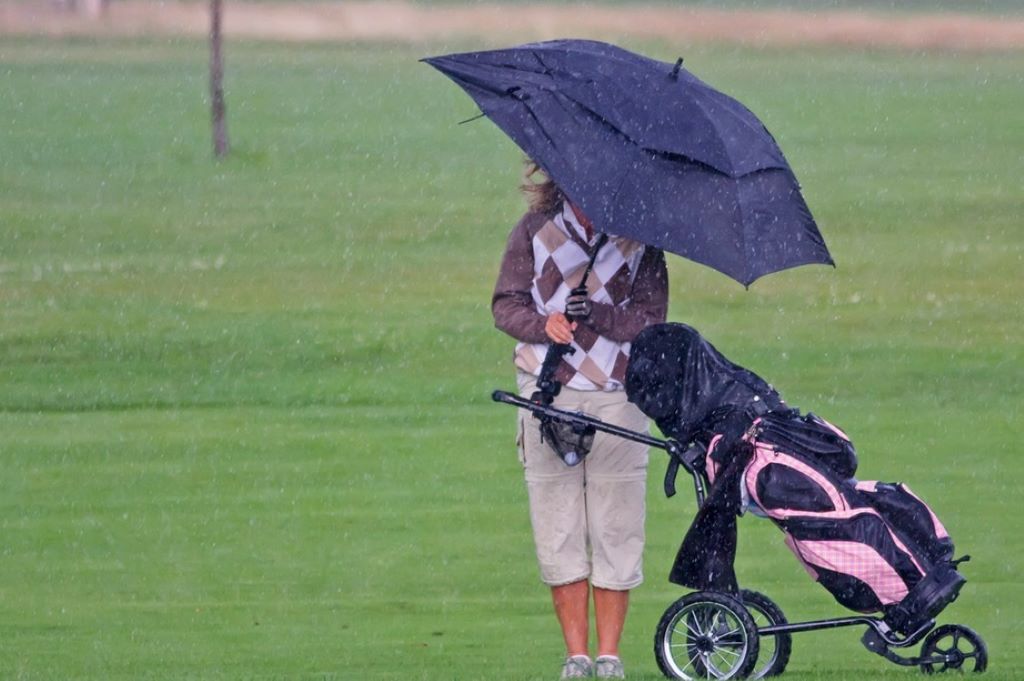
How to Layer Golf Rain Gear for Maximum Protection
Layering your golf rain gear effectively can help you stay dry, comfortable, and adaptable to changing weather conditions. Here’s how to do it:
1. Base Layer
Start with a moisture-wicking base layer to keep sweat and moisture away from your skin. Look for fabrics like merino wool or synthetic materials that dry quickly and regulate your body temperature. This can help you stay comfortable and dry, even during high-intensity play.
Additionally, consider the fit of your base layer. A snug, form-fitting design can help trap heat and wick moisture away from your skin, while a looser fit can allow for greater airflow and breathability.
2. Mid Layer
Add a mid layer for insulation and warmth. This could be a fleece jacket, a sweater, or a lightweight puffer vest. The mid layer helps trap heat and keep you warm, even in cold or windy conditions. Choose a layer that’s breathable and allows for a full range of motion.
Additionally, consider the material of your mid layer. Fleece, down, or synthetic insulation can all provide warmth and comfort, depending on your preferences and the conditions you typically play in.
3. Outer Layer
Your outer layer is your first line of defense against the rain. This is where your waterproof rain jacket and pants come into play. Look for gear made from high-quality, waterproof fabrics with sealed seams and water-resistant zippers to keep you dry and protected.
Additionally, consider the fit of your outer layer. A more fitted design can help reduce wind resistance and keep the gear in place, even during your swing. Look for adjustable features, such as cuffs, hems, or waistbands, to customize the fit to your preferences.
4. Accessories
Don’t forget about the accessories that can complete your rain gear ensemble. Waterproof gloves, a waterproof hat or cap, and waterproof golf shoes can all help you stay dry and comfortable on the course. Additionally, consider a waterproof bag or cover for your golf clubs to keep them protected from the rain.
Additionally, think about the visibility of your accessories. Reflective accents or bright colors can improve your visibility on the course, especially in low-light or foggy conditions. This can help you stay safe and seen by other golfers or carts.
5. Adjust as Needed
Weather conditions can change quickly on the course, so it’s important to be prepared to adjust your layers as needed. If the rain lets up or the temperature rises, remove a layer to stay comfortable and prevent overheating. If the weather takes a turn for the worse, add a layer for added protection and warmth.
Additionally, consider the versatility of your rain gear. Look for pieces that can be easily packed and transported, so you can adapt to changing conditions without weighing yourself down.
Common Mistakes to Avoid When Using Golf Rain Gear
Even with the best intentions, it’s easy to make mistakes when using golf rain gear. Here are some common pitfalls to avoid:
1. Choosing Non-Waterproof Gear
Not all rain gear is created equal. Avoid choosing gear that’s only water-resistant if you frequently play in heavy rain or wet conditions. Instead, opt for waterproof gear with sealed seams and water-resistant zippers to ensure you stay dry and protected.
Additionally, consider the durability of your gear. Look for high-quality materials and construction that can withstand the rigors of the course and the elements.
2. Ignoring Breathability
Breathability is a key factor to consider when choosing golf rain gear. Avoid choosing gear made from non-breathable fabrics that can trap moisture and heat, leading to discomfort and overheating. Instead, opt for breathable, moisture-wicking materials that allow air to circulate and keep you dry from the inside out.
Additionally, consider the ventilation of your gear. Look for jackets and pants with mesh linings, ventilation zippers, or other features that enhance airflow and prevent clamminess.
3. Sacrificing Mobility for Protection
While it’s important to stay dry and protected, it’s also crucial to maintain your mobility on the course. Avoid choosing rain gear that restricts your range of motion or interferes with your swing. Instead, opt for gear with stretchable fabrics, articulated sleeves, or ergonomic seams that enhance mobility and comfort.
Additionally, consider the fit of your gear. A more fitted design can help reduce wind resistance and keep the gear in place, even during your swing. Look for adjustable features, such as cuffs, hems, or waistbands, to customize the fit to your preferences.
4. Forgetting About Accessories
Accessories can make all the difference in your rain gear ensemble. Avoid forgetting about essentials like waterproof gloves, a waterproof hat or cap, and waterproof golf shoes. These can help you stay dry, comfortable, and focused on your game, even in the heaviest rain.
Additionally, consider the visibility of your accessories. Reflective accents or bright colors can improve your visibility on the course, especially in low-light or foggy conditions. This can help you stay safe and seen by other golfers or carts.
5. Not Testing Your Gear Beforehand
Always test your golf rain gear before hitting the course to make sure it performs as expected. This includes checking the fit, mobility, and waterproofness of your gear, as well as the functionality of any additional features, such as zippers, cuffs, or hoods. Additionally, make sure to test your gear in the conditions you typically play in to ensure it meets your needs.
Additionally, consider doing a trial run with your rain gear during a practice round or at the driving range. This can help you get comfortable with the gear and make any necessary adjustments before your next big round.
Tips for Maintaining and Caring for Your Golf Rain Gear
To keep your golf rain gear looking and performing its best, follow these tips for maintenance and care:
1. Clean It Regularly
Regular cleaning can help extend the life of your golf rain gear and keep it looking its best. Dirt, sweat, and other debris can accumulate over time, leading to odors, stains, or damage. Clean your gear regularly to remove any buildup and keep it fresh and functional.
Additionally, consider the type of cleaner you use. Mild detergents and fabric softeners are typically safe for most fabrics, but harsh chemicals or bleach can damage the material or cause discoloration. Always follow the manufacturer’s instructions for cleaning your gear.
2. Store It Properly
When not in use, store your golf rain gear in a cool, dry place away from direct sunlight or extreme temperatures. Avoid hanging it on a hanger, as this can cause the fabric to stretch or lose its shape. Instead, fold it neatly and store it in a drawer, on a shelf, or in a breathable garment bag.
Additionally, consider using a storage container or bin to protect your gear from dust, moisture, or other damage. This can help extend its lifespan and keep it ready for your next round.
3. Reapply Waterproofing Treatment
Over time, the waterproofing treatment on your golf rain gear may wear off, reducing its effectiveness. To restore its waterproof properties, consider reapplying a waterproofing treatment or spray. This can help extend the life of your gear and ensure it continues to perform at its best.
Additionally, follow the manufacturer’s instructions for reapplying waterproofing treatment. This may include specific recommendations for the type of treatment to use, as well as the frequency of application.
4. Avoid Excessive Wear
While it’s tempting to wear your favorite golf rain gear often, excessive wear can cause the fabric to stretch, fade, or lose its waterproof properties over time. Consider rotating your gear with other pieces to give it a break and extend its lifespan.
Additionally, avoid wearing your rain gear in extreme temperatures or humidity, as this can cause the fabric to deteriorate or become damaged.
5. Repair It as Needed
If your golf rain gear becomes damaged, such as a torn seam, a broken zipper, or a leak, take it to a professional for repairs. This can help restore its appearance and functionality, ensuring it lasts for years to come.
Additionally, consider having your gear professionally cleaned and inspected on a regular basis. This can help extend its lifespan and keep it looking and performing its best.
The Benefits of Using Golf Rain Gear
Using golf rain gear offers a variety of benefits that make it a worthwhile investment for any golfer. Here are some of the most notable advantages:
1. Stays Dry and Comfortable
One of the primary benefits of golf rain gear is its ability to keep you dry and comfortable on the course, even in the heaviest rain. Waterproof fabrics, sealed seams, and water-resistant zippers can all help prevent water from seeping in and soaking your clothes. This can help you stay focused on your game, rather than being distracted by discomfort or wetness.
Additionally, breathable fabrics and moisture-wicking technologies can help regulate your body temperature and keep you dry from the inside out. This can be especially helpful for golfers who play in varying climates or conditions.
2. Maintains Performance
Golf rain gear can help you maintain your performance on the course, even in wet or challenging conditions. By keeping you dry and comfortable, rain gear allows you to focus on your game and make the best possible decisions for each shot. This can lead to more consistent, accurate shots and lower scores.
Additionally, rain gear can help you maintain your grip and club control. Wet hands and clubs can lead to slips, mishits, and frustration, but the right rain gear—including gloves and club covers—can keep your equipment and your performance in top shape.
3. Extends Playing Time
With golf rain gear, you can play through a wider range of weather conditions, extending your time on the course. Instead of calling it quits at the first sign of drizzle, you can embrace the challenge of adapting your game to the elements. This can make you a more versatile and resilient golfer, ready to handle whatever the course—and the weather—throws your way.
Additionally, rain gear can help you make the most of your golfing opportunities. Whether you’re playing in a tournament or a casual round with friends, rain gear ensures you’re always prepared to hit the links, no matter the forecast.
4. Enhances Visibility and Safety
Many golf rain gear options come with reflective accents or bright colors to improve your visibility on the course. This can be especially important in low-light or foggy conditions, where it’s crucial to stay seen by other golfers or carts. By enhancing your visibility, rain gear can help you stay safe and confident on the course.
Additionally, consider the style of your rain gear. Bright colors or unique patterns can add a pop of personality to your look, while classic, neutral tones can create a more understated, elegant appearance.
5. Versatility and Convenience
Golf rain gear is incredibly versatile and convenient. It can be easily packed and transported, making it a practical option for travel or last-minute weather changes. Many pieces of rain gear are also designed to be lightweight and compact, so they won’t weigh you down or take up too much space in your bag.
Additionally, rain gear can be layered in a variety of ways to suit different weather conditions and personal preferences. Whether you’re layering a rain jacket over a polo shirt or pairing rain pants with a fleece mid-layer, rain gear can adapt to your needs and keep you comfortable on the course.
Conclusion
Golf rain gear is an essential part of any golfer’s wardrobe, allowing you to stay dry, comfortable, and focused on the course, no matter what the weather brings. By choosing the right gear, layering it effectively, and avoiding common mistakes, you can play through any condition with confidence and style. Whether you’re a beginner or a seasoned pro, rain gear is a worthwhile investment that can help you make the most of your time on the course.
Remember, the best golf rain gear is the one that fits your specific needs and preferences. Take your time, explore your options, and don’t be afraid to experiment with different pieces and layering techniques. With the right approach, your rain gear can become a trusted and versatile part of your golf toolkit.
Have you found the perfect golf rain gear for your needs? Share your tips, favorite pieces, or shopping experiences in the comments below! If you found this article helpful, don’t forget to share it with your fellow golfers. Here’s to staying dry, comfortable, and focused on the course, no matter the weather!
FAQs
What are the essential pieces of golf rain gear?
The essential pieces of golf rain gear include a rain jacket, rain pants, rain gloves, a waterproof hat or cap, and waterproof golf shoes. These pieces can help you stay dry, comfortable, and focused on the course, even in the heaviest rain.
How do I choose the right golf rain gear for my needs?
Consider factors like waterproof vs. water-resistant, breathability, mobility and fit, durability, and visibility and style when choosing golf rain gear. Think about the weather conditions you typically play in and your personal preferences to find the best gear for you.
Can I wear regular rain gear for golf?
While regular rain gear can provide some protection from the rain, it may not be as well-suited for the unique needs of golfers. Golf rain gear is designed to be lightweight, breathable, and allow for a full range of motion, so you can swing freely without feeling restricted. Additionally, golf rain gear often features golf-specific details, such as club-friendly pockets or non-slip grips.
How do I layer golf rain gear for maximum protection?
Start with a moisture-wicking base layer, add a mid layer for insulation and warmth, and top it off with a waterproof outer layer, such as a rain jacket and pants. Don’t forget about accessories like waterproof gloves, a waterproof hat or cap, and waterproof golf shoes. Adjust your layers as needed to adapt to changing weather conditions.
How do I maintain and care for my golf rain gear?
Clean your gear regularly with mild detergents and fabric softeners, and store it properly in a cool, dry place away from direct sunlight or extreme temperatures. Reapply waterproofing treatment as needed, avoid excessive wear, and repair it as needed to extend its lifespan.